
Blog
Best 28 Inch Solid Wood Cutting Board: A Buyer’s Guide
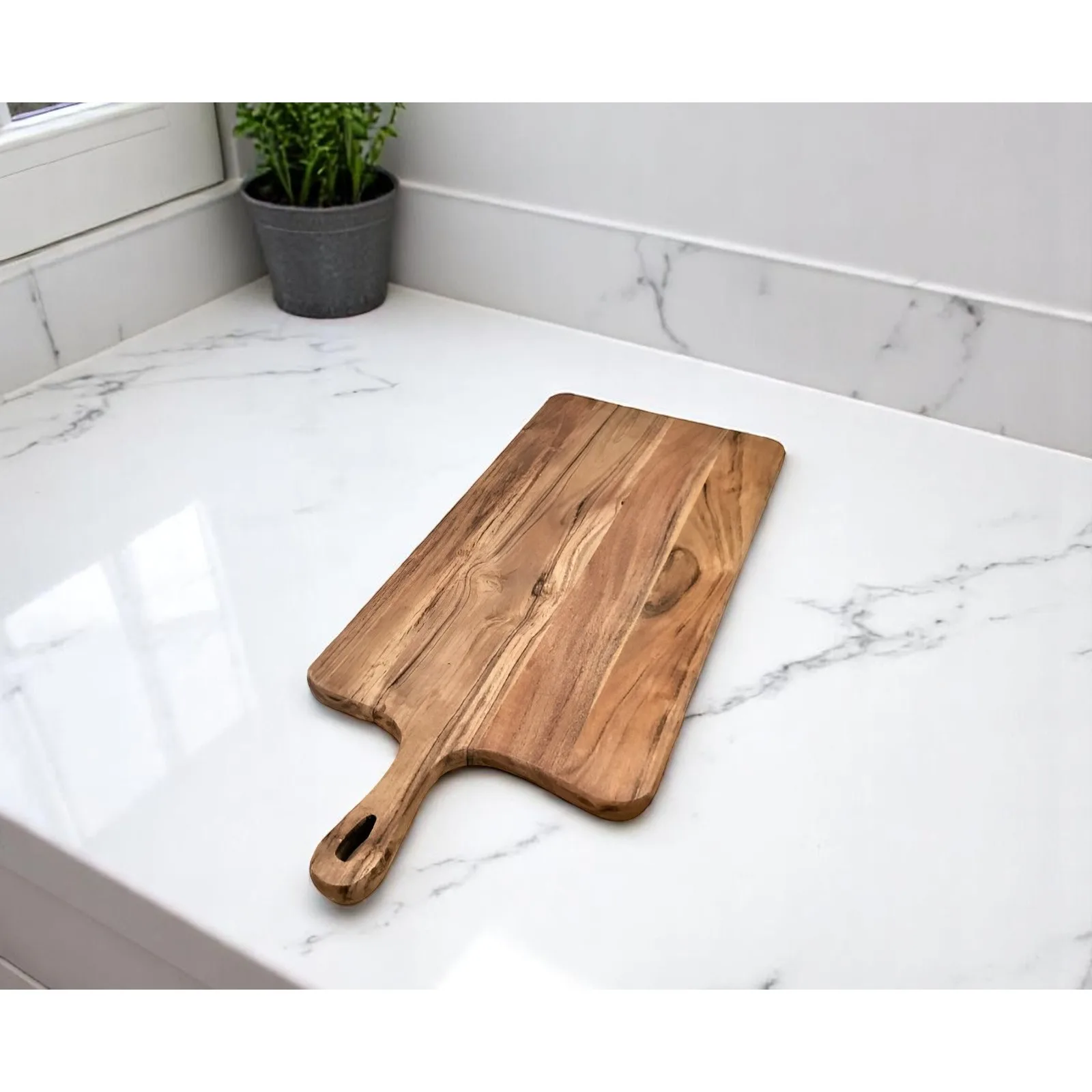
If you’re looking for a best 28 inch solid wood cutting board, you already know that size matters. Whether you’re prepping a Sunday roast or chopping vegetables for the week, a board this large gives you the space to work comfortably. But not all boards are created equal, and picking the right one means understanding wood types, construction, and how you’ll use it. Let’s cut through the noise.
Why 28 Inches? The Sweet Spot for Serious Cooks
A 28-inch cutting board is generous without being overwhelming. It fits standard countertops, bridges sinks, and gives you room to separate raw proteins from produce. For bakers, it’s a rolling surface for dough; for entertainers, a cheese board. The length accommodates large roasts or multiple ingredients without crowding.
Wood Species: Hard Maple, Walnut, Cherry, or Teak?
The wood determines durability, knife-friendliness, and appearance. Hard maple is the gold standard: dense, closed-grain, and resistant to absorbing liquids. It’s light-colored, which shows stains but also lets you see dirt. Walnut is softer, darker, and naturally antimicrobial—great for presentation. Cherry offers a warm reddish tone but dents easier. Teak is oily and water-resistant, ideal for outdoor use but can dull knives faster. For a 28-inch board, choose a wood that balances hardness with knife care.
End Grain vs. Edge Grain: What’s the Difference?
End grain boards (like butcher block) have the wood fibers facing up, which self-heals after cuts and is gentler on knives. They’re pricier and heavier. Edge grain boards are more common, with fibers running parallel to the surface. They’re stable, less expensive, and still knife-friendly. For a 28-inch board, edge grain is practical for weight and cost, but end grain offers premium performance.
Thickness and Weight: Don’t Skimp on Sturdiness
A 28-inch board needs at least 1.5 inches of thickness to resist warping. Thinner boards may bow over time, especially if you wash them. Expect a board this size to weigh 10–15 pounds; that’s a good sign. Heavier boards stay put on the counter without a non-slip mat.
Construction: Solid Wood vs. Glued Strips
Look for a single slab or carefully matched strips. Avoid boards made from finger-jointed or particle wood. The glue used should be food-safe and waterproof. A board like our 28″ Rectangle Solid Wood Cutting Board Utensils for Kitchen Use is crafted from solid hardwood strips, designed to last.
Juice Grooves and Handles: Nice or Necessary?
A juice groove around the perimeter catches runoff from meat or fruit. On a 28-inch board, a groove is helpful but not essential—you can place a towel underneath. Handles are more important: cutouts or side grips make lifting and storing easier. Without handles, a 28-inch board can be awkward to move.
Care and Maintenance: Oil, Don’t Soak
Never put a solid wood board in the dishwasher. Wash with mild soap and warm water, dry immediately, and stand it on edge to air dry. Apply mineral oil or board conditioner monthly to prevent cracking. With proper care, a quality 28-inch board can last decades.
Budget: What Should You Expect to Pay?
Prices range from $50 for basic edge grain to $200+ for thick end grain. A well-made 28-inch board is an investment. Cheaper boards may warp or split. Pay for quality wood and construction, and skip unnecessary frills like built-in compartments that trap crumbs.
28″ Rectangle Solid Wood Cutting Board Utensils for Kitchen Use
If you want a 28-inch board that balances durability, size, and everyday usability, the 28″ Rectangle Solid Wood Cutting Board Utensils for Kitchen Use is a solid choice worth considering.
Frequently asked questions
Is a 28-inch cutting board too big for a standard kitchen counter?
Most countertops are 24-25 inches deep, so a 28-inch board will overhang slightly. This is fine for stability, but ensure it doesn’t interfere with appliances or the sink. Measure your space first.
How do I prevent my 28-inch board from warping?
Buy a board at least 1.5 inches thick. Never soak it in water. Dry it upright after washing. Oil it regularly to maintain moisture balance. Store it flat or on its edge, not leaning against a wall.
Can I use a 28-inch solid wood board for meat and vegetables?
Yes, but use separate sides or wash thoroughly between uses to avoid cross-contamination. Wood has natural antimicrobial properties, but it’s still porous. For raw meat, consider a dedicated board or use a plastic overlay.
What’s the best oil for a solid wood cutting board?
Use food-grade mineral oil, which is odorless and won’t go rancid. Avoid vegetable or olive oils as they can spoil. Apply a thick coat, let it absorb overnight, then wipe off excess. Repeat monthly.
Free worldwide shipping · 30-day returns · here to help, 7 days a week.
