
Blog
The Best Stainless Steel Cooking Spoon for Every Kitchen
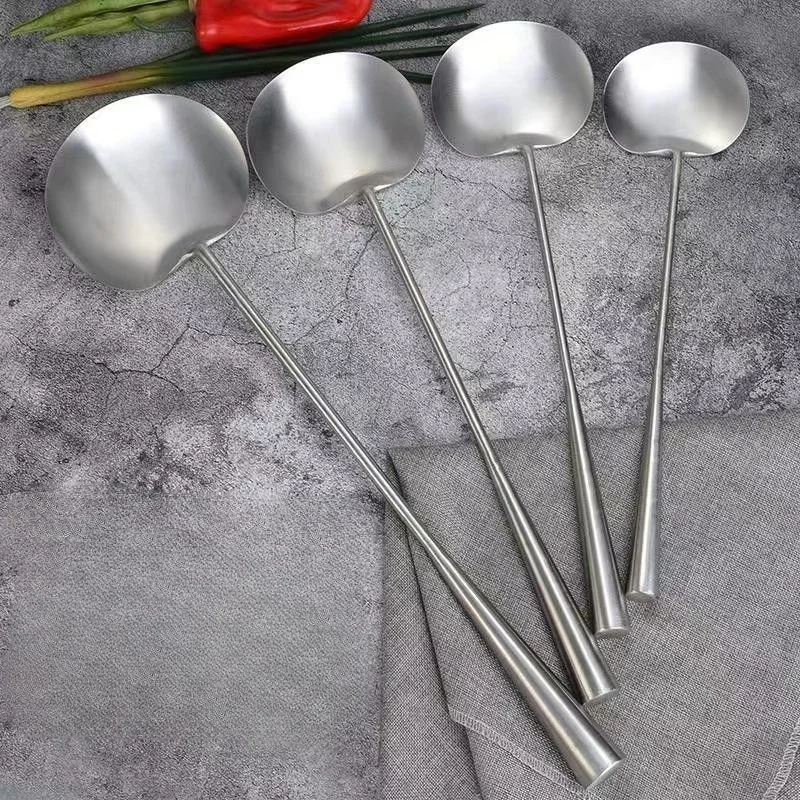
Kitchen Essentials
Choose the Right Stainless Steel Cooking Spoon
A stainless steel cooking spoon is one of those kitchen tools you reach for daily—whether you’re stirring a hearty stew or flipping sautéed vegetables. Choosing the right one can make cooking more efficient and enjoyable.
Why a stainless steel cooking spoon deserves a spot in your drawer
Unlike plastic or wooden spoons, a stainless steel cooking spoon won’t warp, absorb odors, or leach chemicals into your food. It’s heat-resistant, dishwasher-safe, and built to last for years. Professional chefs often prefer stainless steel for its reliability and neutral flavor profile—it won’t react with acidic ingredients like tomatoes or citrus.
Key features to look for in a stainless steel cooking spoon
Material and gauge
Not all stainless steel is created equal. Look for 18/10 stainless steel (18% chromium, 10% nickel) for the best corrosion resistance and shine. Thicker gauge spoons (around 2-3 mm) feel sturdier and won’t bend when scraping a pan.
Handle design and length
A long handle (around 12-14 inches) keeps your hands away from hot splatters. Ergonomic handles with a slight curve or textured grip reduce hand fatigue during long cooking sessions. Some spoons have a hole in the handle for hanging storage.
Head shape and edge
The head should be slightly rounded to fit the curve of pots and pans. A flat edge is useful for deglazing and scraping up browned bits. Some spoons feature a slotted design for draining liquids—consider your cooking style.
How to choose the right size and weight
For everyday use, a spoon with a head about 3 inches wide and a handle around 12 inches long is versatile. Heavier spoons (around 100-150 grams) feel more substantial but can be tiring for long stirring. Lighter spoons (under 100 grams) are easier to maneuver but may flex under pressure.
Stainless steel vs. other materials: a quick comparison
- Wooden spoons: gentle on non-stick surfaces but can harbor bacteria and absorb flavors.
- Silicone spoons: heat-resistant but less effective for scraping and browning.
- Plastic spoons: cheap but prone to melting and staining.
- Stainless steel: durable, non-porous, and oven-safe (if handle is all-metal).
For most home cooks, a stainless steel cooking spoon offers the best balance of performance and longevity. Learn more about stainless steel properties on Wikipedia.
Caring for your stainless steel cooking spoon
Stainless steel is low-maintenance. Wash with warm soapy water or place in the dishwasher. Avoid using abrasive cleaners that can scratch the surface. To remove discoloration from high heat, soak in a solution of vinegar and baking soda. Dry immediately to prevent water spots.
Common mistakes to avoid
Don’t use your stainless steel spoon on non-stick pans—it can scratch the coating. Also, avoid leaving it in a hot pot for extended periods; the handle can get hot. Store it in a utensil holder or drawer with other metal tools.
Our top recommendation for everyday cooking
After testing dozens of options, we consistently reach for the Stainless Steel Cooking Spoon, Food Grade Soup Spoons, Chef Household Tableware, Long Handle Kitchen Utensils, Stir-Fry from Goldoma. It’s the right weight, length, and shape for almost any task—from stirring risotto to serving stew.
Stainless Steel Cooking Spoon, Food Grade Soup Spoons, Chef Household Tableware, Long Handle Kitchen Utensils, Stir-Fry
For a reliable everyday tool, the Goldoma Stainless Steel Cooking Spoon combines food-grade construction with a balanced handle for comfortable stirring.
Frequently asked questions
Is a stainless steel cooking spoon safe for non-stick pans?
Stainless steel can scratch non-stick coatings. For non-stick pans, use wooden, silicone, or plastic utensils instead.
Can I use a stainless steel cooking spoon in a cast iron skillet?
Yes, stainless steel is safe for cast iron. It won’t damage the seasoning if used gently, but avoid scraping aggressively.
What does 18/10 stainless steel mean?
18/10 refers to 18% chromium and 10% nickel, offering good corrosion resistance and a shiny finish. It’s food-grade and durable.
How do I remove stubborn stains from my stainless steel spoon?
Soak in a mix of equal parts vinegar and water for 15 minutes, then scrub with a non-abrasive pad. Baking soda paste also works.
