
Blog
Best Oil Strainer Guide: Find Your Perfect Kitchen Sieve
Buying Guide
Find the Best Oil Strainer for Your Kitchen
Finding the best oil strainer can transform your cooking, saving oil and reducing waste. Whether you’re deep-frying or sautéing, a quality sieve makes all the difference.
Why You Need a Good Oil Strainer
Straining oil after frying isn’t just about cleanliness—it’s about flavor and economy. Leftover food particles burn and turn bitter, ruining your next batch. A good oil strainer catches every crumb, keeping your oil fresh for multiple uses. Plus, it saves money and reduces waste.
Key Features to Look For
Not all strainers are created equal. Here’s what matters:
- Material: Stainless steel is durable, rust-resistant, and easy to clean. Avoid plastic that can warp or absorb odors.
- Mesh Fineness: Fine mesh catches tiny particles but may clog; medium mesh is a good balance for most oils.
- Handle: A long, heat-resistant handle keeps your hands safe from hot oil splashes.
- Size: Consider the volume you typically fry. A 4-5 inch diameter works for small batches; larger pots need bigger strainers.
Types of Oil Strainers
Fine Mesh Strainers
These excel at catching the tiniest bits, ideal for delicate oils like olive or avocado. They’re slower but thorough. Look for a tight weave that won’t stretch.
Double Mesh Strainers
Two layers of mesh provide extra filtration, great for heavily used oil. They remove both large and fine particles, though they require more effort to clean.
Skimmers vs. Cone Strainers
Skimmers are wide and shallow, perfect for lifting food out of hot oil. Cone strainers fit over jars and are excellent for pouring. Choose based on your typical use: skimmers for frying, cones for storing.
How to Choose the Right Size
Match the strainer to your pot or container. A strainer that’s too small means multiple pours; too large and it won’t sit securely. For most home cooks, a 4-6 inch diameter is versatile. If you often fry large batches, go for 7-8 inches.
Maintenance Tips for Longevity
Clean your strainer immediately after use—dried oil is a pain. Use hot water, a mild detergent, and a soft brush. Avoid abrasive scrubbers that damage the mesh. Dry thoroughly to prevent rust. Occasionally, soak in vinegar to remove stubborn residue.
Top Recommended Oil Strainers
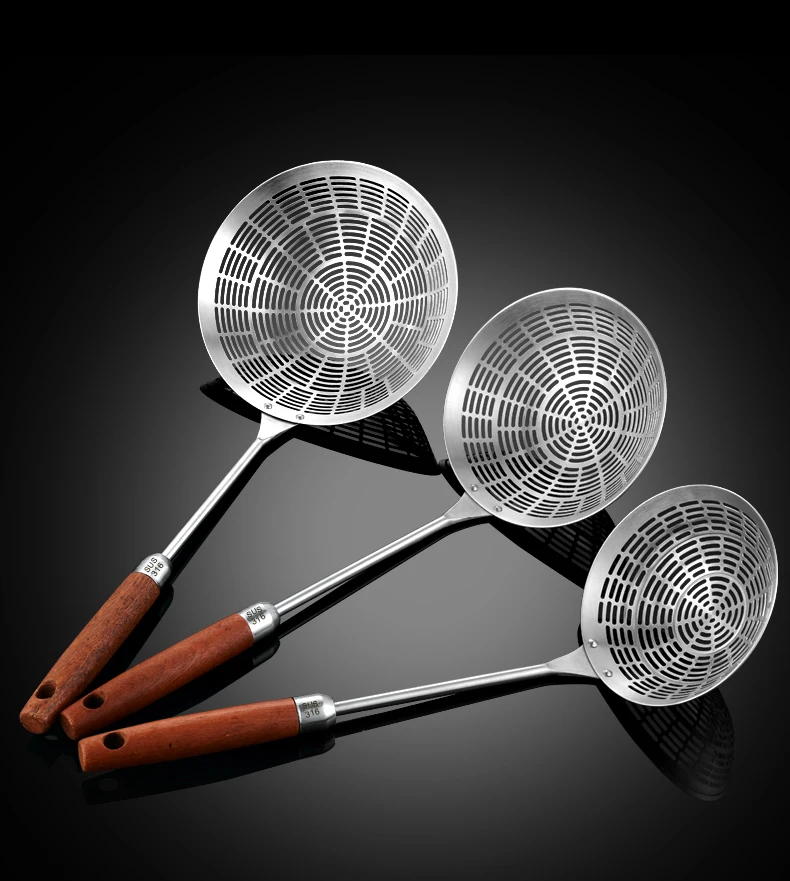
We’ve tested dozens, and one stands out: the 3 Sizes Round Stainless Steel Strainer with Long Handle Kitchen Sieves Scoop Hot Pot Oil Filter Colander Cooking Tools. Its triple-size set covers all needs, with fine mesh and a comfortable handle. For a reliable all-rounder, this is it.
Other solid options include classic fine mesh strainers from trusted kitchen brands. Always check customer reviews for real-world feedback on durability and ease of use.
Final Thoughts
Investing in a quality oil strainer pays off in better-tasting food and longer-lasting oil. Focus on material, mesh, and size that fit your cooking style. With the right tool, you’ll strain like a pro.
3 Sizes Round Stainless Steel Strainer with Long Handle Kitchen Sieves Scoop Hot Pot Oil Filter Colander Cooking Tools
For a versatile and durable option, consider the 3 Sizes Round Stainless Steel Strainer with Long Handle—it covers all your straining needs without breaking the bank.
Frequently asked questions
Can I use a regular colander as an oil strainer?
Colanders have large holes that let food particles through, so they’re not ideal for straining oil. A fine mesh strainer is better for catching small bits.
How do I clean a clogged oil strainer?
Soak it in hot, soapy water for 10 minutes, then scrub gently with a soft brush. For stubborn residue, use a baking soda paste or vinegar solution.
Is stainless steel better than plastic for oil strainers?
Yes, stainless steel is more durable, heat-resistant, and won’t absorb odors. Plastic can warp or melt with hot oil.
What size oil strainer do I need for deep frying?
For deep frying, a 6-8 inch diameter strainer works well. It fits over most pots and allows for easy pouring.
