
Blog
Stainless Steel Kitchen Utensils: A Complete Buying Guide
Kitchen Essentials
Your Guide to Stainless Steel Kitchen Utensils
Stainless steel kitchen utensils are a cornerstone of any well-equipped kitchen, offering unmatched durability and timeless style. Whether you’re a home cook or a professional chef, choosing the right tools can elevate your cooking experience.
Why Choose Stainless Steel Kitchen Utensils?
Stainless steel kitchen utensils are prized for their strength, corrosion resistance, and non-reactive nature. Unlike plastic or wood, they won’t harbor bacteria, absorb odors, or react with acidic foods. This makes them a hygienic and long-lasting choice for everyday cooking.
Key Materials: What to Look For
Not all stainless steel is created equal. The most common grades are 304 (18/8) and 430. For kitchen utensils, 304 stainless steel offers superior rust resistance and a polished finish. Avoid lower grades that may discolor or pit over time.
Essential Types of Stainless Steel Utensils
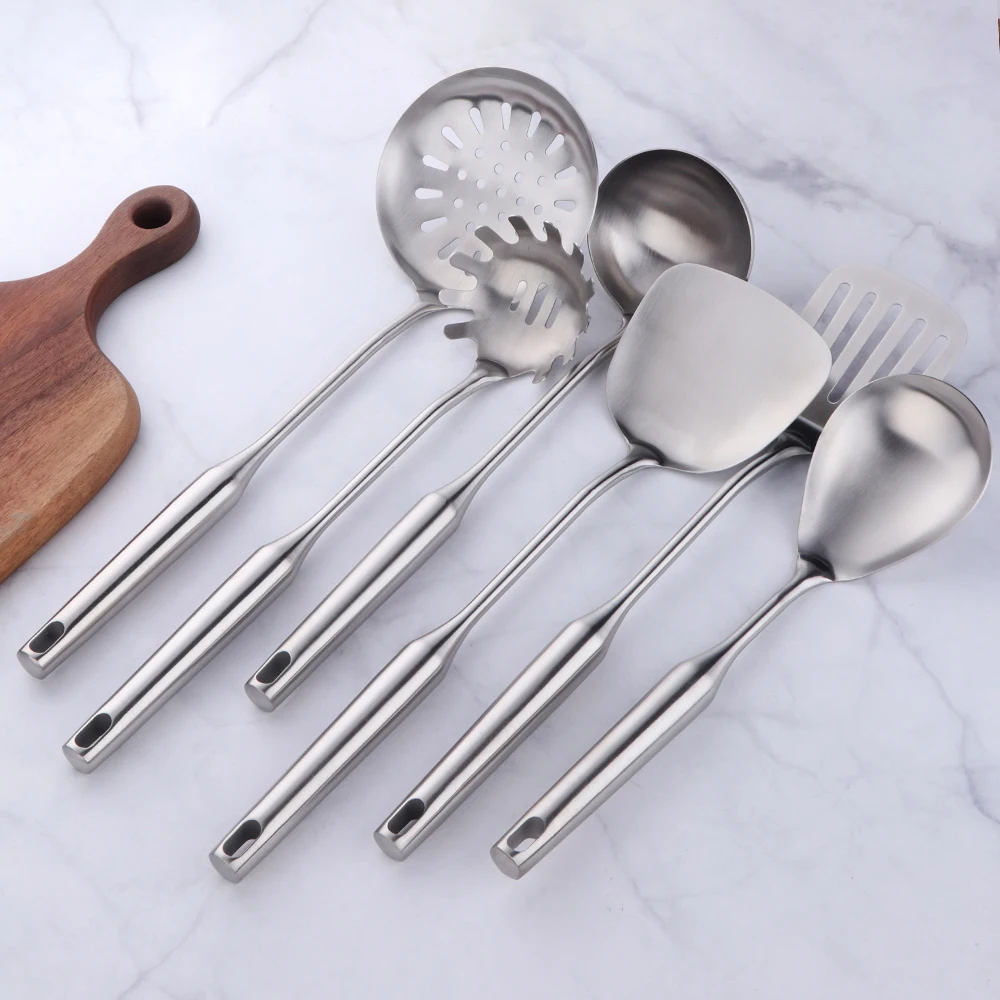
A well-rounded set includes a slotted turner, solid spoon, ladle, soup spoon, colander, and filter. Each serves a specific purpose: turners for flipping, ladles for soups, and colanders for draining pasta. Look for ergonomic handles and balanced weight for comfortable use.
How to Care for Stainless Steel Utensils
While dishwasher-safe, hand washing with mild soap preserves the shine. Avoid abrasive cleaners that can scratch the surface. Dry immediately to prevent water spots. For stubborn stains, a paste of baking soda and water works wonders.
Comparing Stainless Steel to Other Materials
Compared to silicone, stainless steel withstands higher temperatures and won’t melt. Unlike wood, it doesn’t absorb moisture or odors. And unlike nylon, it won’t warp under heat. For longevity and safety, stainless steel is the clear winner.
Top Features to Consider When Buying
Look for one-piece construction (no crevices for bacteria), thick gauge metal (won’t bend), and comfortable handles (stay cool). A mirror finish is easier to clean, while a matte finish hides scratches better. Weight matters—heavy utensils feel substantial but can fatigue the wrist.
Where to Use Stainless Steel Utensils
These utensils are ideal for all cookware types, including non-stick, cast iron, and stainless steel pots. However, avoid using them on non-stick surfaces if the edges are sharp, as they may scratch. For more on cookware materials, see this Wikipedia article on stainless steel.
Making the Right Purchase
Invest in a set that covers your most-used tools. A 5- to 10-piece set is a practical start. Ensure the set includes a variety of sizes and shapes to handle different cooking tasks. Remember, quality stainless steel utensils can last a lifetime with proper care.
1/7/10Pcs Kitchen Utensils Cooking tools Stainless Steel Shovels Turner Ladle Soup Spoon Colander Filter Silver for Restaurant
For a versatile and reliable starter set, consider the 1/7/10Pcs Kitchen Utensils Cooking tools Stainless Steel Shovels Turner Ladle Soup Spoon Colander Filter Silver for Restaurant, which includes all the essentials for daily cooking.
Frequently asked questions
Are stainless steel utensils safe for non-stick pans?
Yes, but use utensils with rounded edges to avoid scratching. Most high-quality stainless steel utensils are designed to be gentle on non-stick surfaces.
Can stainless steel utensils go in the dishwasher?
Yes, but hand washing is recommended to maintain the polish and prevent water spots. The high heat of dishwashers can also cause discoloration over time.
What is the best grade of stainless steel for kitchen utensils?
304 stainless steel (18/8) is the best for kitchen utensils due to its excellent corrosion resistance and durability.
Do stainless steel utensils react with acidic foods?
No, stainless steel is non-reactive, so it won’t alter the taste or color of acidic foods like tomato sauce or citrus.
