
Blog
The Best Kitchen Knife Set for Home Cooks in 2025
Knife Guide
Finding the Best Kitchen Knife Set for You
The best kitchen knife set can transform your cooking experience, but with so many options, how do you choose? Start by understanding what matters most: steel quality, blade geometry, and how the knives feel in your hand.
What Makes a Kitchen Knife Set the Best?
A great knife set combines sharpness, durability, and balance. The best kitchen knife set should include a chef’s knife, a utility knife, and a paring knife at minimum. Look for high-carbon stainless steel blades that hold an edge and resist corrosion. Full-tang construction—where the blade extends through the handle—adds weight and stability. Handles made from materials like pakkawood or micarta offer a secure grip even when wet.
Don’t overlook blade geometry. A thinner blade glides through vegetables, while a thicker spine provides heft for chopping bones. The best kitchen knife set offers a variety of shapes to handle different tasks: a chef’s knife for rocking cuts, a santoku for precision slicing, and a cleaver for heavy-duty work. Each knife should feel like a natural extension of your hand.
Key Features to Look For in the Best Kitchen Knife Set
When shopping for the best kitchen knife set, consider these factors:
- Steel Type: Damascus steel offers beautiful patterns and excellent edge retention. High-carbon stainless steel is a reliable choice for most home cooks.
- Blade Hardness: Measured on the Rockwell scale (HRC), a hardness of 58-62 is ideal—hard enough to stay sharp, but not so brittle that it chips easily.
- Handle Comfort: Ergonomic shapes reduce fatigue. Look for a handle that fills your palm and has a slight curve for a secure pinch grip.
- Knife Count: A set of 5-8 knives usually covers all essential tasks without overwhelming your storage.
Understanding Blade Materials and Construction
The best kitchen knife set uses premium materials. Damascus steel, formed by layering different steels, creates a distinctive wavy pattern and a blade that is both hard and tough. The layers are etched to reveal the pattern, and the core steel—often VG-10 or AUS-10—provides the cutting edge. Forged blades are stronger than stamped ones because the steel is heated and hammered into shape, aligning the grain structure.
Edge geometry matters too. A 15-degree angle per side yields a razor-sharp edge suitable for slicing fish and vegetables. A slightly steeper angle (20 degrees) adds durability for chopping through bones or frozen foods. The best kitchen knife set often includes a mix of edge angles tailored to each knife’s purpose.
How Many Knives Do You Really Need in a Set?
A minimalist might say three knives: a chef’s, a paring, and a serrated bread knife. But the best kitchen knife set for serious home cooks often includes a utility knife, a santoku, and a cleaver. A chef’s knife (8-10 inches) handles most tasks—dicing onions, slicing meat, mincing herbs. A santoku (5-7 inches) excels at precise vegetable work. A cleaver is great for splitting poultry or crushing garlic. A utility knife (4-6 inches) fills the gap between chef and paring knives.
Consider your cooking style: if you frequently prepare fish, a sashimi knife is a plus. If you bake, a bread knife with a serrated edge is essential. The best kitchen knife set should reflect your habits, not just look impressive on a block.
Caring for Your Best Kitchen Knife Set
To keep your knives performing at their best, follow these care tips:
- Hand Wash Only: Dishwashers can dull blades and damage handles. Wash with mild soap and dry immediately.
- Use a Proper Cutting Board: Wood or soft plastic boards are gentle on edges. Avoid glass, stone, or ceramic boards.
- Store Safely: A knife block, magnetic strip, or blade guards prevent nicks and protect your fingers.
- Hone Regularly: A honing steel realigns the edge between sharpenings. Do this before each use for best results.
- Sharpen When Needed: Depending on use, sharpen every 3-6 months with a whetstone or professional service.
Balancing Budget and Quality in the Best Kitchen Knife Set
You don’t need to spend a fortune to get a good set. Entry-level sets around $100 can serve well, but they often use softer steel that dulls faster. Mid-range sets ($200-$400) offer better steel, full tang, and more comfortable handles. High-end sets ($500+) feature premium materials like Damascus steel and artisanal craftsmanship. The best kitchen knife set for you balances quality with what you’re comfortable spending. Remember: a well-maintained mid-range set can outperform a neglected luxury set.
Final Thoughts on Choosing the Best Kitchen Knife Set
Take your time. Visit a store to hold knives, or order from a brand with a good return policy. Read reviews from home cooks who actually use the knives. The best kitchen knife set is the one that makes you look forward to meal prep. It’s an investment in your cooking joy.
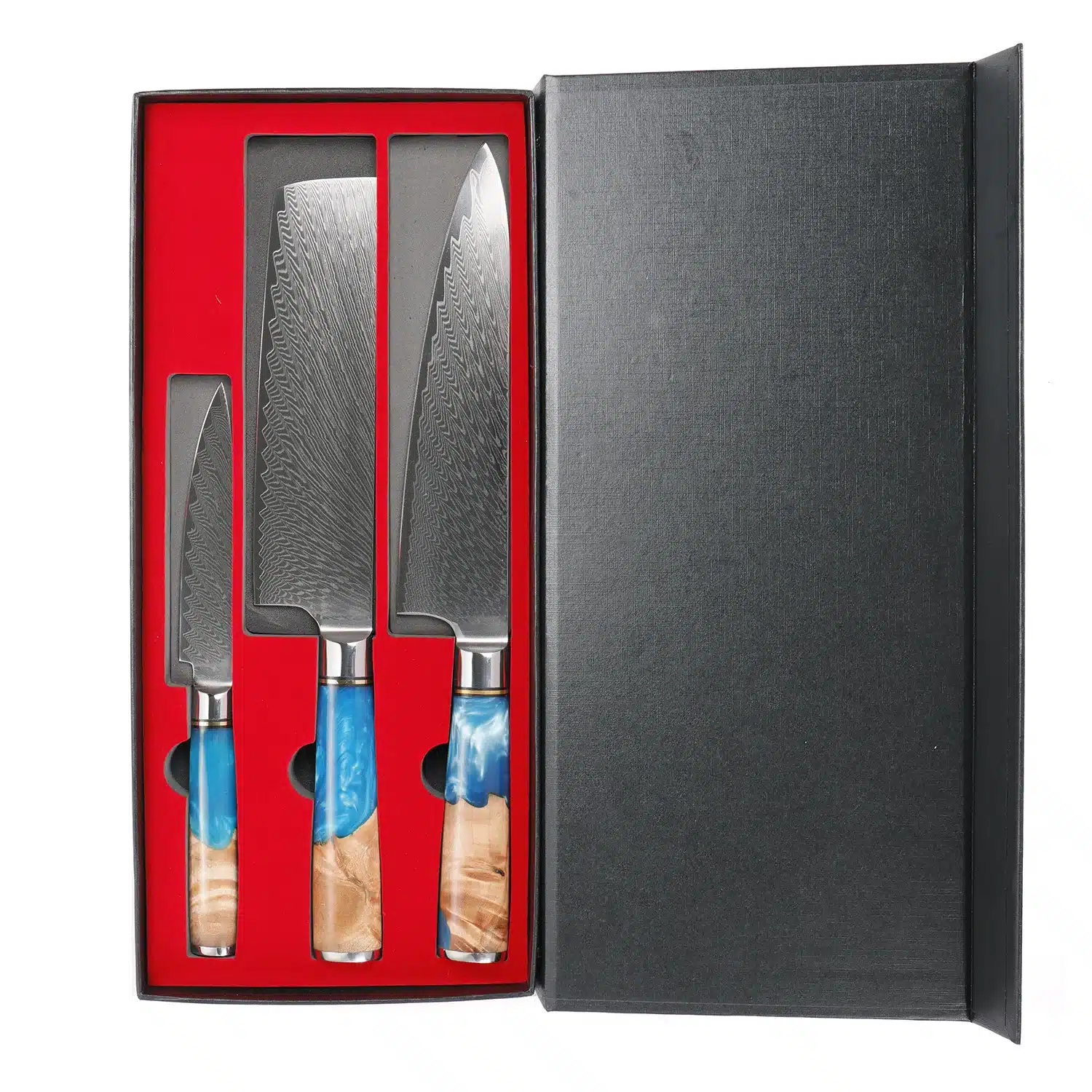
IOKO 67 Layers Damascus Chef Kitchen Knife Set Butcher Utility Santuku Sushi Sashimi Cleaver Japanese Style Damascus Knife Set
For those seeking a blend of artistry and performance, the IOKO 67 Layers Damascus Chef Kitchen Knife Set offers handcrafted precision that elevates everyday cooking.
Frequently asked questions
What is the best kitchen knife set for beginners?
For beginners, look for a set with a chef’s knife, paring knife, and serrated knife. Stainless steel blades with a Rockwell hardness around 58 are forgiving and easy to maintain.
How often should I sharpen my kitchen knives?
Hone before each use and sharpen every 3-6 months, depending on usage. Signs it’s time: the knife struggles to slice a tomato or slips off the surface.
Is Damascus steel better than regular stainless steel?
Damascus steel offers superior edge retention and a unique aesthetic. However, it requires more care to prevent rust. For most home cooks, high-carbon stainless steel is a practical choice.
What is the ideal number of knives in a set?
A set of 5-8 knives covers essential tasks: chef’s, paring, utility, serrated, and optionally santoku, cleaver, or boning knife. Avoid sets with many rarely-used knives.
