
Blog
The Ultimate Guide to Choosing the Best Survival Knife
Buying Guide
Find Your Perfect Best Survival Knife
Whether you’re an avid camper or preparing for emergencies, the best survival knife can be your most reliable tool. This guide covers everything you need to know to make an informed choice.
Understanding Blade Materials
The blade steel determines a knife’s edge retention, toughness, and corrosion resistance. Common choices include stainless steel for low maintenance and carbon steel for superior sharpness. D2 steel, a semi-stainless tool steel, offers excellent wear resistance and edge stability, making it a favorite among outdoor enthusiasts.
- Stainless Steel: Rust-resistant, easier to sharpen, but may not hold an edge as long.
- Carbon Steel: Holds a razor edge, but requires more care to prevent rust.
- D2 Steel: High carbon and chromium content for durability and corrosion resistance, ideal for survival tasks.
Blade Shape and Design
The blade shape affects cutting efficiency and versatility. Drop point blades offer a strong tip for piercing and slicing, while clip points provide finer control. A full tang (blade extending through the handle) ensures strength for heavy-duty tasks like batoning wood.
- Drop Point: Versatile, strong tip, good for general use.
- Clip Point: Thinner tip for precision work.
- Spear Point: Symmetrical, good for piercing.
- Full Tang: Essential for durability in survival situations.
Handle Comfort and Grip
A comfortable, non-slip handle is crucial for prolonged use. Materials like micarta, G10, or textured rubber provide grip even when wet. Ergonomic contours reduce hand fatigue, and a lanyard hole allows for wrist straps.
- Micarta: Durable, grippy, moisture-resistant.
- G10: Lightweight, strong, excellent grip.
- Rubberized: Shock-absorbing, comfortable.
- Wood: Classic look, but can be slippery when wet.
Sheath Quality and Carry Options
A good sheath protects the blade and allows safe, quick access. Kydex sheaths are durable and retain the knife well, while leather offers a classic aesthetic. Look for a secure retention mechanism and multiple carry options like belt loops or MOLLE compatibility.
- Kydex: Custom-molded, sturdy, easy to clean.
- Leather: Traditional, quiet draw, but may require maintenance.
- Nylon: Lightweight, affordable, but less durable.
Size and Weight Considerations
The ideal blade length for survival knives is typically 4 to 6 inches. Longer blades offer more chopping power but can be cumbersome for fine tasks. Lighter knives are easier to carry, but heavier ones provide more momentum for cutting.
- Blade Length: 4-6 inches for versatility.
- Weight: 8-12 ounces balances portability and capability.
- Overall Length: 8-10 inches for comfortable handling.
Edge Type: Plain vs. Serrated
Plain edges slice cleanly and are easier to sharpen, while serrated edges excel at cutting rope and fibrous materials. Many survival knives feature a combination edge, but a plain edge is more versatile for tasks like carving and food preparation.
- Plain Edge: Smooth cutting, easy to maintain.
- Serrated Edge: Aggressive cutting, better for tough materials.
- Combination: Offers both, but compromises sharpening.
Additional Features to Consider
Some knives include extras like a sharpening stone, fire starter, or pommel for glass breaking. While these can be handy, they often add bulk. Prioritize core performance over gimmicks. A reliable knife with a good sheath is better than one with many attachments.
- Sharpening Stone: Useful for field maintenance.
- Fire Starter: Emergency tool, but not essential.
- Pommel: Can be used for hammering or breaking.
How to Test a Survival Knife
Before committing, test the knife for balance, grip, and cutting ability. Check if the handle feels secure in different grips. Try cutting rope, carving wood, and batoning. A well-designed knife should perform these tasks with ease and comfort.
- Balance: Should feel neutral in hand.
- Grip: Secure even when wet.
- Edge Retention: Should stay sharp after moderate use.
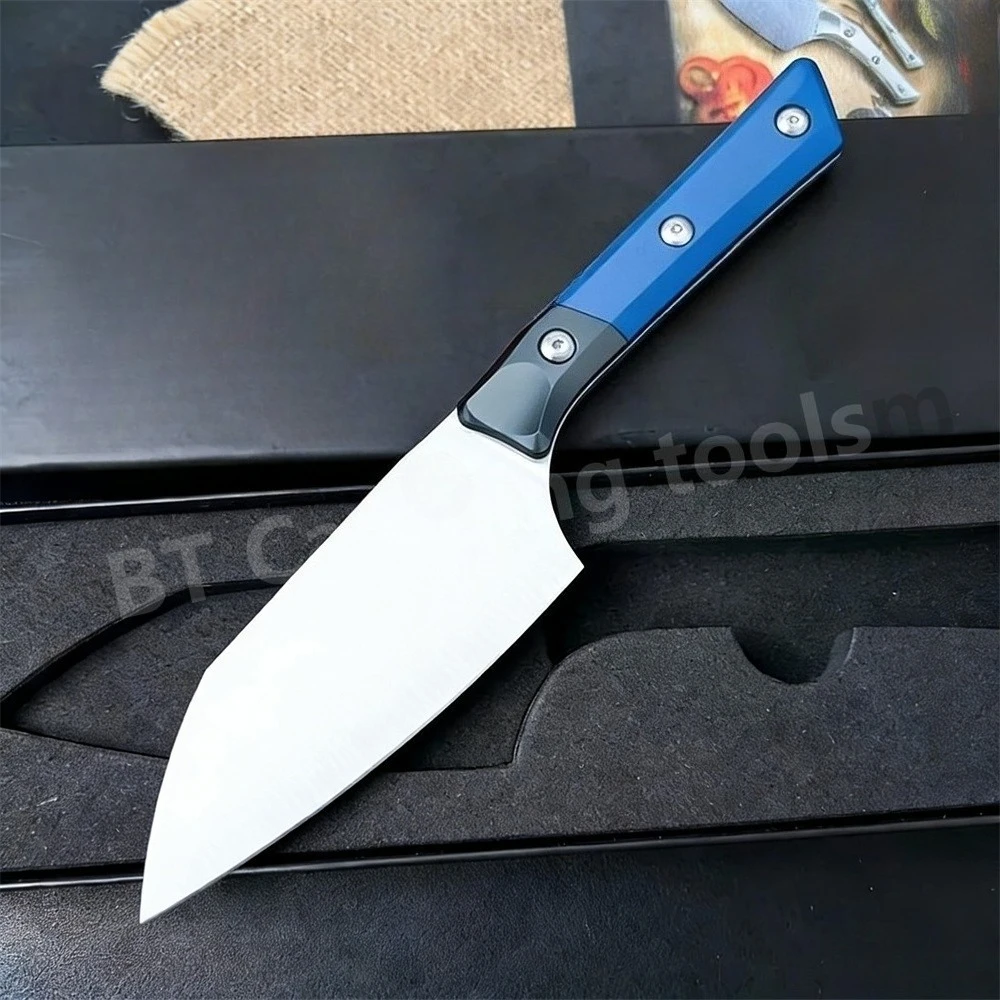
Fixed Blade Knife Outdoor Chef Knife D2 Steel Blade Camping Hiking Survival Tool for Adventurers EDC Utility Holiday Gifts
For a reliable fixed blade that balances toughness and versatility, consider our Fixed Blade Knife Outdoor Chef Knife D2 Steel Blade—designed for camping, hiking, and everyday utility.
Frequently asked questions
What is the best blade length for a survival knife?
A blade length of 4 to 6 inches is ideal for most survival tasks. It provides enough reach for cutting and chopping while maintaining control for finer work like carving or food preparation.
Is a full tang necessary for a survival knife?
Yes, a full tang is highly recommended for durability. It means the blade extends through the entire handle, reducing the risk of breakage during heavy tasks like batoning wood or prying.
How do I maintain a carbon steel survival knife?
Carbon steel knives require regular cleaning and oiling to prevent rust. After each use, wipe the blade dry, apply a light coat of mineral oil, and store it in a dry place. Avoid leaving it in a sheath when wet.
Can I use a survival knife for everyday carry (EDC)?
Absolutely. Many survival knives are compact enough for EDC, especially those with blade lengths around 4 inches. Look for a comfortable sheath and a blade shape that suits daily tasks like opening packages or cutting cordage.
