
Blog
How to Choose the Best Kitchen Knife Set for Your Home
Knife Buying Guide
Find Your Perfect Kitchen Knife Set Today
Choosing a kitchen knife set can feel overwhelming with so many options, but the right set transforms your cooking experience. Whether you’re a home cook or a budding chef, understanding what makes a great knife set is the first step.
Why a Quality Kitchen Knife Set Matters
A good kitchen knife set is more than just a collection of blades; it’s an investment in your culinary efficiency and safety. Dull or poorly balanced knives can lead to accidents and uneven cuts. A well-curated set includes essential knives like a chef’s knife, paring knife, and serrated knife, allowing you to tackle any recipe with confidence. The right set also reduces prep time and enhances the joy of cooking.
Key Blade Materials in a Kitchen Knife Set
The blade material determines sharpness, durability, and maintenance. Common choices include:
- Stainless Steel: Rust-resistant and low-maintenance, ideal for everyday use.
- High-Carbon Steel: Holds a sharp edge longer but requires more care to prevent rust.
- Ceramic: Extremely hard and lightweight, but brittle and prone to chipping.
- Damascus: Layers of steel create a beautiful pattern and excellent edge retention, often found in premium sets.
For most home cooks, a high-carbon stainless steel blend offers the best balance. Learn more about steel types from this Wikipedia article on kitchen knives.
Essential Knives in a Complete Kitchen Knife Set
A versatile kitchen knife set typically includes these five core knives:
- Chef’s Knife (8-10 inches): The workhorse for chopping, slicing, and dicing.
- Paring Knife (3-4 inches): For peeling and intricate work.
- Bread Knife (8-10 inches): Serrated edge for bread and soft fruits.
- Utility Knife (5-7 inches): All-purpose for sandwiches and small tasks.
- Santoku Knife (5-7 inches): A Japanese-style all-rounder excellent for slicing fish and vegetables.
Some sets also include a honing steel and kitchen shears. Consider your cooking habits when choosing which knives matter most.
Handle Design and Ergonomics
The handle affects comfort and control. Look for materials like:
- Wood: Classic feel but requires oiling and may harbor bacteria.
- Plastic/Rubber: Durable and slip-resistant, often dishwasher-safe.
- Stainless Steel: Sleek but can be slippery when wet; often weighted.
An ergonomic handle with a full tang (metal extending through the handle) provides better balance. Test the grip if possible—your kitchen knife set should feel like a natural extension of your hand.
How to Maintain Your Kitchen Knife Set
Proper care extends the life of your knives. Follow these tips:
- Hand wash only: Dishwashers can dull blades and damage handles.
- Dry immediately: Prevent rust and water spots.
- Hone regularly: Use a honing steel before each use to realign the edge.
- Sharpen periodically: Use a whetstone or professional service when knives feel dull.
- Store safely: Use a knife block, magnetic strip, or blade guards to protect edges and fingers.
Good maintenance ensures your kitchen knife set performs consistently for years.
Budget Considerations for a Kitchen Knife Set
Prices vary widely. Entry-level sets ($30-$80) are fine for occasional use but may dull quickly. Mid-range sets ($80-$200) offer better steel and ergonomics, suitable for regular home cooks. Premium sets ($200+) often feature high-carbon steel, full tangs, and superior craftsmanship. You don’t need to spend a fortune—focus on the knives you’ll use most. A 7-piece set often hits the sweet spot for value and versatility.
Choosing the Right Kitchen Knife Set for You
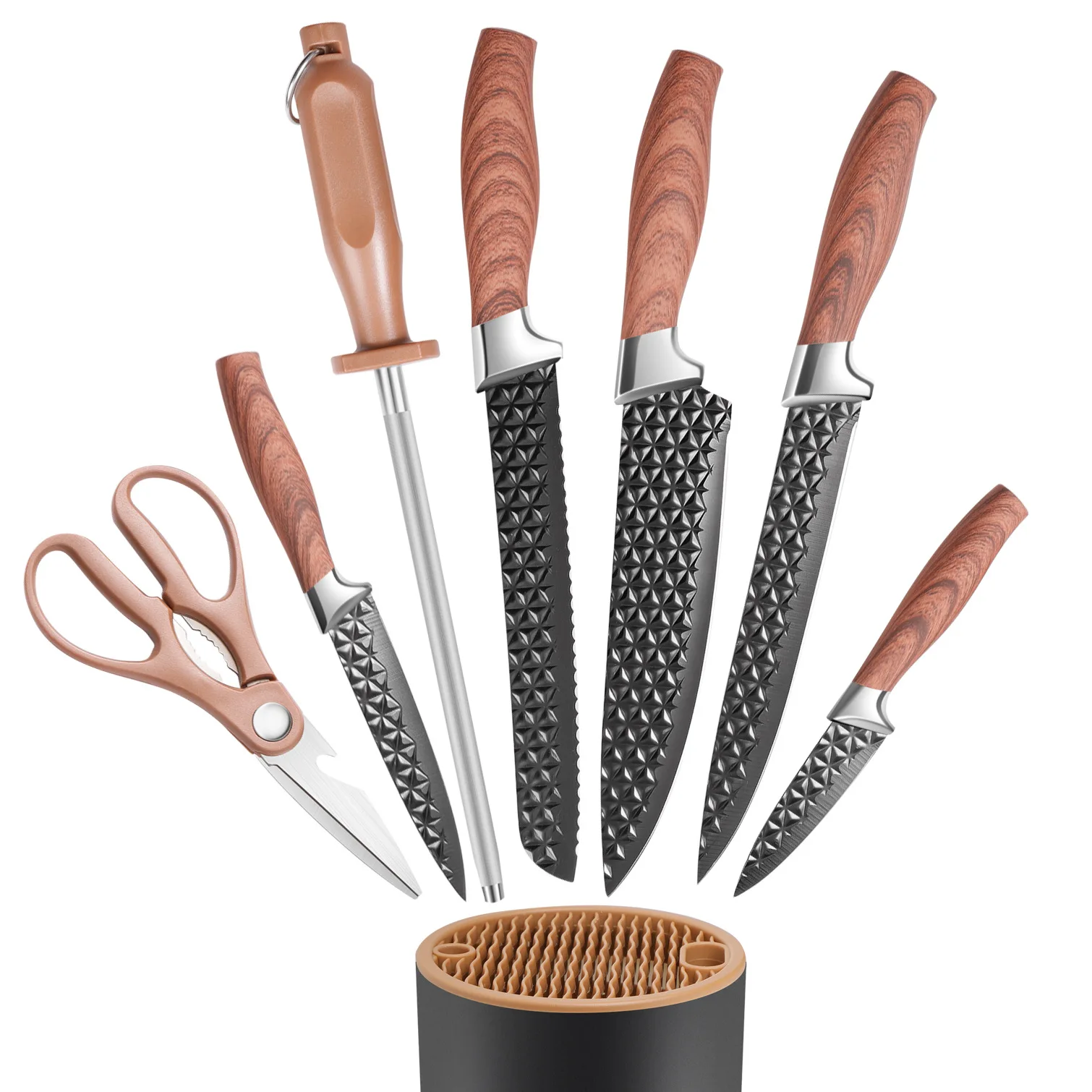
Finally, consider your cooking style. Do you cook elaborate meals daily or simple dishes occasionally? A set with a chef’s knife, paring knife, and bread knife covers basic needs. For sushi or precision slicing, a Santoku knife is a great addition. Some sets, like the IOKO Chef Slicing Sushi Steak Santoku Knife Set Chef’s Vegetable Fruit JapaneseStyle 7 PCS Kitchen Knife Set, combine Japanese and Western designs for versatile performance. Ultimately, the best kitchen knife set is one that feels right in your hand and matches your culinary adventures.
IOKO Chef Slicing Sushi Steak Santoku Knife Set Chef’s Vegetable Fruit JapaneseStyle 7 PCS Kitchen Knife Set
For a well-rounded option, the IOKO Chef Slicing Sushi Steak Santoku Knife Set Chef’s Vegetable Fruit JapaneseStyle 7 PCS Kitchen Knife Set offers a blend of Japanese precision and everyday functionality.
Frequently asked questions
What is the most important knife in a kitchen knife set?
The chef’s knife is typically the most versatile and frequently used knife. It handles chopping, slicing, dicing, and mincing for most ingredients.
How often should I sharpen my kitchen knife set?
Hone before each use to maintain the edge. Sharpen with a whetstone or professional service every few months, depending on use.
Can I put my kitchen knife set in the dishwasher?
No, hand washing is recommended. Dishwashers can dull blades, damage handles, and cause rust, especially with high-carbon steel.
What is the difference between a Santoku and a chef’s knife?
A Santoku has a shorter, thinner blade with a flat edge, ideal for slicing fish and vegetables. A chef’s knife has a curved blade for rocking motions and is more versatile for heavy chopping.
