
Blog
The Essential Guide to Choosing a Damascus Chef Knife
Knife Guide
Find Your Perfect Damascus Chef Knife
A Damascus chef knife is more than a tool; it’s a partner in the kitchen. Whether you’re a home cook or a professional, the right blade can transform your experience.
What Makes a Damascus Chef Knife Special?
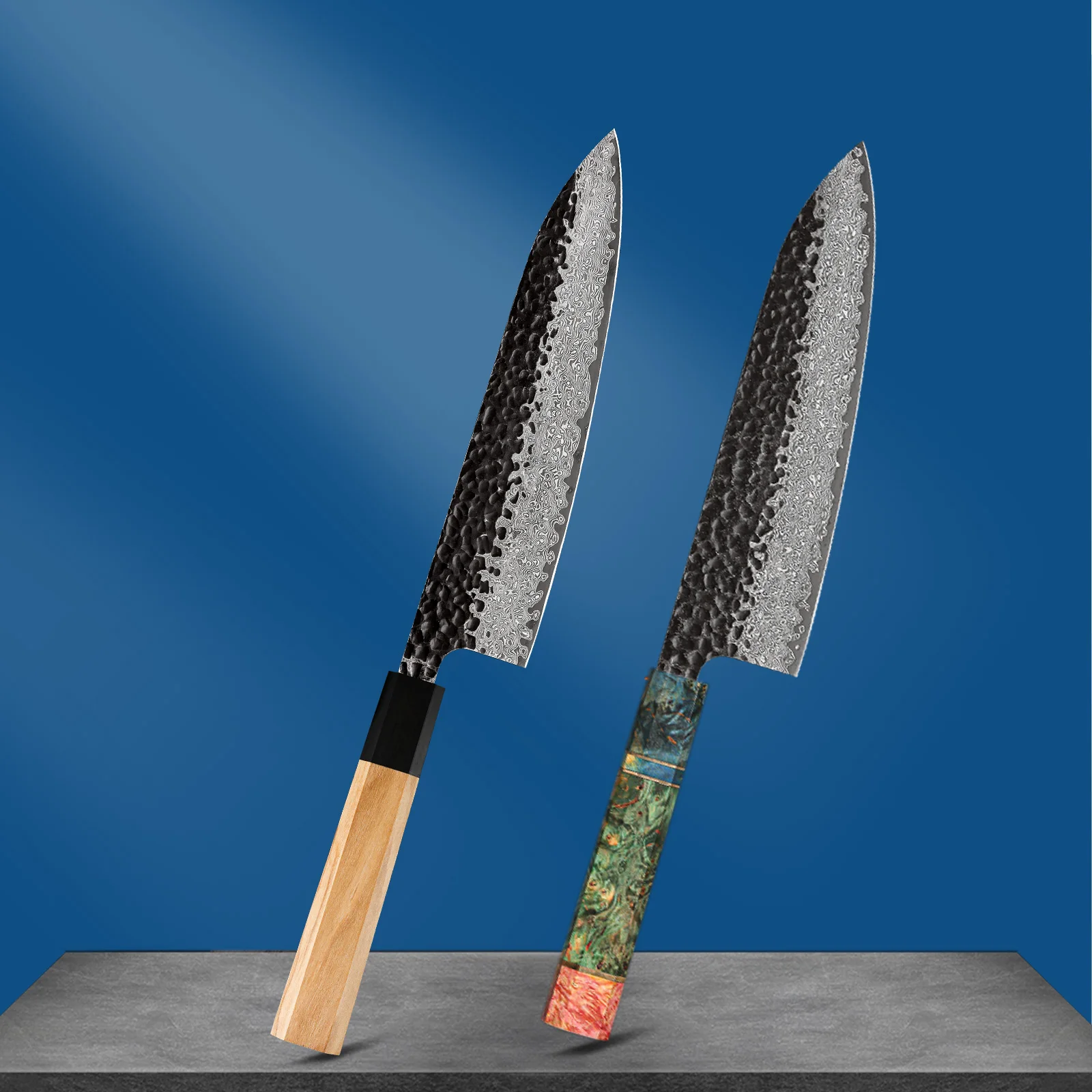
Damascus steel is known for its distinctive wavy patterns, but its real value lies in performance. The layered construction creates a blade that is both hard and flexible, holding a sharp edge while being resistant to chipping. A Damascus chef knife typically combines high-carbon steel for hardness with softer steel for toughness, resulting in a blade that can be honed to a razor-sharp edge.
Key Factors to Consider When Buying
Steel Core and Layering
Look for a core of high-carbon steel like VG-10 or Aogami (blue steel). The number of layers (often 67 or more) affects the pattern but not necessarily performance. More layers can mean a more intricate pattern, but the core steel matters most for edge retention.
Handle Material and Comfort
Common handle materials include rosewood, pakkawood, and micarta. Rosewood offers a classic look and comfortable grip, while micarta is more durable and moisture-resistant. Ensure the handle is ergonomically shaped for a secure pinch grip.
Blade Shape and Size
The standard chef knife blade is 8 inches (20 cm), suitable for most tasks. A longer blade (10 inches) offers more slicing surface, while a shorter one (6 inches) provides better control for detailed work. The profile—whether a classic French curve or a Japanese Gyuto—affects rocking motion and chopping.
How to Care for Your Damascus Chef Knife
To maintain the blade’s beauty and performance, hand wash with mild soap and dry immediately. Avoid dishwashers and prolonged soaking. Regularly hone with a ceramic rod and sharpen with whetstones (1000/6000 grit). Store in a knife block or magnetic strip to protect the edge.
Top Uses in the Kitchen
- Chopping vegetables: The weight and sharpness make quick work of onions, carrots, and herbs.
- Slicing meats: A thin edge glides through cooked or raw meat without tearing.
- Precision cuts: The pointed tip allows for detailed work like trimming fat or deveining shrimp.
For more on knife techniques, see Wikipedia’s Chef Knife article.
Why Handcrafted Matters
Handmade knives often undergo heat treatment and grinding by skilled artisans, resulting in a blade that is properly hardened and evenly sharpened. Mass-produced knives may have inconsistencies. A handcrafted Damascus chef knife typically offers better balance and a keener edge out of the box.
Budget and Value
Prices for Damascus chef knives range from $50 to over $300. Entry-level options can be good for beginners, but investing in a mid-range knife ($100-$200) often yields a better steel core and handle. Remember, a good knife can last a lifetime with proper care.
Final Thoughts on Selection
Choosing a Damascus chef knife comes down to your cooking style and preferences. Prioritize a comfortable handle and a core steel that matches your maintenance routine. Whether you prefer a traditional Western style or a Japanese profile, the right knife will feel like an extension of your hand.
Damascus Steel Japanese Kitchen Knife, PRO Chef Knife, Handmade
For a reliable everyday option, consider the Damascus Steel Japanese Kitchen Knife, PRO Chef Knife, Handmade, which combines traditional craftsmanship with modern performance.
Frequently asked questions
Is a Damascus chef knife worth the extra cost?
Yes, if you value edge retention and aesthetics. The layered steel provides a durable blade that stays sharp longer than many stainless steels. However, proper care is essential to prevent rust.
Can I use a Damascus chef knife on a cutting board made of glass or stone?
No. Avoid hard surfaces like glass, stone, or ceramic as they can chip the blade. Use wood, bamboo, or soft plastic cutting boards to preserve the edge.
How do I maintain the pattern on the blade?
The pattern is etched into the steel and will remain visible with normal use. Avoid abrasive cleaners. To enhance the pattern, you can gently polish with a fine grit compound, but this is optional.
What is the difference between Damascus and a regular chef knife?
Damascus knives have a layered steel construction that creates a wavy pattern. They often combine hard and soft steels for improved edge retention and flexibility, while regular chef knives are typically made from a single steel type.
