
Blog
The Ultimate Guide to Choosing a Damascus Chef Knife
Knife Guide
Find Your Perfect Damascus Chef Knife
A Damascus chef knife is more than a kitchen tool—it’s a fusion of art and function. Whether you’re a home cook or a professional, understanding what makes these knives special helps you choose wisely.
What Makes a Damascus Chef Knife Special?
A Damascus chef knife is forged by layering different types of steel, creating a pattern that’s both beautiful and functional. The layers are folded and hammered, producing a blade with excellent hardness and flexibility. This process, known as pattern welding, has been used for centuries to create strong, sharp blades. The resulting knife offers superior edge retention and corrosion resistance compared to standard stainless steel. However, not all Damascus knives are created equal—the number of layers and the quality of the core steel matter greatly.
Understanding Steel Layers and Core Material
The core of a Damascus chef knife is typically a high-carbon steel like VG-10 or Aogami, which holds a sharp edge. The outer layers are softer stainless steels that provide toughness and corrosion resistance. A common myth is that more layers always mean a better knife. In reality, the quality of the core steel and the forging process are more important. Look for a knife with at least 67 layers for a good balance of performance and pattern visibility. The pattern itself doesn’t affect cutting performance—it’s purely aesthetic.
Edge Retention and Sharpening
A Damascus chef knife can hold its edge for a long time due to the hard core steel, but it will eventually need sharpening. High-carbon steel can be sharpened to a razor edge and maintains it through many uses. However, these knives are more prone to chipping if misused. Avoid cutting on glass, stone, or hard surfaces. Use a honing rod regularly and sharpen with whetstones when needed. With proper care, a Damascus knife can last a lifetime.
Handle Comfort and Balance
The handle of a Damascus chef knife should feel comfortable and secure in your hand. Common materials include wood, resin, and micarta. Wood handles, like those made from walnut or rosewood, offer a warm, traditional feel but require occasional oiling. Resin handles are durable and waterproof. The knife’s balance point should be near the bolster or slightly forward for control. A well-balanced knife reduces fatigue during extended use.
How to Choose the Right Size and Weight
Chef knives typically range from 6 to 10 inches. An 8-inch blade is versatile for most tasks. Heavier knives (around 8-10 oz) provide momentum for chopping, while lighter knives (6-8 oz) offer agility for slicing. Consider your hand size and cooking habits. If you often chop vegetables, a slightly heavier knife may help. For precision work like mincing, a lighter blade is better.
Maintenance Tips for Your Damascus Chef Knife
To keep your Damascus chef knife in top condition, hand wash it with mild soap and dry it immediately. Do not put it in the dishwasher, as high heat and detergents can damage the blade and handle. Store it in a knife block, magnetic strip, or protective sleeve to prevent nicks. Occasionally apply mineral oil to the blade to maintain the pattern and prevent rust. For the handle, use food-safe oil if it’s wood.
For more on the history of pattern welding, visit Wikipedia’s article on pattern welding.
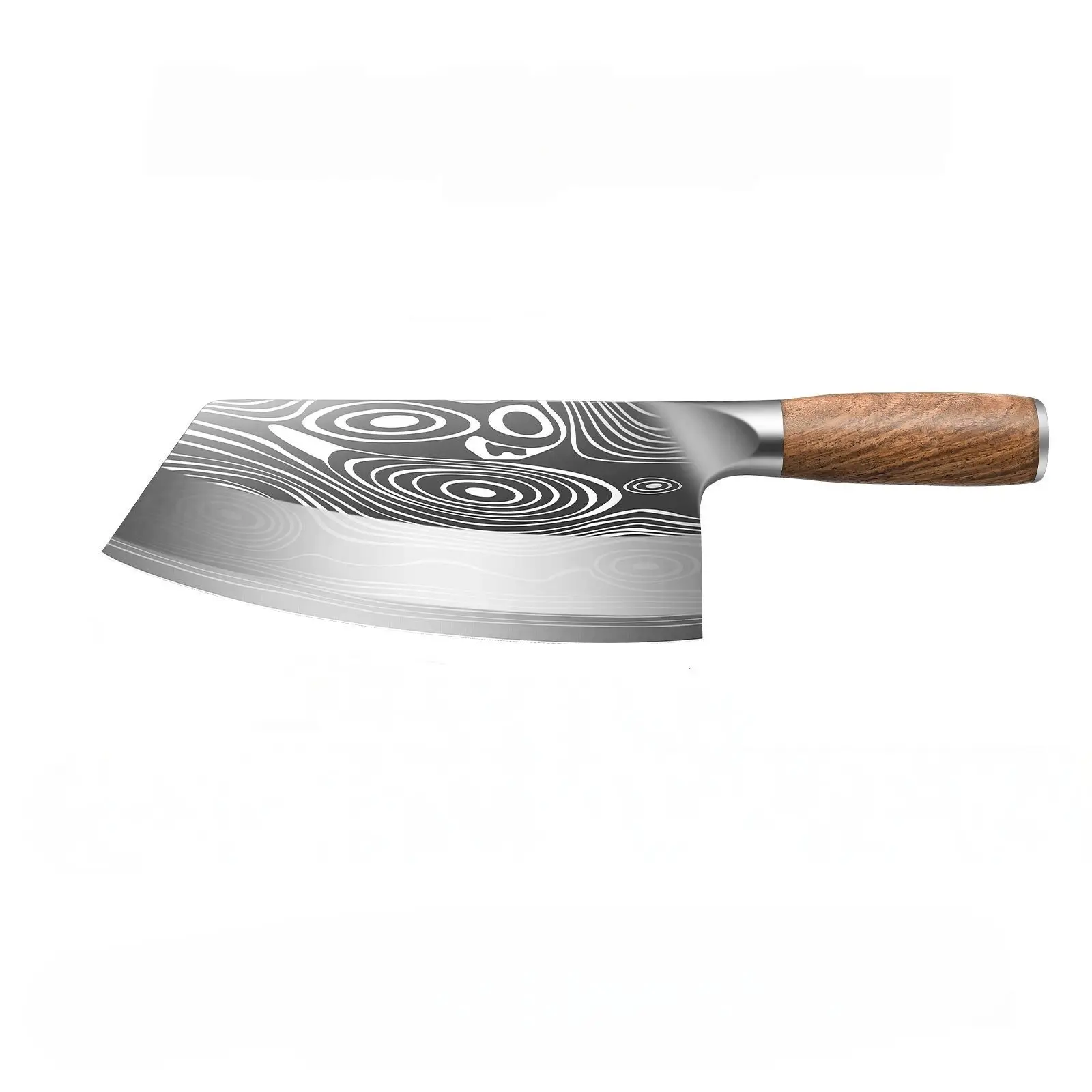
High Quality Kitchen Knives Damascus Steel Kitchen Chef Knife Meat Cleaver Knife with Wood Handle
For a balanced option, consider our High Quality Kitchen Knives Damascus Steel Kitchen Chef Knife Meat Cleaver Knife with Wood Handle, which combines traditional craftsmanship with modern durability.
Frequently asked questions
Is a Damascus chef knife better than a regular chef knife?
It depends on your needs. A Damascus chef knife offers a unique aesthetic and often superior edge retention due to the hard core steel. However, it requires more maintenance and care. For everyday cooking, a quality stainless steel knife might be more practical.
How do I clean a Damascus chef knife?
Hand wash with warm water and mild soap, then dry immediately. Avoid abrasive sponges. Never put it in the dishwasher.
Can a Damascus chef knife rust?
Yes, if not cared for properly. The high-carbon core is susceptible to rust. Keep it dry and oiled to prevent corrosion.
What is the best angle to sharpen a Damascus chef knife?
Most Damascus chef knives benefit from a 15-20 degree angle per side. Use a whetstone and maintain a consistent angle.
