
Blog
How to Choose the Perfect Glass Pot Lid for Your Kitchen
Buying Guide
Find Your Ideal Glass Pot Lid Today
A glass pot lid is a kitchen essential that lets you monitor your cooking without lifting the lid, saving heat and moisture. Whether you’re simmering soup or frying vegetables, the right lid makes all the difference.
Why a Glass Pot Lid Is a Smart Choice
A glass pot lid offers unmatched visibility while you cook. You can check the doneness of your food without releasing steam or heat. This helps maintain consistent temperature and reduces cooking time. Plus, glass lids are typically lighter than metal ones, making them easier to handle.
Key Features to Look For
Material and Durability
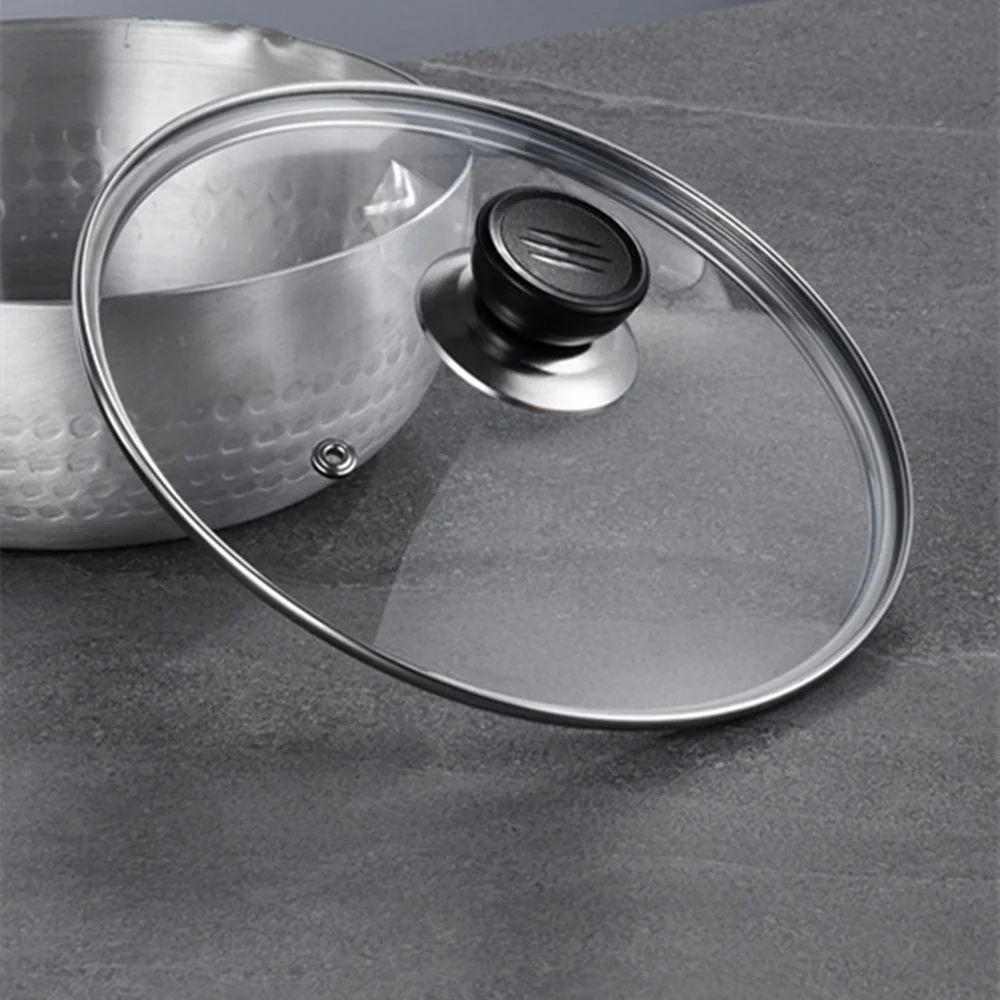
Most glass lids are made from tempered glass, which is heat-resistant and shatterproof. Tempered glass can withstand high oven temperatures up to 400°F or more. Look for lids with a stainless steel rim to prevent chipping and ensure a snug fit.
Handle Design
A comfortable, heat-resistant handle is crucial. Stainless steel handles with silicone or plastic grips stay cool during stovetop use. Some lids have riveted handles for extra strength.
Size and Compatibility
Measure your pot or pan diameter before buying. A lid that’s too small won’t seal properly, while one that’s too large may tip off. Standard sizes range from 20 cm to 30 cm. Many lids are designed to fit multiple pot sizes.
How to Measure for a Perfect Fit
To find the right glass pot lid, measure the inside diameter of your cookware at the rim. Use a ruler or measuring tape. Write down the measurement in centimeters or inches. Then choose a lid that matches that number. A slight overhang (1-2 mm) is fine, but avoid gaps.
Care and Maintenance Tips
- Let the lid cool before washing to avoid thermal shock.
- Hand wash with mild soap and a soft sponge; avoid abrasive cleaners.
- Check the rim and handle periodically for loose parts.
- Store lids separately or with a protective layer to prevent scratches.
With proper care, a quality glass lid can last for years.
Top Brands and Where to Buy
While many brands offer glass lids, you can also find universal options online. For more on cookware materials, check out this Wikipedia article on cookware. Always read reviews to confirm compatibility with your pots.
Common Mistakes to Avoid
- Buying a lid without measuring your pot first.
- Choosing a lid with a plastic handle that can melt in the oven.
- Ignoring the knob type – make sure it’s oven-safe if you plan to use it in the oven.
- Assuming all tempered glass lids are dishwasher safe – some are not.
Avoid these pitfalls to ensure your glass pot lid serves you well.
Final Thoughts: Investing in a Quality Lid
A good glass pot lid is a small investment that pays off in convenience and efficiency. Whether you’re upgrading your cookware or replacing a broken lid, prioritize tempered glass, a secure fit, and a comfortable handle. Your meals will thank you.
Pot Cover Tempered Glass Round Frying Pan Cover Visible Vertical Lid Pot Lid Cookware Parts Kitchen Accessories 20-30cm
For a reliable option, consider the Pot Cover Tempered Glass Round Frying Pan Cover Visible Vertical Lid Pot Lid Cookware Parts Kitchen Accessories 20-30cm, which fits multiple pan sizes and features a sturdy handle.
Frequently asked questions
Can I use a glass pot lid in the oven?
Most tempered glass lids are oven-safe up to 350-400°F (175-200°C). Check the manufacturer’s specifications. Avoid sudden temperature changes to prevent cracking.
How do I clean a glass pot lid?
Hand wash with mild dish soap and a soft sponge. Avoid metal scouring pads that can scratch the glass. If your lid is dishwasher safe, place it on the top rack.
What size glass pot lid should I buy?
Measure the inside diameter of your pot or pan at the rim. Choose a lid that matches that measurement exactly. Common sizes are 20 cm, 24 cm, 26 cm, 28 cm, and 30 cm.
Are glass lids better than metal lids?
Glass lids offer the advantage of visibility, allowing you to monitor cooking without lifting the lid. They are also lighter and often easier to clean. However, metal lids are more durable and can be used for browning under the broiler.
