
Blog
Best Nonstick Cookware Set for Effortless Cooking
Buying Guide
Choose the Perfect Nonstick Cookware Set
Choosing a nonstick cookware set can transform your daily cooking experience. Whether you’re a beginner or a seasoned home chef, the right set makes meals easier and cleanup a breeze.
What to Look for in a Nonstick Cookware Set
When shopping for a nonstick cookware set, the first consideration is the coating quality. A good nonstick surface should be free of PFOA and PTFE, ensuring safety at high temperatures. Look for multiple layers—often three or more—which provide better durability and scratch resistance. Another factor is the base material: aluminum heats quickly and evenly, while stainless steel adds strength. A thick base prevents warping and hot spots.
Additionally, consider the set’s composition. A typical set includes frying pans, saucepans, and a stockpot. Versatility matters: you want pieces that can handle everything from eggs to stews. Handles should be riveted and stay cool during use. Oven-safe lids and tempered glass tops are bonuses. Finally, weight is a personal preference—heavier pans feel sturdier but lighter ones are easier to handle.
Benefits of Nonstick Cookware
Nonstick cookware offers undeniable convenience. You can cook with less oil, making meals healthier. Food slides off effortlessly, reducing frustration and waste. Cleanup is quick—often just a wipe with a sponge. For delicate foods like eggs, fish, or pancakes, nonstick surfaces prevent sticking and tearing. Even browning is achievable with quality coatings. Many sets are also dishwasher-safe, saving time.
However, nonstick pans have limitations. They cannot withstand high heat like stainless steel—medium heat is best. Metal utensils can scratch the coating, so use silicone, wood, or plastic. With proper care, a good set lasts several years. The key is balancing convenience with longevity.
Types of Nonstick Coatings
Most nonstick cookware uses PTFE (Teflon) or ceramic coatings. PTFE is the traditional choice, offering excellent release properties. Modern PTFE is safe when used correctly—avoid overheating. Ceramic coatings are made from sand-derived materials; they are eco-friendly and can handle slightly higher heat. However, ceramic may lose nonstick performance faster than PTFE.
Another emerging option is hard-anodized aluminum. This material is not coated but has a naturally nonstick surface created through electrolysis. It is extremely durable, scratch-resistant, and conducts heat well. Some sets combine hard anodized bodies with a nonstick layer for the best of both worlds. Whichever you choose, ensure the manufacturer provides a warranty.
Size and Set Composition
A standard nonstick cookware set includes 8- and 10-inch frying pans, 1.5- and 3-quart saucepans with lids, and a 6-quart stockpot. Some sets also include a sauté pan or a griddle. Think about your cooking habits: do you often prepare large meals? A bigger stockpot is essential. For small households, a compact set saves space. Nesting designs can store neatly.
Check the diameter of pans—10 inches is ideal for most stovetops. Lids should fit snugly to trap moisture. Glass lids let you monitor cooking without lifting. Also, ensure the set is compatible with your cooktop: induction requires magnetic stainless steel or cast iron. Many nonstick sets work on gas, electric, and ceramic, but not induction unless specified.
Durability and Care Tips
To extend the life of your nonstick cookware, avoid overheating. Never preheat an empty pan on high. Use low to medium heat for most tasks. Allow pans to cool before washing—thermal shock can warp them. Hand washing with mild soap and a soft sponge is best, even if dishwasher-safe. Store pans with protective pads between them to prevent scratches.
Replace a set when the coating starts peeling or flaking. Flakes can get into food and pose a health risk. Good nonstick sets last 3–5 years with proper care. Look for sets with reinforced rims and sturdy handles. Some brands offer lifetime warranties on defects.
Price vs. Value
Nonstick cookware sets range from $50 to $500+. Budget sets can suffice for light use, but they may warp or lose nonstick quickly. Mid-range sets ($100–$250) offer better construction and coatings. Premium sets feature thick aluminum, multiple coating layers, and ergonomic handles. The best value is a set that balances performance, durability, and price. Avoid sets with too many pieces—you may not use them all.
Consider the cost per piece and how often you cook. If you cook daily, investing in a high-quality set saves money in the long run. Read reviews to gauge real-world performance. Look for sets with positive feedback on coating longevity and heat distribution.
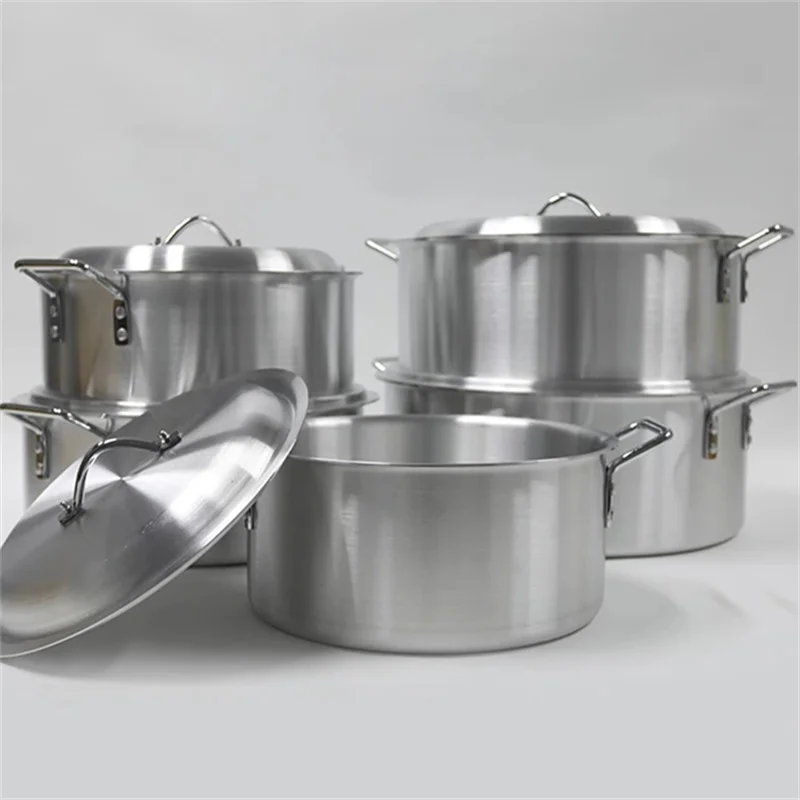
For a reliable option, the 5pcs/set Thick Aluminum Pot Set Multi-Purpose Pot Soup Pot Cookware Set Non-Stick Pan Panela Cooking Tool KITCHEN UTENSIL SET offers a solid foundation for everyday cooking. Its thick aluminum body ensures even heating, and the nonstick coating simplifies cleanup. A practical choice for those starting their kitchen collection.
Common Mistakes to Avoid
One common mistake is using metal utensils on nonstick surfaces. Always use silicone, wood, or plastic. Another is stacking pans without protection—this scratches coatings. Avoid cooking sprays, as they leave residue that builds up and reduces nonstick performance. Instead, use a little oil or butter. Lastly, don’t put nonstick pans in the oven unless specified. Most are oven-safe only to 350°F (175°C).
Also, do not use abrasive cleaners or steel wool. If food is stuck, soak the pan in warm soapy water. For stubborn stains, boil a mixture of water and baking soda. Proper care ensures your set performs well for years.
Final Thoughts
Selecting the best nonstick cookware set comes down to your cooking style, budget, and maintenance preferences. Prioritize safety, durability, and heat performance. A well-chosen set makes cooking enjoyable and cleanup quick. Remember to read labels, compare features, and invest in quality. Happy cooking!
5pcs/set Thick Aluminum Pot Set Multi-Purpose Pot Soup Pot Cookware Set Non-Stick Pan Panela Cooking Tool KITCHEN UTENSIL SET
For a reliable start, consider the 5pcs/set Thick Aluminum Pot Set Multi-Purpose Pot Soup Pot Cookware Set Non-Stick Pan Panela Cooking Tool KITCHEN UTENSIL SET, which combines even heating with easy cleanup.
Frequently asked questions
Is nonstick cookware safe to use?
Yes, modern nonstick cookware is safe when used correctly. Avoid overheating (above 500°F) and use utensils that won’t scratch the coating. Look for PFOA-free and PTFE-free options if concerned.
How long does a nonstick cookware set last?
With proper care, a good nonstick set lasts 3–5 years. Signs of wear include peeling, flaking, or loss of nonstick performance. Replace when coating deteriorates.
Can I use metal utensils on nonstick pans?
No, metal utensils can scratch and damage the nonstick coating. Use silicone, wood, or plastic utensils to preserve the surface.
What is the best material for nonstick cookware?
Aluminum with a hard-anodized finish is durable and heats evenly. For coatings, ceramic is eco-friendly but may wear faster, while PTFE offers excellent release. Choose based on your priorities.
