
Blog
The Ultimate Guide to Choosing a Cast Iron Wok
Buying Guide
Find Your Perfect Cast Iron Wok Today
A cast iron wok is a versatile kitchen tool that brings high heat and even cooking to your stir-fries. Whether you’re a seasoned chef or a home cook, choosing the right one can elevate your dishes.
Why Choose a Cast Iron Wok?
Cast iron woks have been a staple in kitchens for centuries, prized for their ability to retain and distribute heat evenly. Unlike thin carbon steel woks, a cast iron wok provides consistent high temperatures ideal for searing and stir-frying. The material also develops a natural non-stick surface over time when properly seasoned, reducing the need for chemical coatings.
If you love cooking Asian dishes or want a durable pan that lasts decades, a cast iron wok is a smart investment. Its weight helps stabilize the pan during tossing, and it works on all stovetops including induction.
Key Features to Look for in a Cast Iron Wok
When shopping for a cast iron wok, consider these factors:
- Size: Most woks range from 12 to 14 inches in diameter. A 14-inch wok offers ample cooking space for families.
- Weight: Cast iron is heavy; ensure you can comfortably lift and maneuver the wok.
- Handle: Look for a long wooden or insulated handle to stay cool during cooking. Some woks have a helper handle for better control.
- Seasoning: Pre-seasoned woks save time, but you can also season a raw cast iron wok yourself.
How to Season and Care for Your Cast Iron Wok
Seasoning creates a natural non-stick layer and prevents rust. To season a new cast iron wok:
- Wash with warm water and mild soap (skip soap if pre-seasoned).
- Dry thoroughly over low heat.
- Apply a thin layer of vegetable oil or flaxseed oil to the entire surface.
- Heat the wok upside down in a 350°F oven for one hour (place foil on lower rack to catch drips).
- Let cool in the oven. Repeat 2-3 times for best results.
After each use, clean with hot water and a stiff brush—avoid soap. Dry immediately and rub with a light coat of oil. Store in a dry place.
Best Cooking Techniques for a Cast Iron Wok
A cast iron wok excels at high-heat stir-frying, but you can also use it for deep-frying, steaming, and even braising. Preheat the wok over medium-high heat for a few minutes before adding oil. The oil should shimmer before you add ingredients. Toss vegetables and proteins quickly to avoid sticking. Because cast iron retains heat, reduce the heat slightly once the wok is hot to prevent burning. For more tips, check out this Wikipedia article on wok cooking.
Comparing Cast Iron Wok vs. Carbon Steel Wok
Both materials have dedicated fans. A cast iron wok is heavier and retains heat longer, making it great for searing. Carbon steel is lighter and heats up faster, but it can warp under high heat. Cast iron is also more affordable and develops a better non-stick seasoning over time. If you prioritize durability and even heat, go with cast iron.
When to Choose Cast Iron
Choose a cast iron wok if you cook on a gas or induction stove, don’t mind the weight, and want a pan that lasts a lifetime.
When to Choose Carbon Steel
Choose carbon steel if you need a lightweight wok for tossing and have an electric stove where even heat is less critical.
Common Mistakes to Avoid with Cast Iron Woks
- Don’t soak the wok in water—it can rust.
- Avoid cooking acidic foods like tomatoes for long periods; they can strip seasoning.
- Don’t use metal utensils that scratch the seasoning; use wooden or silicone tools.
- Never put a hot wok under cold water—thermal shock can crack the cast iron.
With proper care, your cast iron wok will become a cherished kitchen companion.
Top Uses for a Cast Iron Wok Beyond Stir-Fry
While stir-frying is the classic use, a cast iron wok is incredibly versatile. Use it for deep-frying because the high sides prevent splatter. The even heat makes it excellent for steaming dumplings or fish when fitted with a bamboo steamer. You can also use it as a skillet for searing meats or baking cornbread. Its durability allows for campfire cooking—perfect for outdoor enthusiasts.
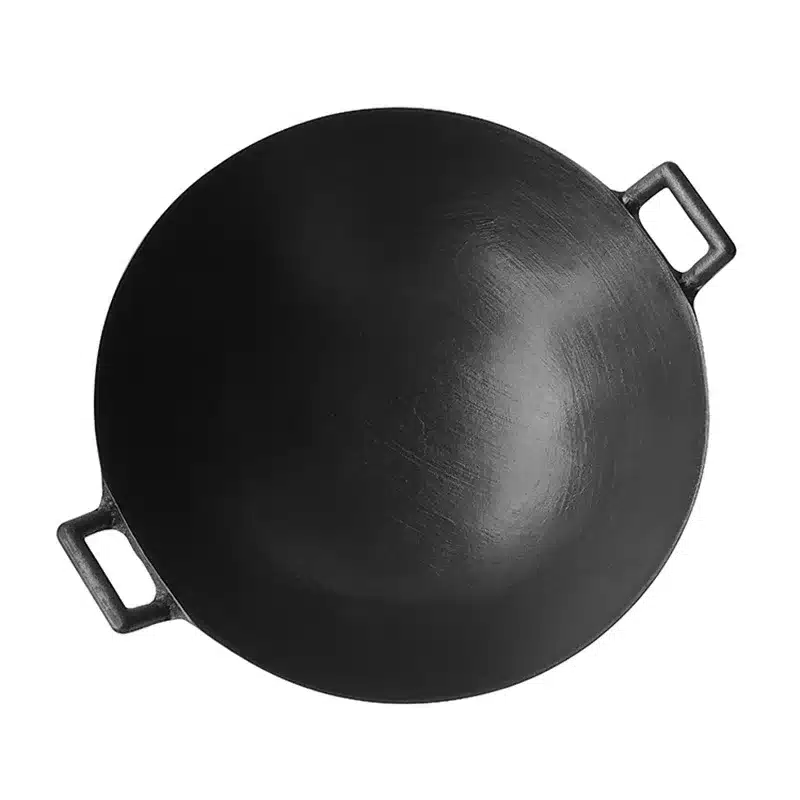
Free Shing Cast Iron Wok Cooking Pot No Coating Noo-Stivk Classical Camping Outdoor Use cast iron pot wok cooking pot cast iron
For a reliable option, consider the Free Shing Cast Iron Wok Cooking Pot, which is pre-seasoned and built for both kitchen and campfire use.
Frequently asked questions
Can I use a cast iron wok on an induction cooktop?
Yes, most cast iron woks are compatible with induction cooktops because they are magnetic. Ensure the wok has a flat bottom for best contact.
How do I remove rust from my cast iron wok?
Scrub the rusted area with steel wool or a stiff brush and warm water. Dry thoroughly, then re-season the wok by applying oil and heating it.
Is a cast iron wok non-stick?
When properly seasoned, a cast iron wok develops a natural non-stick surface. It is not as non-stick as Teflon, but it improves with use.
What size cast iron wok should I buy?
For most households, a 14-inch wok is ideal. It provides enough space for stir-frying vegetables and proteins without overcrowding.
