
Blog
The Ultimate Guide to Choosing an Uncoated Frying Pan
Cookware Essentials
Why You Need an Uncoated Frying Pan
An uncoated frying pan is a kitchen workhorse that delivers superior searing and durability. Unlike nonstick pans, it builds a natural patina over time for better cooking.
What Is an Uncoated Frying Pan?
An uncoated frying pan has no synthetic nonstick coating. Instead, it relies on seasoned oil or bare metal for cooking. This design offers high heat tolerance and excellent browning, making it ideal for steaks, eggs, and stir-fries. Without coatings, there’s no risk of peeling or chemical leaching.
Benefits of Cooking with an Uncoated Frying Pan
- Superior heat retention and even distribution
- Develops a natural nonstick surface with use
- Can withstand high temperatures for perfect searing
- Long-lasting and often more affordable
Materials: Carbon Steel vs. Cast Iron vs. Stainless Steel
Carbon Steel
Lightweight and responsive, carbon steel heats quickly and evenly. It’s popular among professional chefs and great for delicate foods like eggs and fish. Requires seasoning to prevent rust.
Cast Iron
Heavy and retains heat exceptionally well. Ideal for slow cooking and high-heat searing. Cast iron is virtually indestructible and improves with age.
Stainless Steel
Non-reactive and dishwasher-safe. Stainless steel pans are durable but require more oil to prevent sticking. Best for browning and deglazing.
How to Choose the Right Uncoated Frying Pan
Consider your cooking style: For high-heat searing, go with cast iron. For quick, versatile cooking, carbon steel is excellent. Stainless steel works well for acidic sauces. Look for a pan with a thick base to prevent warping. A helper handle adds stability. For induction cooktops, ensure the pan is magnetic. Our frying pan guide offers more details.
Caring for Your Uncoated Frying Pan
- Season regularly with oil to maintain nonstick properties
- Avoid soap for cast iron and carbon steel; use hot water and a stiff brush
- Dry immediately to prevent rust
- Store in a dry place
Top Uses for an Uncoated Frying Pan
Perfect for searing steaks, frying eggs, sautéing vegetables, and making pan sauces. The high heat capability allows for caramelization and crispy textures. An uncoated frying pan is also great for oven-to-table cooking.
Common Mistakes to Avoid
Don’t use metal utensils on seasoned surfaces. Avoid soaking in water. Never heat an empty pan on high for too long. With proper care, your uncoated pan will last decades.
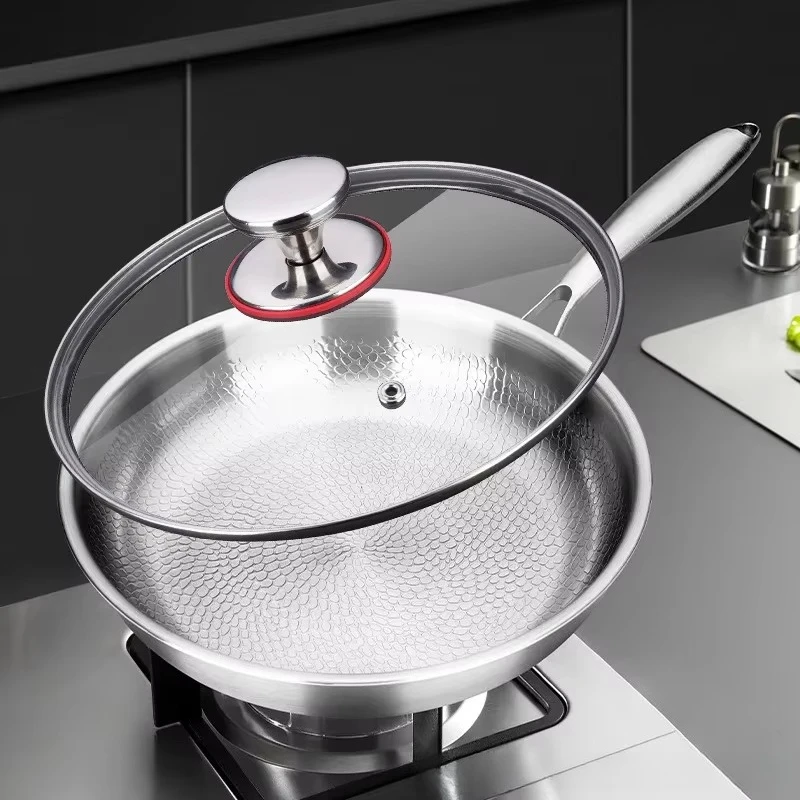
Titanium frying pan uncoated household fried egg fried steak pan thickened soldering pan gas stove induction cooker universal
For a reliable, versatile option, consider the Titanium frying pan uncoated household fried egg fried steak pan thickened soldering pan gas stove induction cooker universal.
Frequently asked questions
Is an uncoated frying pan nonstick?
Not initially, but with proper seasoning, it becomes naturally nonstick. The more you cook, the better the patina.
Can I use an uncoated frying pan on induction?
Yes, if the pan is made of magnetic material like cast iron or carbon steel. Stainless steel pans with a magnetic base also work.
How do I season an uncoated frying pan?
Apply a thin layer of oil, heat until smoking, then let cool. Repeat several times for best results.
Is an uncoated frying pan safe for health?
Yes, since there are no synthetic coatings, there’s no risk of chemicals leaching into food.
