
Blog
The Ultimate Cast Iron Skillet Buying Guide
Kitchen Essentials
Your Complete Cast Iron Skillet Buying Guide
A cast iron skillet is one of the most versatile tools in any kitchen. Whether you’re a seasoned cook or just starting out, this guide will help you find the perfect pan for your needs.
Why Choose a Cast Iron Skillet?
Cast iron skillets have been a kitchen staple for centuries, and for good reason. They offer unparalleled heat retention and even cooking, making them ideal for searing meats, frying eggs, baking cornbread, and more. Unlike non-stick pans, cast iron can withstand high temperatures and develops a natural non-stick surface over time with proper seasoning.
Key Features to Consider
When shopping for a cast iron skillet, keep these features in mind:
- Size: Common sizes range from 10 to 12 inches. A 10-inch skillet is great for everyday cooking, while a 12-inch provides more surface area for larger meals.
- Weight: Heavier skillets retain heat better but can be harder to handle. Look for a balance that suits your strength.
- Handle: Some skillets have a long handle for better leverage, while others have a helper handle for easier lifting. Ensure the handle stays cool during stovetop use.
- Surface: Smooth surfaces are easier to season and clean, while rough textures may require more maintenance.
Seasoning and Maintenance
Seasoning is the process of baking oil onto the iron to create a protective, non-stick layer. To season your skillet, coat it with a thin layer of vegetable oil or flaxseed oil and bake it upside down at 375°F for an hour. Repeat this process several times for best results. After each use, clean the skillet with hot water and a stiff brush (avoid soap), dry thoroughly, and apply a light coat of oil to prevent rust.
Cooking Tips for Cast Iron
Get the most out of your skillet with these tips:
- Preheat slowly to avoid warping. Start on low heat and gradually increase.
- Use metal utensils—they won’t damage the seasoning like plastic might.
- Avoid cooking acidic foods (tomatoes, vinegar) for long periods, as they can strip the seasoning.
- For sticky foods like eggs, ensure the pan is well-seasoned and hot before adding oil.
Best Uses for Cast Iron
Cast iron excels at high-heat searing, deep frying, baking, and even grilling. It’s perfect for making crispy-skinned chicken, cornbread, frittatas, and pan pizzas. With care, it can last for generations.
Comparing Brands and Budgets
Cast iron skillets range from budget-friendly to premium. Entry-level options are often pre-seasoned and ready to use, while higher-end models may have smoother finishes and ergonomic handles. Consider your cooking frequency and budget when choosing.
Common Mistakes to Avoid
- Using soap: While a little soap is okay, frequent use can strip seasoning. Stick to hot water and a brush.
- Soaking: Never soak cast iron, as it promotes rust. Clean immediately after cooking.
- Storing wet: Always dry thoroughly and apply a thin oil layer before storing to prevent rust.
- Using high heat empty: Always add oil or food before heating to prevent damage.
Accessories and Storage
Invest in a silicone handle holder for safe gripping, and a chainmail scrubber for tough residue. Store your skillet in a dry place; if stacking, place a paper towel between pans to protect the seasoning.
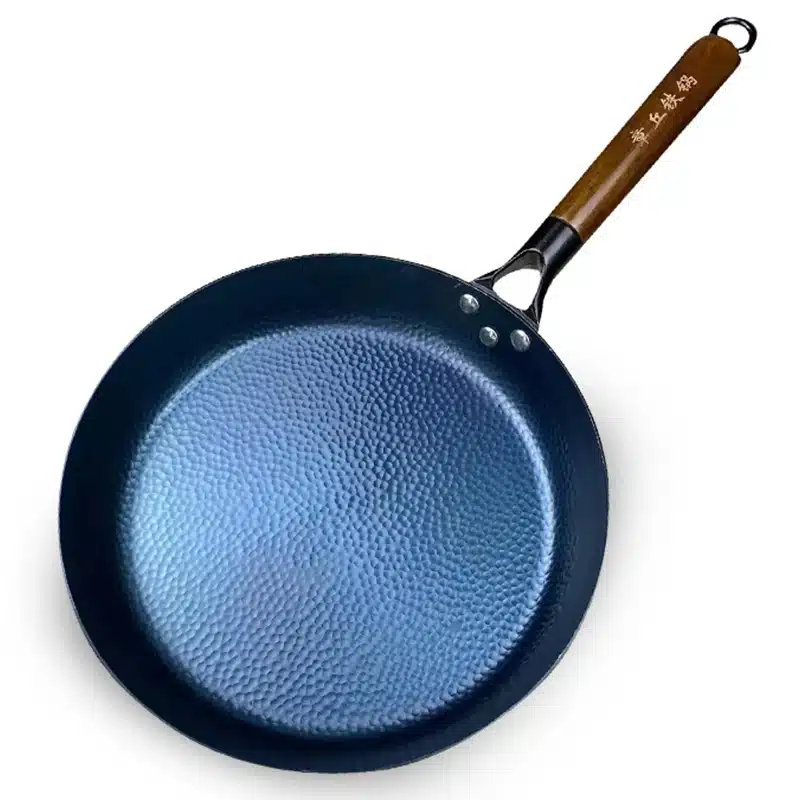
Cast Iron Frying Pan Hand hammering Uncoated Skillet Fried Egg Steak Kitchen Pan for Gas Stove Induction Cooker 30cm
For a reliable, hand-hammered option that works beautifully on both gas and induction, consider the Cast Iron Frying Pan Hand hammering Uncoated Skillet Fried Egg Steak Kitchen Pan for Gas Stove Induction Cooker 30cm.
Frequently asked questions
How do I clean a cast iron skillet without ruining the seasoning?
Use hot water and a stiff brush. Avoid soap if possible. For stuck-on food, scrub with coarse salt and a paper towel. Dry thoroughly and apply a thin layer of oil before storing.
Can I use a cast iron skillet on an induction cooktop?
Yes, most cast iron skillets are compatible with induction cooktops because they are magnetic. Our Cast Iron Frying Pan Hand hammering Uncoated Skillet is designed for gas and induction cookers.
Why is my cast iron skillet rusting?
Rust occurs when the skillet is not dried properly or stored in a damp environment. To remove rust, scrub with steel wool, wash, dry, and re-season immediately.
Is it safe to cook acidic foods in cast iron?
Occasional cooking of acidic foods is fine, but prolonged exposure can damage the seasoning. If you cook acidic dishes often, consider using an enameled cast iron pot instead.
