
Blog
The Best Cast Iron Skillet: A Complete Guide
Kitchen Essentials
Finding the Best Cast Iron Skillet for You
The best cast iron skillet is more than just a pan—it’s a lifetime investment. Whether you’re searing steaks or baking cornbread, cast iron delivers unmatched heat retention and durability.
What Makes the Best Cast Iron Skillet?
A great cast iron skillet excels at even heating and long-lasting performance. Unlike non-stick pans, cast iron improves with age, developing a natural patina that enhances flavor. Look for a skillet with a smooth cooking surface and sturdy handle that stays cool on the stovetop.
Key Features to Consider
- Size: 10-12 inches is ideal for most households.
- Weight: Heavier pans retain heat better but can be hard to handle.
- Handle: Long, ergonomic handles with silicone or wood grips reduce heat transfer.
- Pre-seasoning: A pre-seasoned skillet saves time and prevents rust.
How to Season Your Skillet
Seasoning is the key to a non-stick surface. Rub a thin layer of vegetable oil over the pan, then bake it upside down at 450°F for an hour. Repeat this process a few times to build a durable layer. For more details, check out Wikipedia’s guide on seasoning cast iron.
Best Cast Iron Skillet Care Tips
Never use soap on a seasoned skillet—it strips the oil. Instead, scrub with coarse salt and a damp cloth. Dry immediately on low heat to prevent rust. Store with a paper towel inside to absorb moisture.
Cooking with Cast Iron
Cast iron excels at high-heat searing and slow braising. Preheat the pan gradually to avoid warping. Use metal utensils freely—unlike non-stick, cast iron can handle them. Avoid acidic foods like tomato sauce for long periods, as they can react with the iron.
Our Top Pick
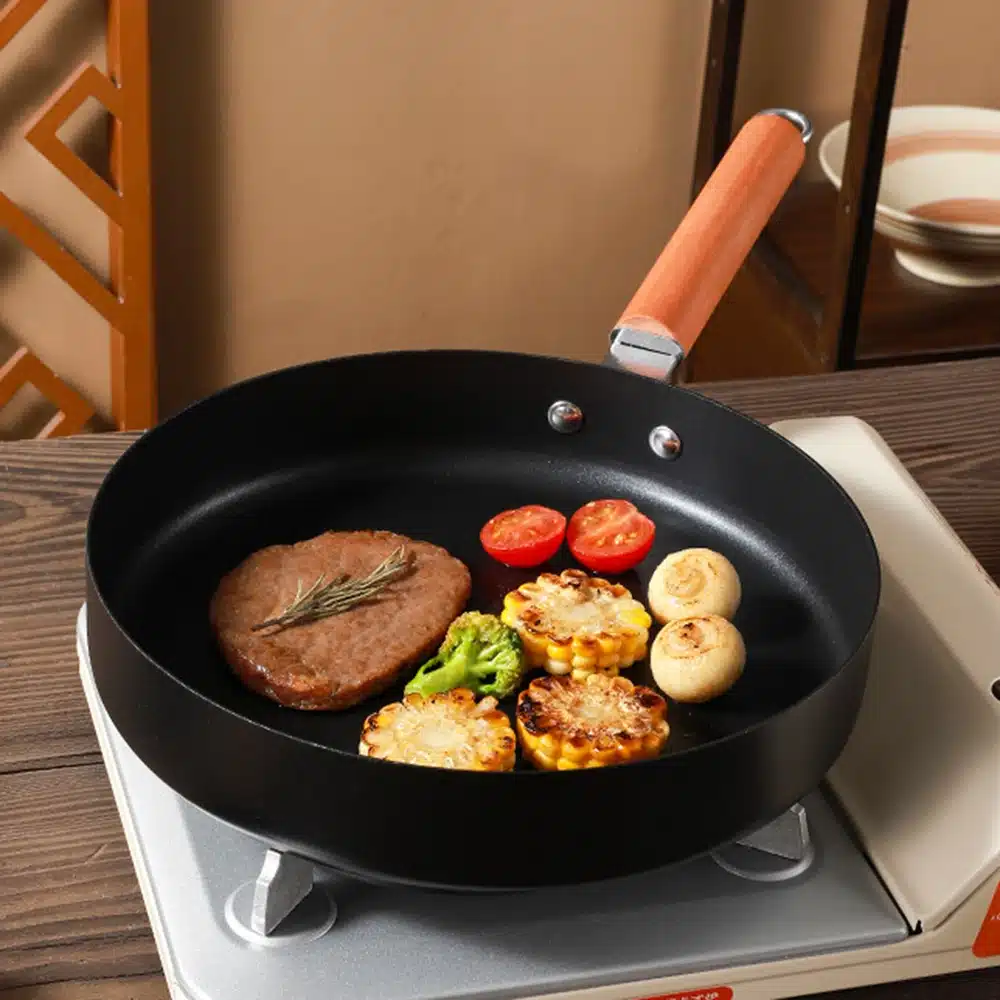
For a reliable everyday skillet, the 24/26/28 cm xNon-stick Flat-bottomed Frying Pan Cast Iron Egg Steak Frying Pans Kitchen Cookware Anti-scald Handle Cooking Pot offers excellent heat distribution and a comfortable handle. It’s pre-seasoned and ready to use out of the box.
Why Cast Iron Beats Non-Stick
Non-stick pans wear out in a few years, but cast iron lasts generations. It’s naturally non-toxic, adds dietary iron to your food, and works on all cooktops including induction. Plus, it’s oven-safe up to 500°F.
24/26/28 cm xNon-stick Flat-bottomed Frying Pan Cast Iron Egg Steak Frying Pans Kitchen Cookware Anti-scald Handle Cooking Pot
For a reliable everyday skillet, consider the 24/26/28 cm xNon-stick Flat-bottomed Frying Pan Cast Iron Egg Steak Frying Pans Kitchen Cookware Anti-scald Handle Cooking Pot, which offers excellent heat distribution and a comfortable handle.
Frequently asked questions
Can I use soap on my cast iron skillet?
It’s best to avoid soap as it can strip the seasoning. Use hot water and a stiff brush; for stuck-on food, boil water in the pan to loosen debris.
How do I remove rust from cast iron?
Scrub rust with steel wool, rinse, dry thoroughly, then re-season the pan with oil and heat.
Is cast iron safe for induction cooktops?
Yes, cast iron is compatible with induction because it’s magnetic. Just avoid sliding the pan to prevent scratches.
What size cast iron skillet is best for beginners?
A 10-inch skillet is versatile for most recipes—enough for a steak or omelet, yet light enough to handle.
