
Blog
The Ultimate Guide to Choosing Red Wine Glasses
Wine Essentials
Find Your Perfect Red Wine Glasses
Choosing the right red wine glasses can transform your tasting experience. The shape and size of a glass affect how aromas concentrate and how wine flows onto your palate.
Why the Shape of Red Wine Glasses Matters
The silhouette of a red wine glass is not just about aesthetics—it directly influences the wine’s flavor and aroma. A generous bowl allows the wine to breathe, softening tannins and releasing complex notes. For bold reds like Cabernet Sauvignon, a taller, wider glass directs wine to the back of the mouth, while a more tapered rim suits lighter reds like Pinot Noir, focusing delicate fruit. Learn more about wine glass anatomy.
Key Features of Quality Red Wine Glasses
When shopping for red wine glasses, look for thin, crystal-clear rims that don’t interfere with the drinking experience. A long stem keeps your hand away from the bowl, preventing warmth from altering the wine’s temperature. The base should be sturdy and weighted to prevent tipping. Durability matters too—fine crystal can be delicate, so consider lead-free options for everyday use.
Bowl Size and Taper
Bowl volume ranges from 12 to 20 ounces for red wine. A larger bowl suits full-bodied wines, while a smaller, more tapered bowl is ideal for older, more delicate vintages. The opening should be slightly narrower than the widest part of the bowl to trap aromas.
How to Choose Red Wine Glasses for Different Varietals
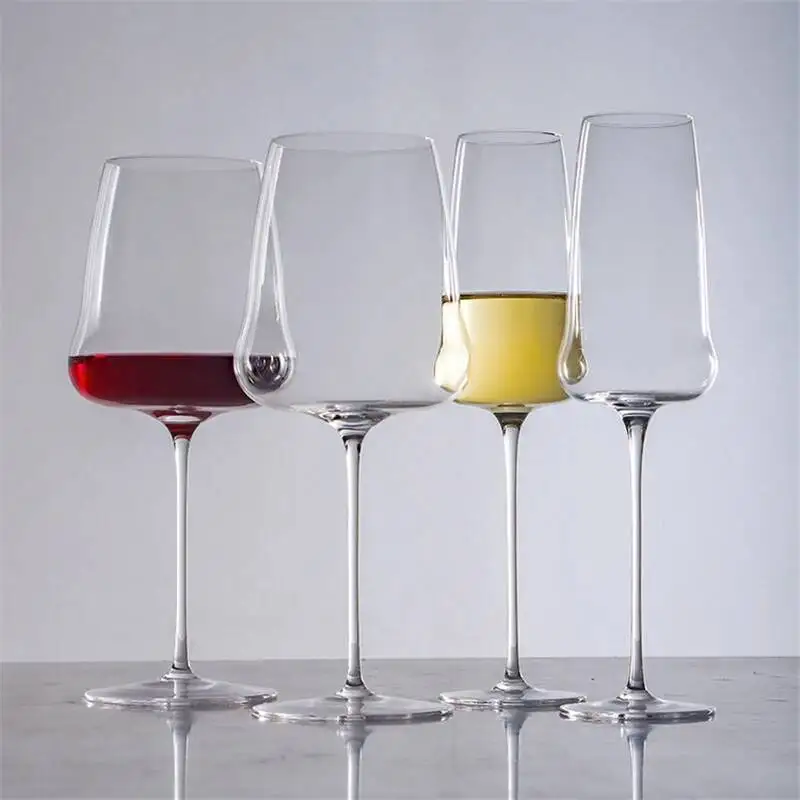
Pairing glass shape with wine style enhances the drinking experience. For Cabernet Sauvignon and Bordeaux blends, opt for a tall, broad bowl with a wide opening. For Pinot Noir, a wider, rounder bowl with a slightly tapered rim works best. Syrah and Zinfandel benefit from a medium-sized bowl with moderate taper. For sparkling reds (rare but possible), a flute-like shape can preserve bubbles.
- Bordeaux glass: Tall, broad bowl, wide opening – ideal for Cabernet, Merlot, Malbec.
- Burgundy glass: Wide, round bowl, tapered rim – perfect for Pinot Noir, Nebbiolo.
- Universal red glass: Medium bowl, moderate taper – versatile for most reds.
Stemmed vs. Stemless Red Wine Glasses
Stemmed glasses are traditional: they keep your hand off the bowl, preventing heat transfer and allowing you to swirl without spills. Stemless glasses are modern and stable, easier to store, but they warm the wine faster. For formal tastings or extended sipping, stemmed is preferable. For casual outdoor dining, stemless may be more practical.
Caring for Your Red Wine Glasses
Hand washing is best to preserve clarity and prevent breakage. Use warm water, mild detergent, and a soft sponge. Avoid abrasive scrubbers. Rinse thoroughly and dry with a lint-free cloth. Store glasses upright to avoid dust inside the bowl, or hang them from a rack to save space. Never stack crystal glasses—they can scratch and chip.
Budget and Material Considerations
You can find red wine glasses at every price point. Machine-made glasses offer consistency and value, while hand-blown crystal provides unique artistry and thinner rims. Lead crystal gives a brilliant sparkle but requires careful handling. Lead-free crystal is more durable and eco-friendly. For everyday use, tempered glass or reinforced crystal is smart. For special occasions, invest in fine crystal.
Why the Right Red Wine Glasses Elevate Your Table
Beyond function, red wine glasses set the tone for a meal. Elegant stemware adds sophistication to dinner parties and romantic dinners. Clear, flawless glasses showcase the wine’s color and clarity. Whether you’re a casual drinker or a connoisseur, quality glasses make every sip more enjoyable. Choose a set that matches your style and entertain with confidence.
Cloud Design Ultra-thin Bordeaux Red Wine Glass Crystal Thin Stem Burgundy Goblet Light Luxury Wedding Party Champagne Flute Cup
For a perfect balance of elegance and functionality, consider the Cloud Design Ultra-thin Bordeaux Red Wine Glass Crystal Thin Stem Burgundy Goblet Light Luxury Wedding Party Champagne Flute Cup.
Frequently asked questions
What is the best shape for red wine glasses?
The best shape depends on the wine. For full-bodied reds like Cabernet, a tall, broad bowl with a wide opening is ideal. For lighter reds like Pinot Noir, a wider, rounder bowl with a tapered rim helps concentrate aromas.
Should red wine glasses have stems?
Stemmed glasses are recommended for most red wines because they prevent hand heat from warming the wine and allow easy swirling. Stemless glasses are more stable and easier to store but warm the wine faster.
How many red wine glasses should I own?
A set of four to six is practical for most households. If you host often, consider eight to twelve. Having both Bordeaux and Burgundy styles covers a range of red wines.
Can I use white wine glasses for red wine?
Yes, but you won’t get the full aromatic and flavor experience. Red wine glasses have larger bowls to allow for aeration and proper release of complex aromas, which white wine glasses lack.
