
Blog
The Essential Kitchen Measuring Cup Guide for Home Cooks
Buying Guide
Find Your Perfect Kitchen Measuring Cup
A kitchen measuring cup is one of the most used tools in any home cook’s arsenal. Whether you’re baking a delicate soufflé or simmering a hearty stew, precise measurements can make or break your dish.
Why a Reliable Kitchen Measuring Cup Matters
In cooking and baking, accuracy is key. A good kitchen measuring cup ensures consistent results, especially when following recipes that rely on exact ratios of liquid and dry ingredients. Without a dependable cup, you risk too much salt or too little flour, leading to disappointing outcomes. Investing in a quality measuring tool saves time, reduces waste, and boosts your confidence in the kitchen.
Materials: Glass, Plastic, or Metal?
Each material has its pros and cons. Glass measuring cups are heat-resistant, non-porous, and won’t absorb odors or stains. They’re microwave-safe and easy to clean, but can break if dropped. Plastic cups are lightweight and shatterproof, but may warp over time or retain grease. Metal cups, usually stainless steel, are durable and often come with etched markings that won’t fade. However, they aren’t microwave-safe and can be harder to see through. For most home cooks, a glass kitchen measuring cup offers the best balance of clarity, durability, and versatility.
Key Features to Look For
When shopping for a kitchen measuring cup, consider these features:
- Clear markings: Look for etched or printed measurements that are easy to read and won’t wash off.
- Comfortable handle: A sturdy, heat-resistant handle makes pouring safe and easy.
- Spout design: A well-designed spout prevents dripping and allows precise pouring.
- Measurement units: Cups that show both US and metric units (ml and fl oz) are more versatile.
- Stackability: If buying a set, cups that nest together save storage space.
How to Use a Kitchen Measuring Cup Correctly
For liquids, place the cup on a flat surface and bend down to read the measurement at eye level. The liquid should form a meniscus—read the bottom of the curve. For dry ingredients, spoon them into the cup and level off with a straight edge. Avoid scooping directly from the bag, as it compacts the ingredient and throws off the measurement. A kitchen measuring cup designed for both liquid and dry use typically has a spout for pouring and a flat rim for leveling.
Cleaning and Maintenance Tips
To extend the life of your measuring cup, wash it by hand with mild soap and a soft sponge. Avoid abrasive scrubbers that can scratch glass or plastic. If your cup has stubborn stains, soak it in warm, soapy water. For glass cups, you can also use a baking soda paste. Never place a cold glass cup directly into a hot oven or pour boiling liquid into a cold cup, as thermal shock can cause cracking. Store your cups in a dry place, preferably nested if they are a set, to prevent chips.
Sizes and Sets: What Do You Really Need?
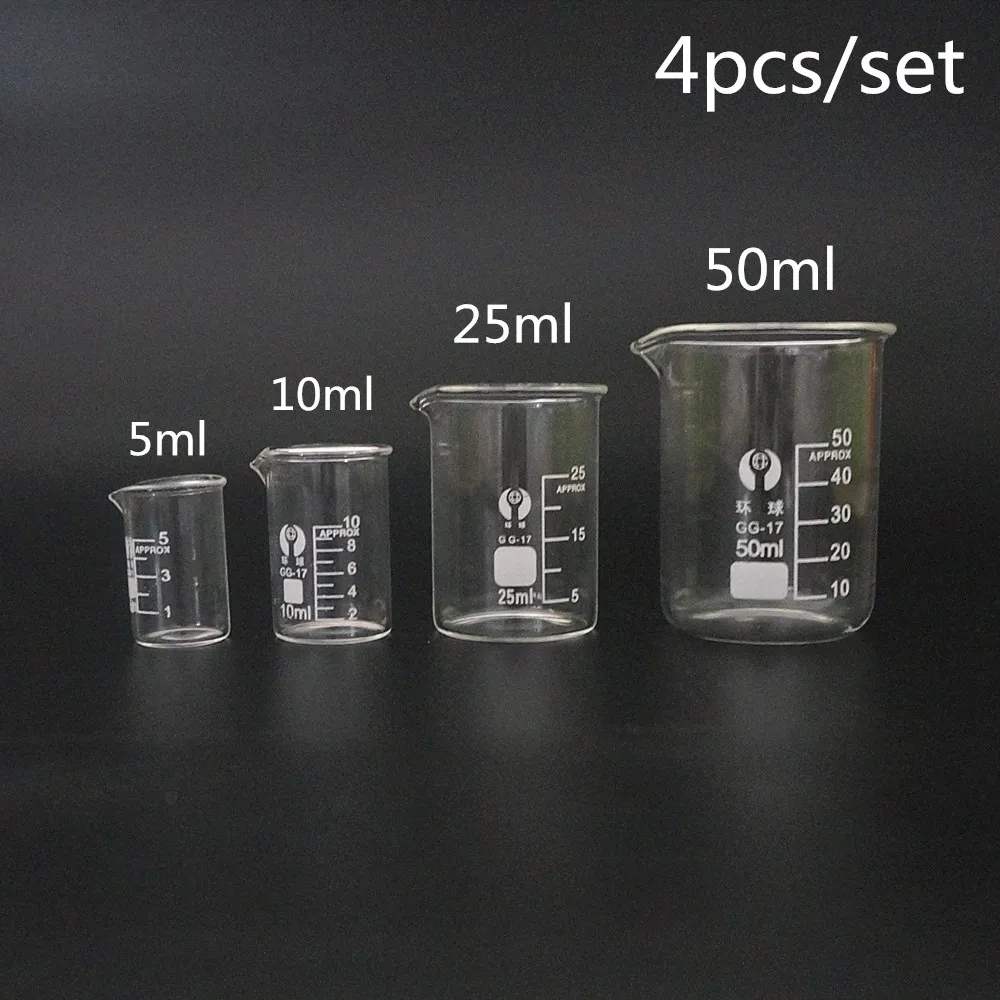
Most recipes call for standard sizes: 1 cup, 1/2 cup, 1/3 cup, and 1/4 cup. However, a kitchen measuring cup set that includes smaller sizes like 5ml, 10ml, 25ml, and 50ml can be incredibly useful for measuring small amounts of vanilla extract, oil, or other concentrated ingredients. These mini cups are often sold as lab beakers but work wonderfully in the kitchen. For more on measurement standards, check out Wikipedia’s article on measuring cups.
Common Mistakes to Avoid
One common error is using a liquid measuring cup for dry ingredients and vice versa. Liquid cups have a spout and are designed to be filled to the brim, while dry cups allow you to level off. Another mistake is ignoring the temperature of ingredients—some cups are not heat-resistant, so always check the manufacturer’s guidelines. Finally, don’t rely on estimation; even experienced cooks benefit from using a proper kitchen measuring cup for consistency.
The Verdict: Glass Beakers for Versatility
If you want a set that covers both big and small measurements, consider glass beakers like the 4pcs/set 5ml/10ml/25ml/50ml Glass Beaker Pyrex Beaker Lab Measuring Cup For Lab Or Kitchen Use. They are heat-resistant, easy to read, and perfect for both liquid and dry ingredients. Their small sizes are ideal for precise additions, and the borosilicate glass ensures durability. While designed for labs, they are equally at home in your kitchen.
4pcs/set 5ml/10ml/25ml/50ml Glass Beaker Pyrex Beaker Lab Measuring Cup For Lab Or Kitchen Use
For precise small measurements, consider the 4pcs/set 5ml/10ml/25ml/50ml Glass Beaker Pyrex Beaker Lab Measuring Cup For Lab Or Kitchen Use, which offers durable borosilicate glass and clear markings.
Frequently asked questions
What is the best material for a kitchen measuring cup?
Glass is often recommended for its clarity, heat resistance, and non-porous surface. It won’t absorb odors or stains and is microwave-safe. However, it can break if dropped. Stainless steel is durable but not transparent, while plastic is lightweight but may warp.
Can I use a liquid measuring cup for dry ingredients?
It’s not ideal. Liquid measuring cups have a spout and are meant to be filled to the brim, making it hard to level off dry ingredients. Dry measuring cups allow you to scoop and level for accuracy. However, many glass cups are dual-purpose if they have a flat rim.
How do I clean a glass measuring cup that has stubborn stains?
Soak the cup in warm, soapy water for 15 minutes, then scrub with a non-abrasive sponge. For tough stains, make a paste of baking soda and water, apply it, and let it sit before rinsing. Avoid using steel wool or harsh chemicals.
What sizes should a basic kitchen measuring cup set include?
A standard set typically includes 1 cup, 1/2 cup, 1/3 cup, and 1/4 cup. For smaller measurements, a set with 5ml, 10ml, 25ml, and 50ml is very helpful, especially for baking or adding extracts.
