
Blog
How to Choose a Retro Ceramic Plate for Your Home
Buying Guide
The Charm of a Retro Ceramic Plate
A retro ceramic plate brings warmth and nostalgia to any table setting. Whether you’re a collector or simply love vintage aesthetics, choosing the right piece requires a bit of know-how.
What Defines a Retro Ceramic Plate?
Retro ceramic plates typically draw inspiration from mid-20th century designs, featuring bold patterns, soft pastels, or earthy tones. They often have a slightly heavier feel than modern plates, with hand-painted or transfer-printed motifs. The term ‘retro’ isn’t strictly defined by age—many new plates are made in a retro style, using traditional ceramic techniques. You can learn more about the history of ceramics on Wikipedia.
Materials and Craftsmanship
Most retro ceramic plates are made from earthenware, stoneware, or porcelain. Earthenware is porous and often glazed; stoneware is denser and more durable; porcelain is delicate and translucent. Look for plates with a smooth, even glaze and no cracks or chips. Handmade pieces may have slight variations, adding character.
Glaze Quality
A good glaze should be free of pinholes and crazing (fine cracks). These imperfections can trap bacteria and shorten the plate’s life.
Patterns and Colors
Popular retro patterns include floral, geometric, and atomic motifs. Colors range from mint green and pink to mustard yellow and teal. Choose a pattern that complements your existing dinnerware or stands out as an accent piece. A retro ceramic plate with a unique print can become a conversation starter.
Size and Functionality
Consider how you’ll use the plate. Dinner plates (10-12 inches) are great for main courses; salad or dessert plates (7-9 inches) work for snacks or side dishes. Smaller plates (5-6 inches) can serve as bread plates or jewelry dishes. A versatile retro ceramic plate set might include multiple sizes for different purposes.
Caring for Your Retro Ceramic Plate
Most retro ceramic plates are dishwasher-safe, but hand washing is gentler on the glaze and patterns. Avoid abrasive cleaners and sudden temperature changes, which can cause cracking. Store plates with felt dividers if stacking to prevent scratches.
- Hand wash with mild detergent
- Avoid microwave if plate has metallic trim
- Dry thoroughly before storing
Where to Find Authentic Retro Plates
Thrift stores, estate sales, and online marketplaces are treasure troves for vintage plates. Look for maker’s marks on the back to identify origin and era. Modern reproductions are also widely available and often more affordable. When shopping for a retro ceramic plate, check for condition and authenticity.
Styling Tips for Your Table
Mix and match different retro patterns for an eclectic look, or stick to one theme for a cohesive set. Use a retro ceramic plate as a serving dish for appetizers or as a decorative wall piece. Pair with vintage cutlery and linen napkins to complete the aesthetic.
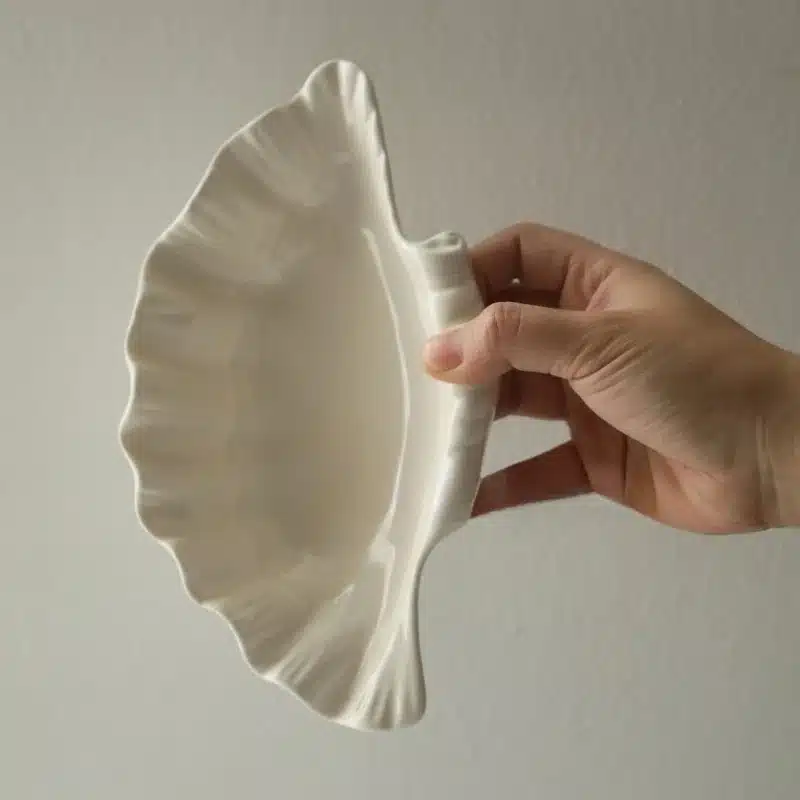
Shell Plate Cream Retro Ceramic Plate Fruit Snack Plate Dinner Tray Dish Set Jewelry Storage Dish Tableware Gift
For a versatile option, consider the Shell Plate Cream Retro Ceramic Plate, which doubles as a fruit snack plate, dinner tray, or jewelry dish.
Frequently asked questions
Can I use a retro ceramic plate in the microwave?
Only if the plate does not have metallic trim or decorations. Check the manufacturer’s label or test by microwaving a cup of water next to the plate for 30 seconds—if the plate gets hot, it’s not microwave-safe.
How do I identify the age of a retro ceramic plate?
Look for maker’s marks, stamps, or labels on the back. Research the brand and pattern online. Dating guides for ceramics can help narrow down the decade.
Is it safe to eat off vintage ceramic plates?
Generally yes, but avoid plates with cracked glaze or visible wear. Some vintage glazes may contain lead—if in doubt, use a home lead test kit or display the plate as decor.
How can I tell if a retro ceramic plate is hand-painted?
Hand-painted plates often show slight brush strokes, variations in color intensity, and uneven edges. Machine-made patterns are usually perfectly uniform.
