
Blog
How to Choose Hand Woven Table Mats: A Buyer’s Guide
Buying Guide
The Art of Hand Woven Table Mats
Hand woven table mats bring warmth and texture to any dining table. This guide will help you understand what to look for when choosing these artisanal pieces.
Why Choose Hand Woven Table Mats?
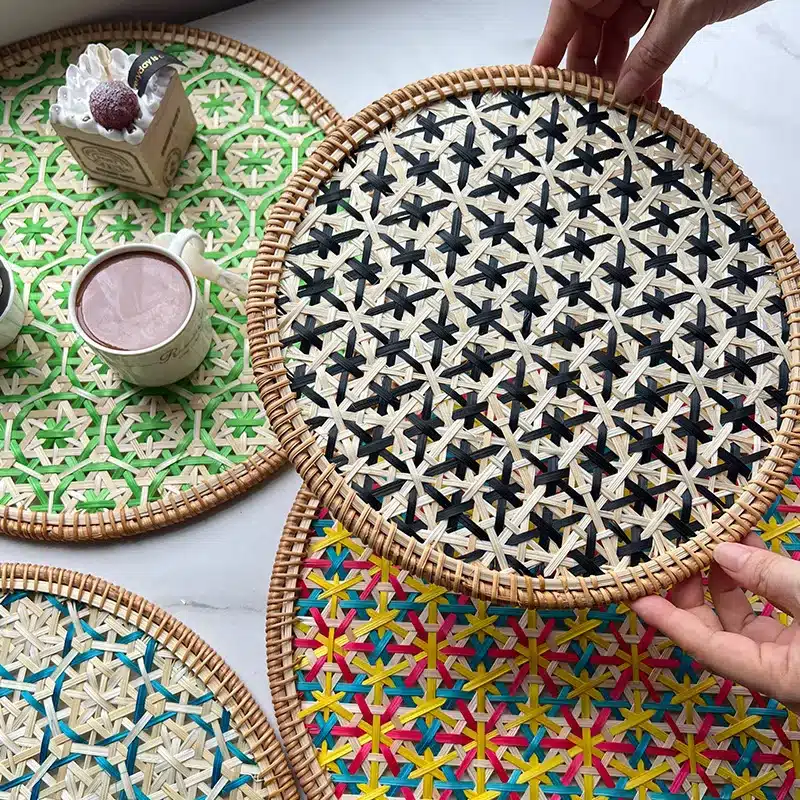
Hand woven table mats are more than just coasters; they are a celebration of traditional craftsmanship. Each mat is made by skilled artisans using natural fibers like rattan, seagrass, or jute, giving your table a unique, organic feel. Unlike mass-produced synthetic mats, hand woven pieces offer subtle variations in color and weave that add character to your dining experience.
Materials and Their Characteristics
Understanding the materials used in hand woven table mats helps you pick the right one for your needs. Common materials include:
- Rattan: Durable and flexible, rattan mats are lightweight and easy to clean. They have a natural golden hue that darkens over time.
- Seagrass: Known for its coarse texture and earthy tone, seagrass is highly absorbent and best used in low-humidity areas.
- Jute: Soft and lustrous, jute mats are biodegradable but less durable than rattan. They pair well with rustic decor.
- Bamboo: While technically a grass, bamboo is often woven into mats for its strength and smooth finish.
For those seeking a balance of durability and aesthetics, rattan is a popular choice. It withstands daily use and can be wiped clean with a damp cloth.
Weave Patterns and Aesthetics
The weave pattern of hand woven table mats affects both look and function. Common weaves include:
- Open weave: Allows crumbs to fall through, making cleanup easier. Ideal for casual dining.
- Tight weave: Provides a smooth surface for plates and glasses. Best for formal settings.
- Herringbone or twill: Adds visual interest and a textured feel.
Consider your table setting style. A tight, symmetrical weave suits minimalist decor, while an open, irregular weave complements bohemian or coastal themes.
How to Care for Hand Woven Table Mats
Proper care extends the life of your hand woven table mats. Here are some tips:
- Wipe spills immediately with a dry cloth. Avoid soaking the mats.
- Vacuum or shake off crumbs regularly.
- Keep away from direct sunlight to prevent fading and brittleness.
- Store flat or rolled, never folded, to avoid creases.
- For deep cleaning, use a mild soap solution and air dry completely.
If a mat becomes misshapen, lightly mist it with water and press under a heavy book overnight.
Where to Use Hand Woven Table Mats
While perfect for dining tables, hand woven table mats are versatile. Use them under potted plants, as a base for serving trays, or even as decorative wall hangings. Their natural texture adds warmth to any room.
Table Mats vs. Placemats
Table mats are smaller and designed for individual place settings, while placemats are larger and often cover more surface. For a cohesive look, choose mats that match or complement your existing tableware.
Environmental and Ethical Benefits
Choosing hand woven table mats supports sustainable practices. Materials like rattan and seagrass are renewable, and artisan weaving preserves traditional skills. By opting for natural fibers, you reduce plastic waste and contribute to a healthier planet. For more on sustainable materials, see Wikipedia’s article on rattan.
Making the Right Choice
When shopping, consider the size, shape, and color of your table. Round mats work well on circular tables, while rectangular mats suit long tables. Measure your table to ensure proper fit. Also, check the mat’s thickness: thicker mats offer more cushioning but may be harder to clean.
Remember, hand woven table mats are an investment in quality and style. They develop a patina over time, telling a story of shared meals and memories.
Hand Woven Round Placemat INS Table Decors Rattan weaving TableMats for Dining Room
For a durable and stylish option, consider our Hand Woven Round Placemat INS Table Decors Rattan weaving TableMats for Dining Room, which features a tight weave and natural rattan finish.
Frequently asked questions
Are hand woven table mats heat resistant?
Most natural fiber mats like rattan and seagrass can withstand moderate heat from plates, but avoid placing hot pots directly on them to prevent scorching.
How do I clean hand woven table mats?
Wipe with a damp cloth for light cleaning. For deeper cleaning, use a mild soap solution and let them air dry completely. Avoid machine washing.
Can hand woven table mats be used outdoors?
They are best for indoor use. Outdoor exposure to moisture and sunlight can cause fading and deterioration. If used outdoors, bring them inside after use.
How long do hand woven table mats last?
With proper care, they can last several years. Rattan and bamboo are more durable, while seagrass and jute may wear faster depending on usage.
