
Blog
A Buyer’s Guide to Japanese Ceramic Plates
Buying Guide
The Art of Japanese Ceramic Plates
Japanese ceramic plates are more than just tableware—they are a reflection of centuries of tradition and artistry. Whether you’re a collector or a home cook, understanding the nuances of these plates will help you choose pieces that bring beauty and function to your meals.
Why Choose Japanese Ceramic Plates?
Japanese ceramic plates are renowned for their exquisite craftsmanship, durability, and timeless beauty. Each piece is often handcrafted by skilled artisans using techniques passed down through generations. The natural clays and glazes used in Japanese ceramics create unique textures and colors that can’t be replicated by mass production. Beyond aesthetics, these plates are designed to enhance the dining experience—their shapes and depths are thoughtfully created to complement various cuisines, from delicate sushi to hearty stews.
Types of Japanese Ceramic Plates
Deep Plates (Mori-zara)
Deep plates, also known as mori-zara, are ideal for dishes with broth or sauce, such as ramen, udon, or curries. Their generous depth prevents spillage and keeps food warm longer. Many feature a wide rim that allows for artistic plating.
Shallow Plates (Hira-zara)
Shallow plates are perfect for appetizers, salads, or main courses where the food is the star. Their flat surface provides a canvas for beautiful arrangements, making them popular in both home and restaurant settings.
Turnip Plates (Kabu-zara)
Turnip plates are a unique style named for their resemblance to a turnip shape—often rounded with a slight indentation. They are versatile for serving small side dishes, condiments, or as individual serving plates for appetizers.
Key Features to Look For
- Material: Look for high-fired stoneware or porcelain, which is durable and non-porous. Some plates are made from earthenware, which offers a more rustic look but may be less durable.
- Glaze: Traditional glazes like celadon, tenmoku, or shino add depth and character. Avoid plates with lead-based glazes—most reputable Japanese ceramics are food-safe.
- Size and Depth: Consider your typical serving needs. Deep plates range from 5 to 8 inches in diameter, while shallow plates can be larger for sharing platters.
- Microwave and Dishwasher Safety: Many Japanese ceramic plates are microwave and dishwasher safe, but hand washing is recommended to preserve the glaze and decoration.
Caring for Your Japanese Ceramic Plates
To ensure your plates last for years, avoid sudden temperature changes—don’t place a cold plate directly into a hot oven. Use mild detergent and soft sponges; abrasive scrubbers can scratch the glaze. Stack plates with felt or paper separators to prevent scratching. For more on ceramic care, see this Wikipedia article on ceramic art.
How to Style Your Table with Japanese Ceramic Plates
Mix and match different shapes and glazes for an eclectic yet harmonious look. Use deep plates for main courses and shallow plates for starters. The natural earth tones of Japanese ceramics pair beautifully with wooden serving boards and linen napkins. Don’t be afraid to combine patterns—a rustic turnip plate next to a sleek celadon piece can create visual interest.
Where to Find Authentic Japanese Ceramic Plates
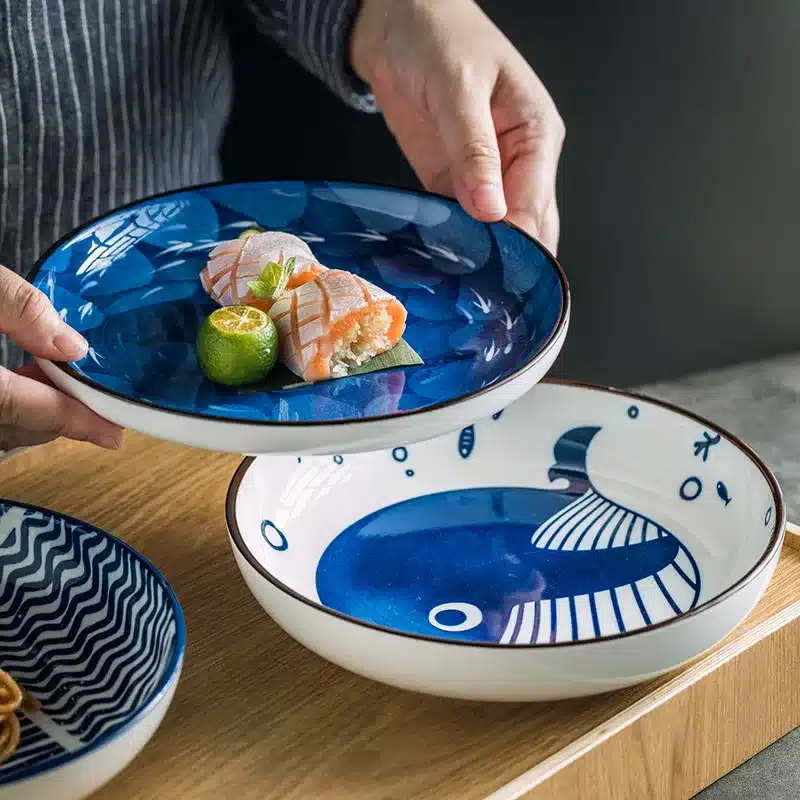
When shopping, look for markers like “Made in Japan” or stamps from specific kilns such as Arita, Seto, or Mashiko. Online marketplaces and specialty stores often carry a curated selection. One option to consider is the Japanese Ceramic Plate Household Turnip Plate Deep Plates Shallow Plate Turnip Dish Restaurant Hotel Creative Tableware Cooking, which offers a versatile set suitable for everyday use or special occasions.
Japanese Ceramic Plate Household Turnip Plate Deep Plates Shallow Plate Turnip Dish Restaurant Hotel Creative Tableware Cooking
For a versatile addition to your collection, the Japanese Ceramic Plate Household Turnip Plate set offers both deep and shallow options suitable for everyday meals or creative tableware displays.
Frequently asked questions
What are the main types of Japanese ceramic plates?
Japanese ceramic plates come in various types, including deep plates (mori-zara) for soups and stews, shallow plates (hira-zara) for entrees and salads, and specialty shapes like turnip plates (kabu-zara) for small dishes.
Are Japanese ceramic plates safe for microwave and dishwasher?
Many Japanese ceramic plates are microwave and dishwasher safe, but it depends on the specific glaze and firing process. Always check the manufacturer’s instructions. Hand washing is recommended to preserve the finish.
How can I identify authentic Japanese ceramic plates?
Look for stamps or markings indicating the kiln origin, such as ‘Arita,’ ‘Seto,’ or ‘Mashiko.’ The words ‘Made in Japan’ or ‘日本製’ are also good indicators. Authentic pieces often have slight irregularities that highlight their handcrafted nature.
What is the best way to store Japanese ceramic plates?
Store plates in a dry place, away from direct sunlight. Use felt or paper separators between stacked plates to prevent scratching. Avoid stacking heavy plates on top of delicate ones.
