
Blog
The Ultimate Guide to Choosing a Glass Lunch Box
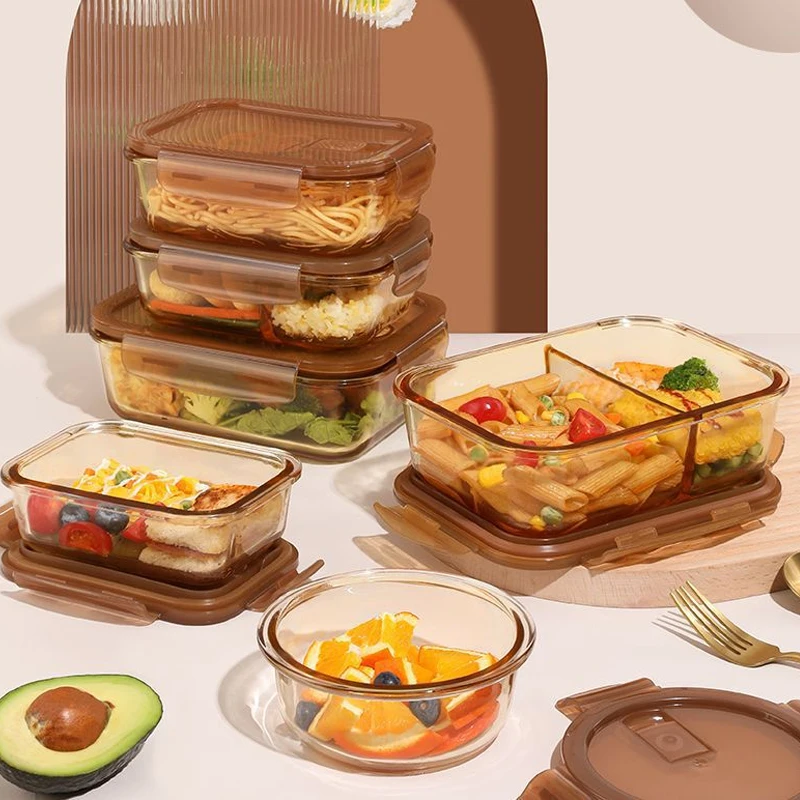
Meal Prep Essentials
Find Your Perfect Glass Lunch Box Today
A glass lunch box is more than just a container—it’s a commitment to healthier eating and a greener planet. Whether you’re meal prepping for the week or packing a daily lunch, choosing the right one can make all the difference.
Why Switch to a Glass Lunch Box?
Plastic containers leach chemicals, stain easily, and warp over time. A glass lunch box offers a non-toxic alternative that keeps food fresh and safe. Glass is non-porous, so it won’t absorb odors or flavors from your meals. Plus, it’s endlessly recyclable, reducing your environmental footprint. Whether you’re heating leftovers or packing a salad, glass provides peace of mind.
Key Features to Look For
When shopping for a glass lunch box, consider these factors:
- Borosilicate vs. Soda-Lime Glass: Borosilicate glass withstands thermal shock better, making it ideal for freezer-to-oven transitions. Soda-lime glass is more common but less resistant to sudden temperature changes.
- Leak-Proof Lids: A silicone seal and sturdy locking clips prevent spills. Look for BPA-free plastic lids or bamboo options.
- Compartment Design: Divided boxes help keep foods separate, while single-compartment ones are versatile for soups or stews.
- Size and Portability: Choose a capacity that fits your appetite and bag. Rectangular shapes stack efficiently.
How to Properly Use and Maintain Your Glass Lunch Box
To extend the life of your glass lunch box, follow these tips:
- Preheat gradually: Never place a cold glass container into a hot oven. Let it come to room temperature first.
- Avoid thermal shock: Don’t pour boiling water into a frozen glass box. Thaw in the fridge overnight.
- Hand wash lids: Silicone seals can degrade in the dishwasher. Wash glass base on the top rack or by hand.
- Remove lid before microwaving: Steam buildup can warp plastic lids. Use a microwave cover instead.
For more on glass properties, check out this Wikipedia article on glass.
Benefits of Meal Prepping with Glass
Using a glass lunch box for meal prep saves time and money. You can cook in bulk, portion out meals, and store them in the fridge or freezer. Glass containers go from oven to table, reducing cleanup. They’re also perfect for sous vide cooking or reheating without transferring to another dish. A glass lunch box helps you eat healthier by controlling portions and ingredients.
Comparing Glass Lunch Boxes to Other Materials
Stainless steel is lightweight but not microwave-safe. Plastic is cheap but degrades. Silicone collapsible boxes are space-saving but lack rigidity. Glass strikes the best balance of durability, safety, and versatility. It’s transparent, so you can see contents at a glance. While heavier, the benefits outweigh the weight for most users.
Eco-Friendly and Health-Conscious Choice
Switching to a glass lunch box reduces single-use plastic waste. Glass is made from natural materials and can be recycled endlessly. It’s free from harmful chemicals like BPA, phthalates, and lead. By choosing glass, you protect your health and the planet. Many glass lunch boxes are designed to last for years, making them a cost-effective investment.
Tips for Buying Online
Read reviews focusing on lid durability and seal effectiveness. Check dimensions to ensure it fits your bag. Look for tempered glass that is shatter-resistant. Some brands offer lifetime warranties. Our Rectangular Glass Crisper Lunch Box Microwave Lunch Box Heat-resistant Sealed Lunch Box Kitchen Utensils Household Tableware meets all these criteria with a secure seal and sturdy build.
Rectangular Glass Crisper Lunch Box Microwave Lunch Box Heat-resistant Sealed Lunch Box Kitchen Utensils Household Tableware
Our Rectangular Glass Crisper Lunch Box offers a reliable, heat-resistant option with a secure seal for daily use.
Frequently asked questions
Can I put a glass lunch box in the freezer?
Yes, most glass lunch boxes are freezer-safe, especially those made from borosilicate glass. Allow the container to cool before freezing, and avoid sudden temperature changes to prevent breakage.
Is it safe to microwave a glass lunch box?
Yes, glass lunch boxes are microwave-safe. Remove the plastic lid before microwaving to avoid warping. Use a microwave-safe cover or paper towel to prevent splatters.
How do I remove odors from a glass lunch box?
Glass is non-porous, so it doesn’t absorb odors. For stubborn smells, wipe with a paste of baking soda and water, or soak in white vinegar solution. Rinse thoroughly.
Are glass lunch boxes dishwasher safe?
The glass base is dishwasher safe, but hand washing the lid (especially silicone seals) is recommended to maintain its longevity. Check the manufacturer’s instructions.
