
Blog
The Ultimate Guide to Microwave Safe Plates
Buying Guide
Choose the Best Microwave Safe Plates
If you’re looking for microwave safe plates, you’ve come to the right place. This guide will help you understand what makes a plate safe for microwave use and how to pick the perfect set for your home.
Why Microwave Safe Plates Matter
Not all plates are created equal when it comes to microwave use. Using the wrong type can lead to cracking, leaching of harmful chemicals, or even fires. Microwave ovens work by agitating water molecules, and materials that don’t interact well can cause problems. That’s why choosing microwave safe plates is essential for both safety and durability.
Materials That Are Microwave Safe
When shopping for microwave safe plates, look for these materials:
- Glass: Borosilicate or tempered glass is excellent. Avoid thin glass that may shatter.
- Ceramic: Most stoneware and porcelain are safe, but check for metallic trim.
- Melamine: Not microwave safe! Melamine can leach chemicals when heated.
- Paper and Plastic: Only if labeled microwave safe; otherwise, they can warp or melt.
How to Test If a Plate Is Microwave Safe
If you’re unsure about a plate, try this simple test: Place the plate in the microwave next to a cup of water. Heat on high for one minute. If the plate feels hot, it’s absorbing microwaves and should not be used. If it’s cool and the water is hot, it’s likely microwave safe.
Features to Look for in Microwave Safe Plates
Beyond safety, consider these features when choosing microwave safe plates:
- Heat Resistance: Plates should withstand high temperatures without warping.
- No Metallic Accents: Gold or silver rims can spark and damage your microwave.
- Easy to Clean: Dishwasher-safe options save time.
- Stackability: For compact storage.
Caring for Your Microwave Safe Plates
To extend the life of your microwave safe plates, follow these tips:
- Always use oven mitts when removing hot plates.
- Avoid sudden temperature changes (e.g., from fridge to microwave).
- Don’t microwave empty plates, as they can overheat.
- Check for cracks or chips, which can worsen with heat.
Common Myths About Microwave Safe Plates
Let’s debunk a few misconceptions:
- Myth: All ceramic is safe. Truth: Some ceramics have metallic glazes.
- Myth: Plastic containers are always safe. Truth: Only if labeled microwave safe.
- Myth: You can microwave any glass. Truth: Thin glass may shatter; use tempered glass.
Choosing the Right Set for Your Home
When selecting a dinnerware set, consider how often you use the microwave. If you reheat leftovers daily, invest in high-quality microwave safe plates. Look for sets that include matching mugs and bowls for a cohesive look. The right set combines safety, style, and practicality.
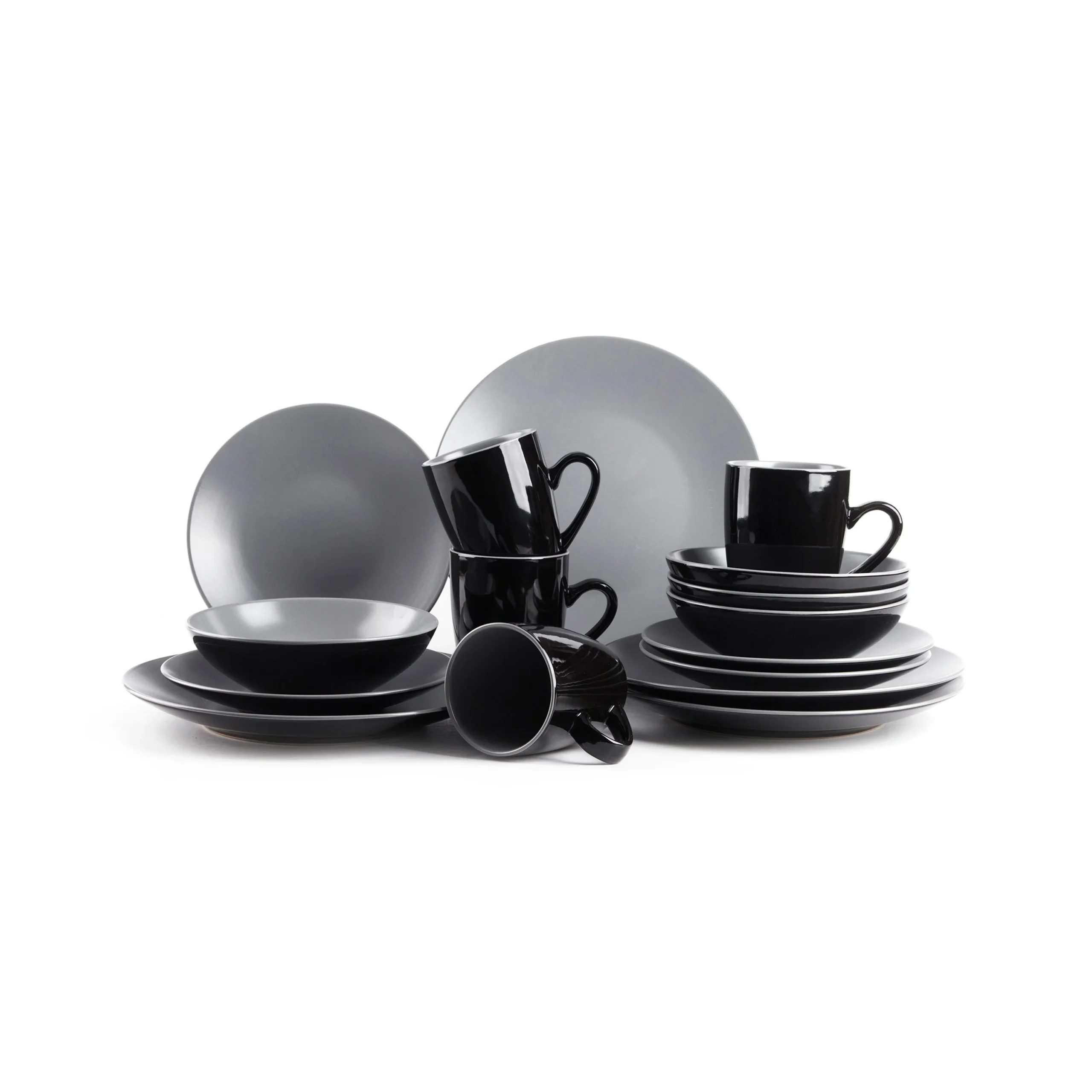
Semtember Promotion Round Kitchen Plates Set With Coffee Mug Elegant High End Microwave Oven Safe Dinnerware Sets for Home Use
For a reliable option that combines elegance and safety, consider the Semtember Promotion Round Kitchen Plates Set With Coffee Mug, which is designed to be microwave oven safe for everyday use.
Frequently asked questions
Can I microwave plates with gold or silver trim?
No, metallic trims can cause sparking and damage your microwave. Always choose plates without metallic accents for microwave use.
Are Corelle plates microwave safe?
Yes, Corelle plates are typically microwave safe as they are made from tempered glass. However, always check the manufacturer’s label to be sure.
How do I know if a plate is microwave safe?
Look for a label or symbol on the bottom of the plate indicating it’s microwave safe. You can also perform the water test described in this guide.
Can I use plastic plates in the microwave?
Only if they are specifically labeled microwave safe. Many plastic plates can warp or release harmful chemicals when heated.
