
Blog
The Ultimate Guide to Choosing a Silicone Cake Mold
Baking Essentials
Find Your Perfect Silicone Cake Mold
A silicone cake mold can revolutionize your baking experience, offering flexibility and non-stick convenience. Whether you’re a novice or a pro, choosing the right mold matters.
Why Choose a Silicone Cake Mold?
Silicone cake molds are a game-changer in the kitchen. Unlike traditional metal or glass pans, they are flexible, non-stick, and heat-resistant. This means your cakes, muffins, and gelatin desserts pop out effortlessly without greasing. Plus, they withstand temperatures from -40°F to 446°F, making them suitable for baking, freezing, and even microwaving. Their durability ensures they last for years, saving you money and hassle.
Key Features to Look For
When shopping for a silicone cake mold, consider these factors:
- Material Quality: Look for 100% food-grade silicone, free from fillers. It should be odorless and BPA-free.
- Flexibility: A good mold bends easily for quick release without tearing.
- Heat Resistance: Ensure it can handle oven temperatures up to at least 428°F.
- Stability: Some molds come with a metal frame or reinforced edges to prevent tipping when filled with batter.
- Ease of Cleaning: Silicone is dishwasher-safe, but hand washing with mild soap extends its life.
Common Uses Beyond Cakes
A silicone cake mold isn’t just for cakes. Its versatility shines in making chocolates, ice cubes, jelly, pudding, and even soap. For example, Halloween-themed molds can create spooky treats like pumpkin-shaped chocolates or mousse. The non-stick surface ensures intricate details come out perfect every time. You can also use them for freezing homemade baby food or broth into portioned cubes.
How to Care for Your Silicone Mold
To maximize your mold’s life, follow these tips:
- First Use: Wash with warm soapy water to remove manufacturing residues.
- Baking: Place the mold on a baking sheet for stability, especially if it’s a flexible design.
- Cleaning: Avoid abrasive sponges; use a soft cloth. Silicone can absorb odors, so soak in vinegar solution if needed.
- Storage: Keep flat or hang to prevent creases that can trap food.
For more on silicone safety, check out Wikipedia’s silicone page.
Size and Shape Considerations
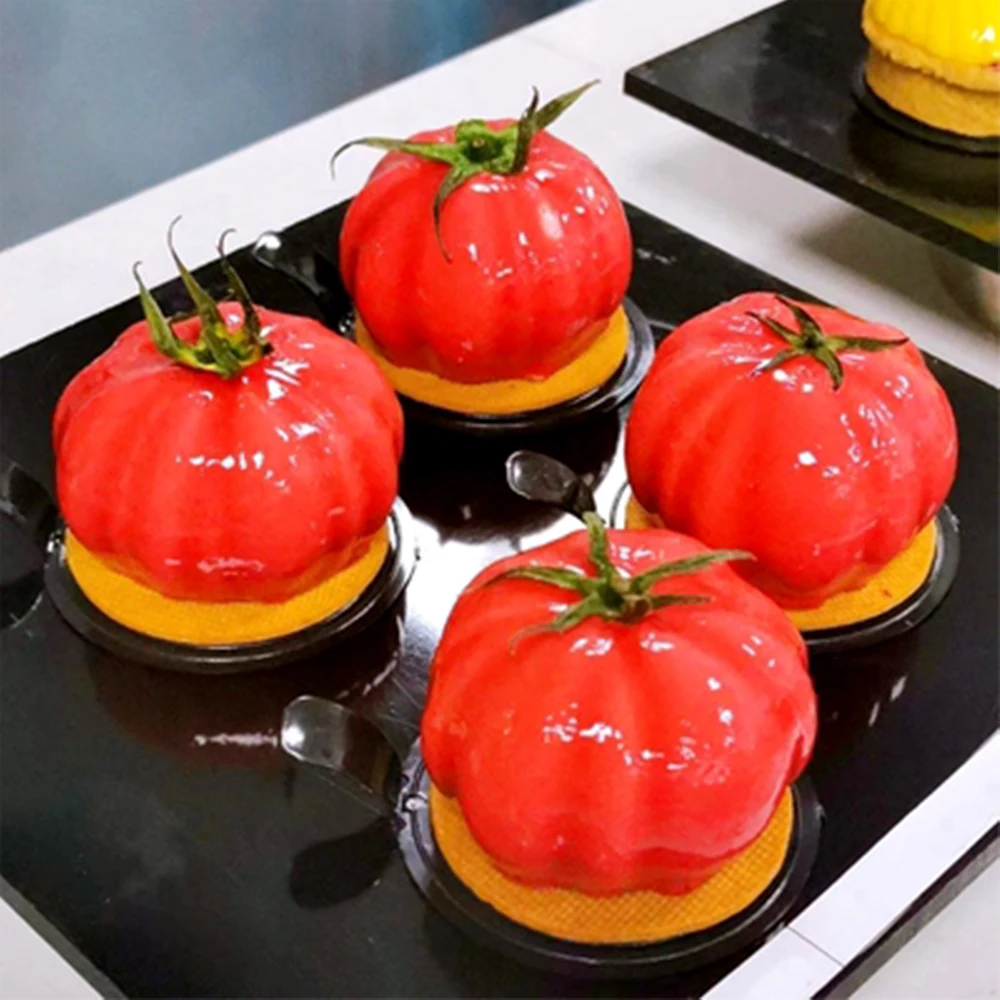
Molds come in countless shapes—from classic rounds to intricate flowers and characters. Consider your typical baking volume: a 6-cavity mold like the Tomato Silicone Cake Mold is great for individual servings, while larger single-cavity molds work for full-size cakes. Also, measure your oven to ensure the mold fits comfortably.
Alternatives to Silicone
While silicone is popular, other materials have their merits. Metal pans conduct heat evenly for crisp edges, but require greasing. Glass or ceramic are non-reactive but heavy and prone to sticking. Silicone offers the best of both worlds: lightweight, non-stick, and easy to store. For delicate items like mousse or jelly, silicone is unbeatable because you can chill and unmold without damage.
Final Thoughts on Silicone Cake Molds
Investing in a high-quality silicone cake mold elevates your baking game. Whether you’re making everyday muffins or festive Halloween treats, the right mold ensures success. Remember to prioritize food-grade materials and proper care for long-lasting performance. Happy baking!
6 cell Tomato Silicone Cake Mold Halloween Pumpkin Chocolate Mousse Ice Cream Jelly Pudding Dessert Bakeware Pan Decorating Tool
For a versatile option, consider the 6-cell Tomato Silicone Cake Mold, perfect for Halloween pumpkin treats, chocolate mousse, ice cream, jelly, pudding, and more.
Frequently asked questions
Can I use a silicone cake mold in a microwave?
Yes, most silicone cake molds are microwave-safe. However, always check the manufacturer’s temperature limits. For best results, use low to medium power and avoid empty heating.
Does silicone affect the taste of baked goods?
No, food-grade silicone is inert and does not impart any flavor or odor to your food. Ensure you buy from reputable brands to avoid low-quality silicones that might have a smell.
How do I prevent a silicone mold from tipping over?
Place the mold on a rigid baking sheet before filling with batter. This provides stability and makes it easier to transfer to the oven. Some molds come with a metal frame for added support.
Can I use a silicone cake mold for freezing?
Absolutely! Silicone molds are excellent for freezing liquids like juice, soup, or purees. The flexibility allows easy removal of frozen cubes. Just ensure the mold is freezer-safe (typically down to -40°F).
