
Blog
The Ultimate Guide to Choosing a Japanese Cake Pan
Baking Essentials
Find the Perfect Japanese Cake Pan for You
A Japanese cake pan can transform your baking, creating delicate shapes and even heating. Whether you’re making castella, dorayaki, or classic pound cake, the right pan matters.
Why a Japanese Cake Pan Stands Out
Japanese cake pans are renowned for their precision engineering and high-quality materials. They often feature non-stick coatings, even heat distribution, and unique shapes that help you create professional-looking desserts. Unlike standard pans, these are designed with attention to detail—think sharp edges for madeleines or fluted sides for bundt-style cakes. The result? Cakes that release easily and bake uniformly every time.
Key Materials: Aluminum, Steel, and Silicone
The material of your Japanese cake pan affects performance and longevity. Aluminum pans heat quickly and evenly, ideal for delicate sponge cakes. Carbon steel offers durability and excellent heat retention, perfect for pound cakes. Silicone molds are flexible and non-stick, great for intricate designs. For most bakers, a heavy-gauge aluminum pan with a non-stick coating strikes the best balance. Always check if the pan is dishwasher-safe—hand washing extends its life.
Popular Shapes and Their Uses
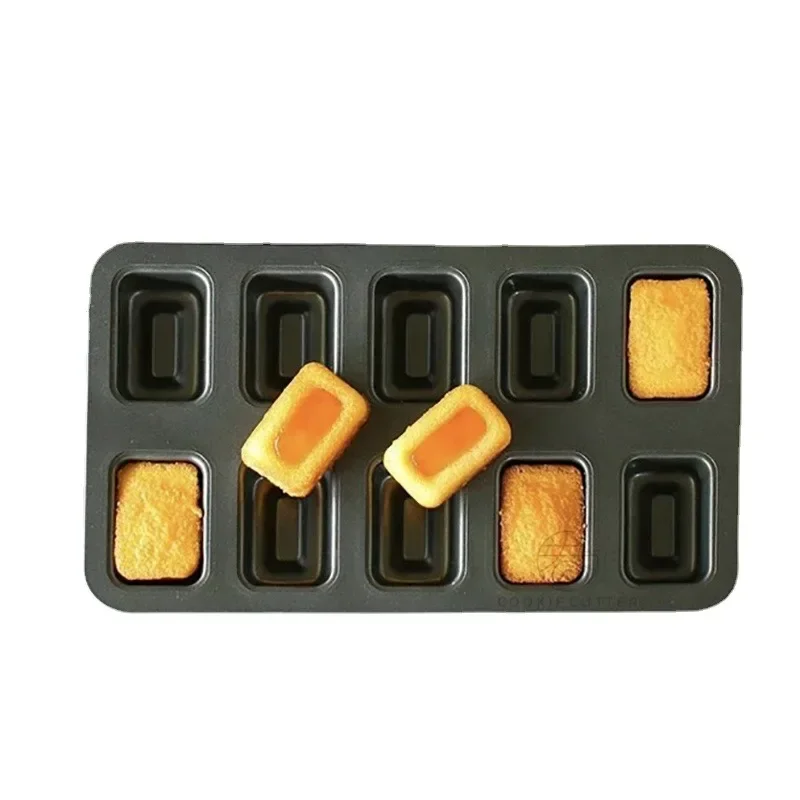
Japanese cake pans come in an array of shapes: rectangular for pound cake, scalloped for madeleines, fish-shaped for taiyaki, and flower or shell molds for petits fours. A Japanese cake pan for madeleines typically has deep, scalloped cavities that create the signature bump. For castella, a tall, rectangular pan is essential. If you enjoy variety, a set like the Japanese Cake Baking Tray Metal Baking Mold 10-Piece Bakeware includes multiple shapes—from madeline to fisher to south pound cake—letting you experiment with different bakes without buying separate pans.
Choosing Based on Your Recipe
Match the pan to the batter: thin batters need tight molds to hold shape; thick batters can handle deeper pans. For example, madeleine batter is best in a shallow scalloped pan, while financier batter works in small rectangular molds. Always grease the pan thoroughly, even if it claims non-stick.
Non-Stick Coatings: What to Look For
A good non-stick coating is crucial for a Japanese cake pan. Look for PTFE-free options if you prefer eco-friendly choices, or traditional PTFE for reliable release. The coating should be even and thick—avoid pans with thin or patchy finishes. Silicone-based coatings are gaining popularity for their durability and ease of cleaning. To prolong the coating, use wooden or silicone utensils and avoid metal scouring pads.
Caring for Your Japanese Cake Pan
Proper care ensures your pan lasts for years. After each use, wash with warm soapy water and a soft sponge. Dry immediately to prevent rust (especially for steel pans). Store in a dry place, and if stacking, place a paper towel between pans to protect the coating. Never use cooking sprays with lecithin, as they can build up and ruin the non-stick surface. Instead, brush with butter or oil.
Where to Find Quality Japanese Cake Pans
You can find authentic Japanese cake pans at specialty kitchen stores, online marketplaces, and directly from manufacturers. For a reliable option, consider the Japanese Cake Baking Tray Metal Baking Mold 10-Piece Bakeware set, which includes multiple shapes and is made from heavy-duty carbon steel with a non-stick coating. It’s a versatile choice for both beginners and experienced bakers. For more on the history of cake pans, check out this Wikipedia article.
Final Tips for Perfect Cakes
- Always preheat the pan with the oven for even baking.
- Fill cavities only 2/3 full to allow for rising.
- Cool cakes in the pan for 5 minutes before turning out.
- Rotate the pan halfway through baking if your oven has hot spots.
With the right Japanese cake pan, you’ll achieve bakery-quality results at home. Happy baking!
Japanese Cake Baking Tray Metal Baking Mold 10-Piece Bakeware Madeline Cake Fisher South Pound Cake Bakery Kitchen Accessories
For a versatile start, consider the Japanese Cake Baking Tray Metal Baking Mold 10-Piece Bakeware, which includes multiple shapes to explore different bakes.
Frequently asked questions
What is a Japanese cake pan used for?
A Japanese cake pan is used for baking traditional Japanese sweets like castella, madeleines, dorayaki, and pound cakes. Its precise design ensures even baking and easy release.
How do I season a new Japanese cake pan?
Most non-stick Japanese cake pans don’t require seasoning. Simply wash with mild soap, dry, and lightly grease before first use. For uncoated steel pans, rub with oil and heat in the oven for 30 minutes.
Can I use metal utensils on a Japanese cake pan?
It’s best to avoid metal utensils to prevent scratching the non-stick coating. Use silicone, wood, or nylon tools instead.
What size Japanese cake pan is best for beginners?
A medium-sized rectangular pan (about 8×4 inches) for pound cake or a madeleine pan with 12 cavities is great for beginners. They are versatile and easy to handle.
