
Blog
Best Silicone Bakeware: Your Guide to Non-Stick Baking
Baking Essentials
Choosing the Best Silicone Bakeware for Your Kitchen
Finding the best silicone bakeware can transform your baking experience, making it easier to release delicate treats without greasing or sticking.
Why Silicone Bakeware Is Worth Considering
Silicone bakeware has gained popularity for its flexibility and non-stick properties. Unlike metal pans, silicone molds flex to release baked goods effortlessly, reducing the need for excess butter or oil. They are also lightweight and easy to store. However, not all silicone bakeware is created equal. When looking for the best silicone bakeware, consider factors like material quality, temperature range, and durability. Pure silicone (platinum or food-grade) is inert and safe for oven use up to around 450°F (232°C). Avoid products with fillers that can emit odors or degrade over time.
Key Features of the Best Silicone Bakeware
To find the best silicone bakeware, look for these characteristics:
- 100% Food-Grade Silicone: No fillers or BPA. Check labels for certification.
- Heat Resistance: Should withstand at least 400°F. Some go up to 500°F.
- Rigidity: While flexible, it should hold its shape when filled. Thicker walls help.
- Even Baking: Silicone doesn’t brown as well as metal, but quality molds promote even heat distribution.
- Easy Release: A light dusting of flour or cocoa powder can help, but good molds release cleanly.
For more on silicone safety, see Wikipedia’s silicone page.
How to Choose the Right Silicone Bakeware for Your Needs
Consider what you bake most. For muffins and cupcakes, a sturdy silicone muffin pan is ideal. For delicate mousse or pudding cups, look for molds with smooth interiors and stable bases. If you’re into cake decorating, small silicone molds for chocolate or fondant accents can be a game-changer. The best silicone bakeware for you depends on your recipes. Silicone is especially great for sticky batters and frozen desserts. Remember that silicone pans may need a longer bake time or slightly lower temperature; always follow recipe adjustments.
Caring for Your Silicone Bakeware
To keep your best silicone bakeware in top shape:
- Wash with warm soapy water or in the dishwasher (top rack).
- Avoid sharp utensils that can cut the surface.
- Store flat or rolled (if flexible) without creasing.
- Do not expose to direct flame or broiler.
Proper care extends the life of silicone. Over time, it may discolor but remain functional.
Tips for Baking with Silicone Molds
Baking with silicone requires a few tweaks. Place silicone molds on a baking sheet for stability when filling and moving. Fill cavities evenly and avoid overfilling. Cool completely before unmolding; silicone retains heat longer. For sticky items like brownies, refrigerate briefly for cleaner release. While silicone naturally releases well, a light spray of oil can help for very intricate shapes.
Common Myths About Silicone Bakeware
Some bakers worry silicone isn’t as durable or can’t produce crispy crusts. Truth: high-quality silicone lasts for years and won’t rust. It’s ideal for soft bakes like cakes and muffins, but less for crispy items. Another myth is that silicone leaches chemicals—food-grade silicone is inert and safe. Always buy from reputable brands to ensure purity.
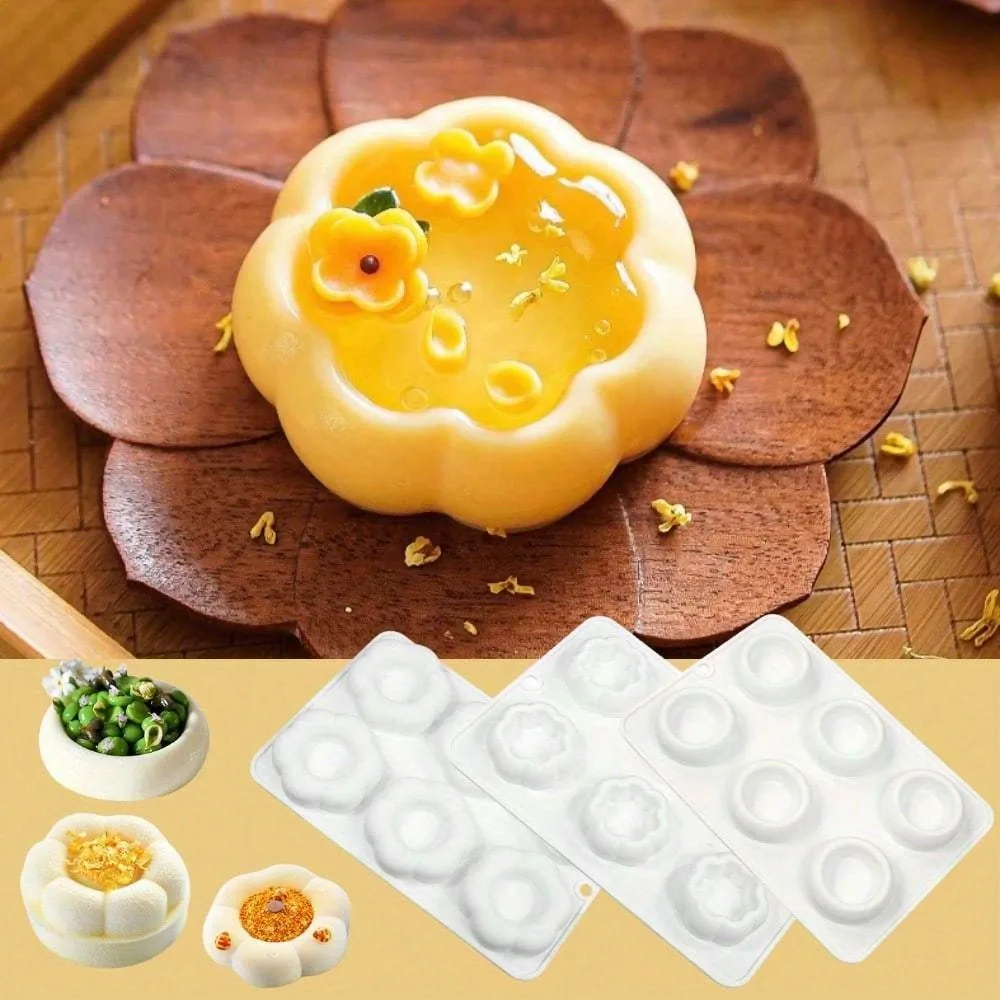
Silicone Pudding Cup Mold Chocolate Mousse and Cake Decorating Tools Bakeware Dish Muffin Pan Non-Stick Baking Supplies
For precise pudding cups and cake decorating, our Silicone Pudding Cup Mold offers flexible release and easy cleanup, making it a reliable addition to your kitchen.
Frequently asked questions
Is silicone bakeware safe to use in the oven?
Yes, food-grade silicone is safe for oven use up to 450°F. Always check the manufacturer’s temperature limits.
Do I need to grease silicone bakeware?
Most silicone molds are non-stick, but a light spray of oil can help with very sticky batters or intricate shapes.
Can silicone bakeware go in the dishwasher?
Yes, most silicone bakeware is dishwasher safe. Place on the top rack to avoid direct heat.
Does silicone bakeware affect baking time?
Silicone can require slightly longer baking times (5-10%) because it doesn’t conduct heat as efficiently as metal. Check for doneness with a toothpick.
