
Blog
The Ultimate Coffee Bar Cabinet Buying Guide
Buying Guide
Find Your Perfect Coffee Bar Cabinet
A coffee bar cabinet transforms your morning ritual into a cherished moment. Whether you’re a casual sipper or a dedicated enthusiast, the right cabinet keeps your gear organized and within reach.
Why a Coffee Bar Cabinet Changes Everything
If you love coffee but hate clutter, a dedicated coffee station is a game-changer. Instead of hunting for mugs and filters, everything lives in one spot. This isn’t just about tidiness—it’s about creating a small ritual that starts your day with intention.
A well-designed coffee bar cabinet can turn a corner of your kitchen, dining room, or even a hallway into a cozy nook. The key is choosing a piece that fits your space and your brewing style. Let’s explore what makes a cabinet truly functional and beautiful.
Key Features to Look For in a Coffee Bar Cabinet
Before you start shopping, consider how you make coffee. Do you use a drip machine, an espresso maker, or a pour-over setup? Each requires different storage. Here are the features that matter most:
- Counter space: Enough room for your machine and a prep area.
- Shelving: Adjustable shelves accommodate mugs, syrups, and beans.
- Cabinets or drawers: Hide away coffee bags, filters, and accessories.
- Wine or stemware rack: A bonus if you entertain.
- Power outlet access: For plugging in appliances.
Measure your space carefully. A cabinet that’s too large overwhelms the room; one too small frustrates you daily. Aim for a depth that allows your machine to sit flush or slightly recessed.
Material and Style Choices
The material of your coffee bar cabinet sets the tone for your space. Solid wood offers warmth and durability, while engineered wood can be more budget-friendly. Consider the finish: matte black for a modern look, white for a clean aesthetic, or natural wood for a rustic feel.
Style matters too. A mid-century cabinet with tapered legs adds retro charm. A sleek, handle-less cabinet feels contemporary. For a farmhouse vibe, look for distressed finishes and hardware. The best choice is one that complements your existing decor—not fights it.
Don’t forget about the interior. A back panel with a design or mirror can make the cabinet feel like a piece of art. And if you’re short on space, consider a cabinet with a fold-down door that doubles as a work surface.
Organizing Your Coffee Bar Cabinet for Efficiency
Once you have your cabinet, organization is key. Group items by use: daily essentials on the counter, backup supplies in drawers or upper shelves. Use small containers or jars for sugar, tea bags, and stir sticks. A magnetic strip on the side can hold metal tins or tools.
Think about workflow. Place your machine on the dominant hand side, mugs above or nearby, and your coffee beans or pods within easy reach. Keep a small tray for used pods or grounds to catch messes. The goal is a seamless morning flow—no extra steps, no wasted time.
Maximizing Vertical Space
If your cabinet has open shelves, use risers or small baskets to create tiers. This lets you see everything at a glance. For closed cabinets, pull-out drawers are a lifesaver for deep spaces. You can also install hooks on the inside of doors for aprons or measuring spoons.
Where to Place Your Coffee Bar Cabinet
Location is everything. The most common spot is the kitchen, but a coffee bar cabinet can thrive in a dining room, home office, or even a bedroom if you have a tray. Avoid placing it near the stove or sink where heat and moisture can damage the cabinet and your coffee.
Consider traffic flow. You don’t want to block pathways or create bottlenecks. If you’re tight on space, look for narrow cabinets (12-18 inches wide) that can fit between appliances or in a corner. A rolling cart-style cabinet offers flexibility—wheel it where you need it.
Lighting also matters. If possible, position your cabinet near a window or under a cabinet light. Good lighting makes the coffee-making process more enjoyable and safer.
Maintenance and Care Tips
To keep your coffee bar cabinet looking its best, wipe up spills immediately. Coffee grounds and liquids can stain wood and finishes. Use coasters for hot mugs and placemats under machines to prevent scratches. Dust regularly, especially on open shelves.
Every few months, do a deep clean. Empty the cabinet, wipe down all surfaces, and check for any loose hardware. Tighten screws and lubricate drawer slides if needed. With proper care, a quality cabinet can last for years.
For more information on coffee storage best practices, check out this guide to coffee preparation.
Choosing the Right Size for Your Space
Size is non-negotiable. Measure the height, width, and depth of your designated area. Don’t forget to account for door swings and outlet placement. A common mistake is buying a cabinet that’s too deep, making it hard to reach the back. Standard counter depth is around 24 inches, but for a coffee station, 18-20 inches often works better.
If you have high ceilings, consider a taller cabinet with extra storage above. For low ceilings, a shorter cabinet with a hutch can add vertical storage without overwhelming the room. Always leave at least 2 inches of clearance on each side for airflow and easy access.
When in doubt, sketch your space with dimensions. Visualizing the cabinet in the room helps avoid costly mistakes. And remember: a cabinet that fits perfectly will look custom, even if it’s off-the-shelf.
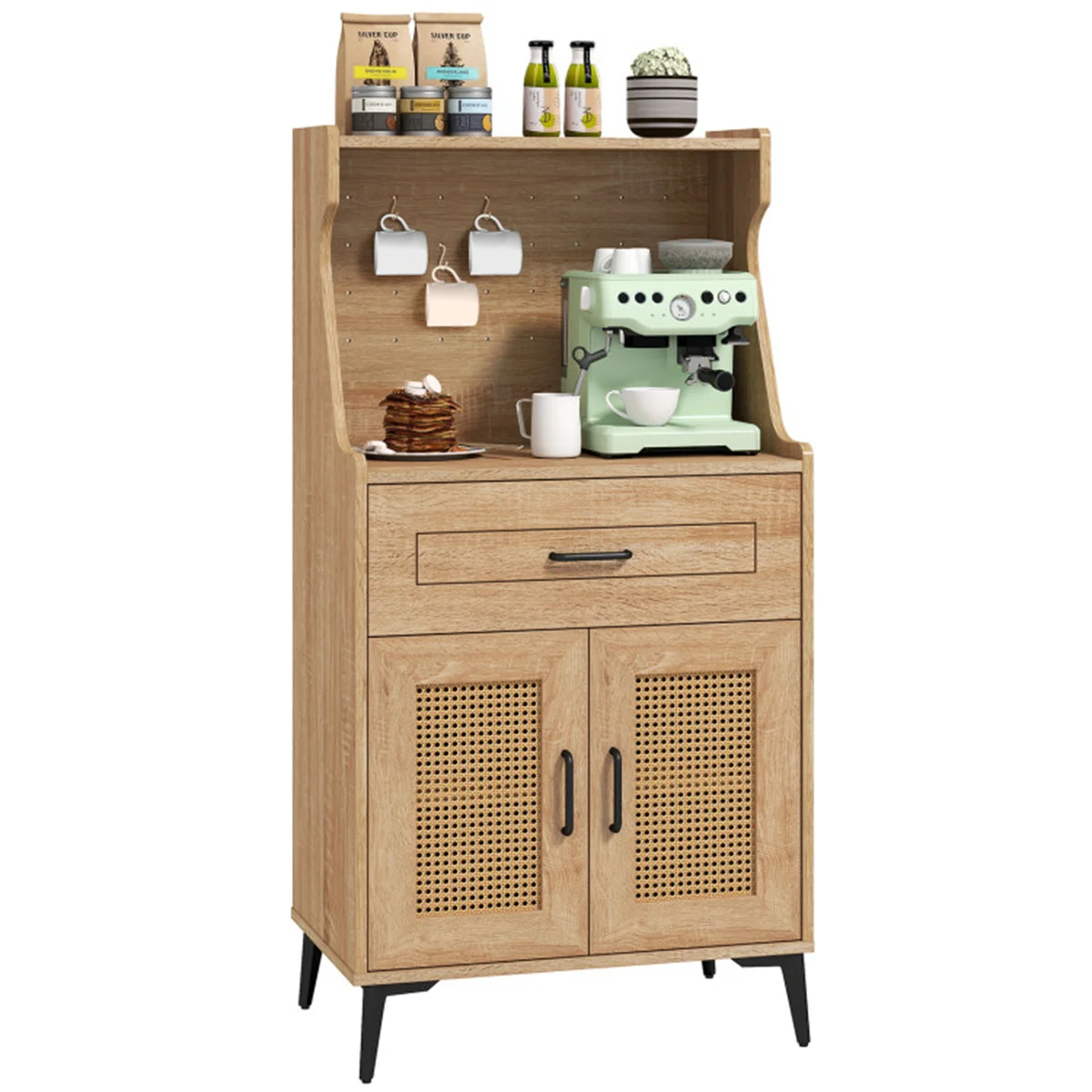
Coffee bar Cabinet Storage Cabinet
For a versatile and sturdy option, consider the Coffee bar Cabinet Storage Cabinet—it offers adjustable shelves and a compact footprint that fits most spaces.
Frequently asked questions
What is the best material for a coffee bar cabinet?
Solid wood is durable and timeless, but engineered wood like MDF can be more affordable and resistant to moisture. Choose based on your budget and style preference.
How much counter space do I need for a coffee bar cabinet?
At least 12-18 inches of counter depth is ideal for most machines. For espresso machines, you may need 20 inches or more. Measure your largest appliance first.
Can I use a coffee bar cabinet in a small apartment?
Absolutely! Look for narrow or wall-mounted cabinets. A rolling cart or a cabinet with a fold-down door can save space while still offering function.
How do I keep my coffee bar cabinet organized?
Use small bins for pods and stir sticks, a tray for frequently used items, and vertical dividers for mugs. Regularly declutter items you don’t use.