
Blog
The Ultimate Wine Storage Cabinet Buying Guide
Buying Guide
Find Your Perfect Wine Storage Cabinet
Choosing the right wine storage cabinet can transform your collection from a hobby into a centerpiece. Whether you’re a casual enthusiast or a dedicated collector, understanding key features will help you make a smart investment.
Why a Dedicated Wine Storage Cabinet Matters
Storing wine properly is essential for preserving its flavor and character. A dedicated wine storage cabinet maintains consistent temperature and humidity, protects bottles from light and vibration, and keeps them organized. Unlike a standard refrigerator, which can be too cold and dry, a wine cabinet creates the ideal environment for aging and serving your favorite vintages.
Key Features to Consider
Size and Capacity
Think about how many bottles you currently own and plan to acquire. Cabinets range from compact 12-bottle units to large 200+ bottle cellars. Measure your space carefully and consider future growth. A wine storage cabinet should fit comfortably in your home without overcrowding the room.
Cooling Systems
Compressor-based coolers are reliable and maintain consistent temperatures, ideal for long-term aging. Thermoelectric systems are quieter and more energy-efficient but work best in moderate climates. Look for dual-zone models if you want to store both reds and whites at their optimal serving temperatures.
Shelving and Storage Options
Wooden shelves are classic and help dampen vibration, while metal shelves are easier to clean. Look for slide-out shelves for easy access. Some cabinets offer adjustable shelving to accommodate different bottle shapes. A good wine storage cabinet will keep bottles horizontal to keep corks moist.
Materials and Build Quality
The exterior of your cabinet should match your decor—stainless steel, wood, or black finishes are popular. Interior materials matter too: solid wood shelves are preferable to particleboard. Tempered glass doors with UV protection help shield wine from light damage. Check for proper insulation to maintain efficiency.
Placement and Environment
Place your wine storage cabinet in a cool, dark area away from direct sunlight, heat sources, and heavy traffic. Avoid garages or basements with extreme temperature swings. Ensure proper ventilation around the unit, especially if it’s a compressor model. A stable environment extends the life of both your wine and the cabinet.
Budget and Value
Prices vary widely based on size, features, and brand. Set a budget that aligns with your collection’s value. Remember that a quality wine storage cabinet is an investment in preserving your wine. Look for reliable warranties and customer reviews. Sometimes spending a bit more upfront saves money on repairs later.
For more on wine storage principles, check out this Wikipedia article.
Styling Your Wine Cabinet
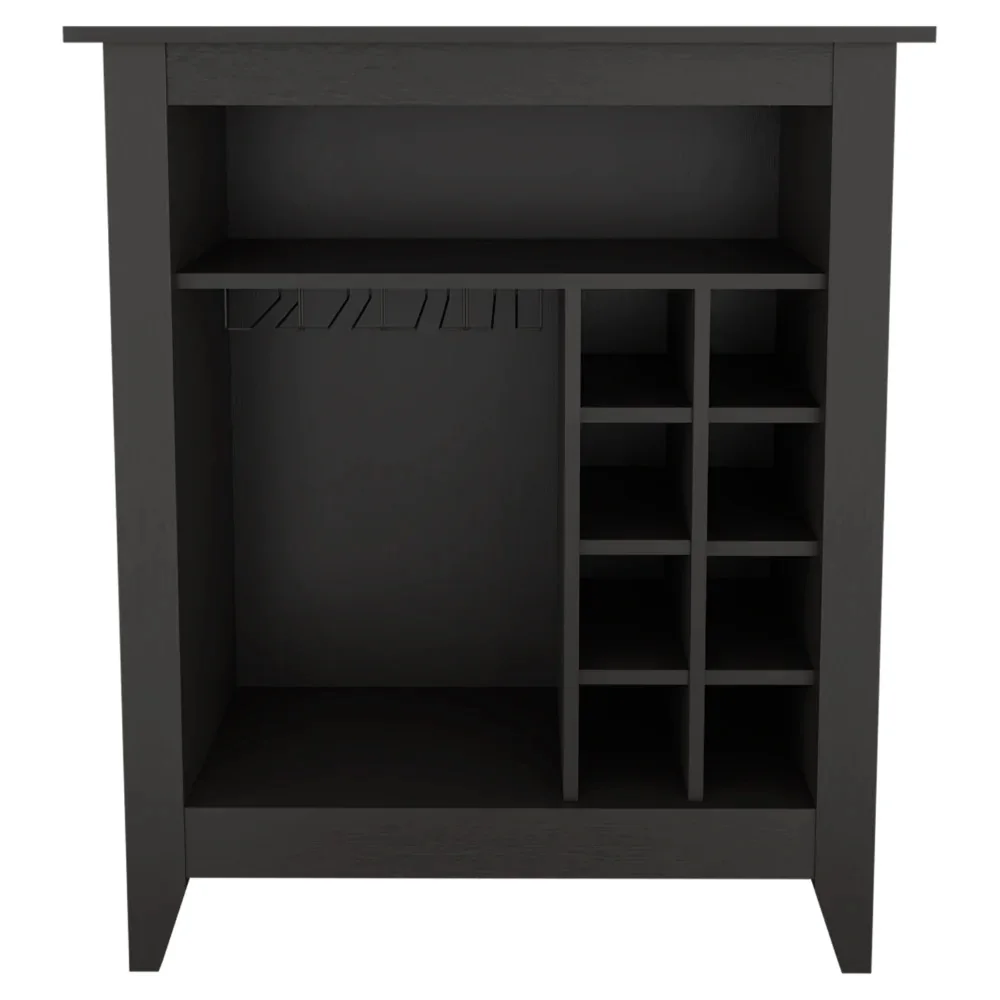
Your wine storage cabinet can be more than functional—it can be a design statement. Consider cabinets with LED lighting to showcase your collection. Some models feature sleek black finishes or bar cart styles that integrate seamlessly into living spaces. The Black Bar Cart with Wine Storage Elegant Sets for Home Bar offers a stylish solution for smaller collections, combining mobility with elegance.
Black Bar Cart with Wine Storage Elegant Sets for Home Bar
For a stylish and compact solution, consider the Black Bar Cart with Wine Storage Elegant Sets for Home Bar, which combines mobility with dedicated wine storage.
Frequently asked questions
What temperature should a wine storage cabinet be?
For long-term aging, aim for 55°F (13°C). For serving, reds are best at 60-68°F (15-20°C) and whites at 45-50°F (7-10°C). Dual-zone cabinets allow you to store both at ideal temperatures.
How many bottles can a typical wine cabinet hold?
Compact cabinets hold 12-30 bottles, mid-size 30-100, and large units 100-200+. Consider your collection size and future growth when choosing capacity.
Do I need a compressor or thermoelectric cooler?
Compressor coolers are best for large capacities and warmer climates, as they maintain consistent temperatures. Thermoelectric coolers are quieter and more efficient in moderate environments but may struggle in extreme heat.
Can I store wine in a regular refrigerator?
Regular fridges are too cold and dry for long-term wine storage. They can dry out corks and dull flavors. A dedicated wine storage cabinet provides proper humidity and stable temperature.
