
Blog
The Ultimate Non-Slip Bath Mat Guide for a Safer Bathroom
Bathroom Safety
Your Go-To Non-Slip Bath Mat Buying Guide
A non-slip bath mat is essential for preventing slips and falls in the bathroom. Whether you prioritize comfort, water absorption, or easy cleaning, this guide will help you choose the perfect mat for your needs.
Why You Need a Non-Slip Bath Mat
Bathroom floors get wet, and wet floors are dangerous. A non-slip bath mat provides traction underfoot, reducing the risk of slips. But safety isn’t the only benefit—these mats also add comfort and style. Whether you step out of the shower or stand at the sink, a reliable mat makes daily routines safer and more pleasant.
Types of Non-Slip Bath Mats
Not all mats are created equal. Here are the most common types:
- Rubber or PVC mats: These often have suction cups on the back to grip the floor. They’re great for showers and tubs.
- Fabric mats with rubber backing: Soft on top, grippy underneath. Ideal for bathroom floors outside the shower.
- Non-textile mats: Made from materials like microfiber or diatomaceous earth, these dry quickly and resist mold.
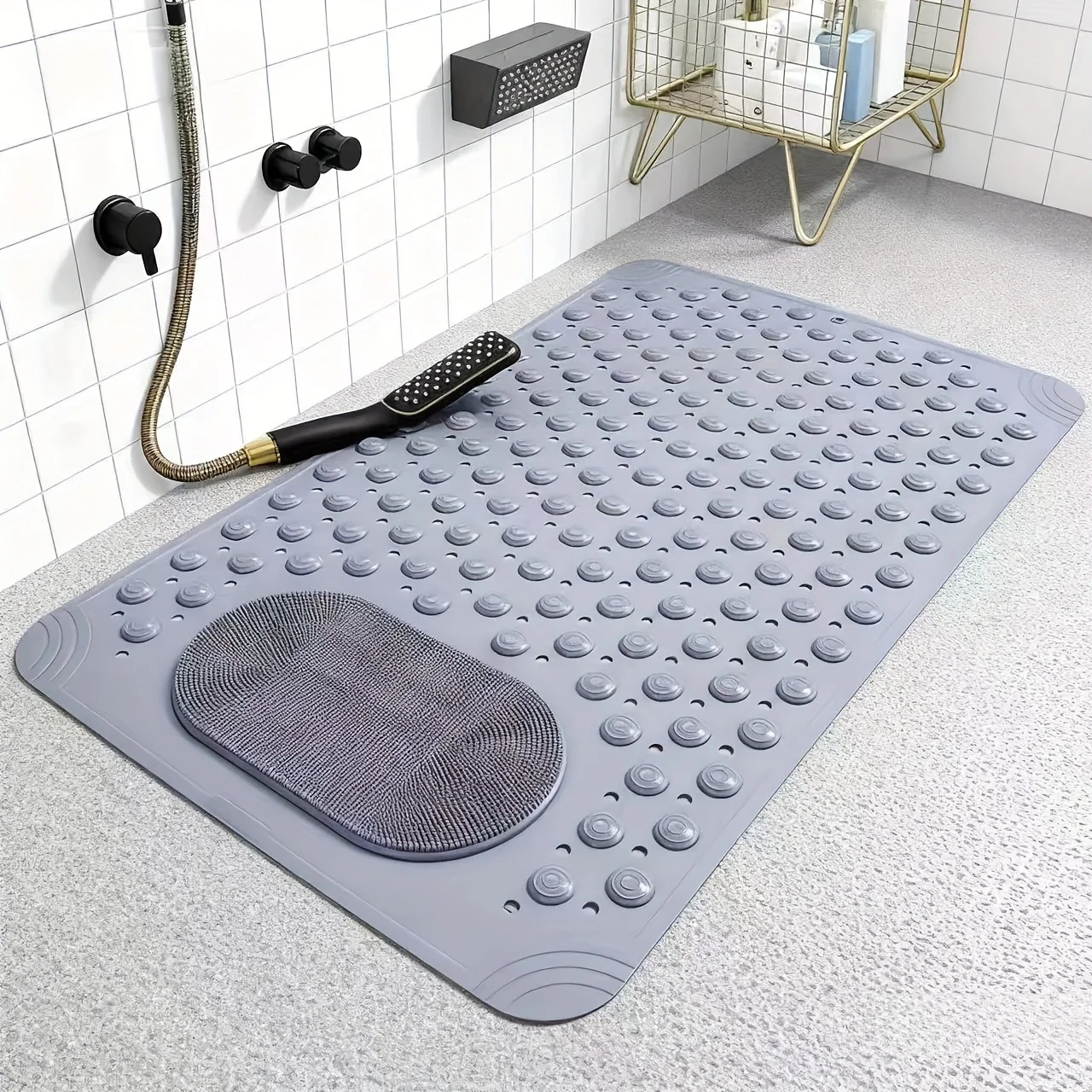
For a balance of grip and comfort, consider a mat with a massage feature that also uses suction cups for stability.
Key Features to Look For
When shopping for a non-slip bath mat, keep these features in mind:
- Suction cups: Ensure they are strong and evenly distributed. Some mats have hundreds of tiny cups for maximum grip.
- Water absorption: Quick-drying materials prevent mildew and keep the mat fresh.
- Size and shape: Measure your space. Oblong mats work well in front of tubs or showers.
- Massage nodes: A bonus feature that stimulates foot pressure points while you dry off.
Material Matters: Which One Is Best?
The material affects durability, comfort, and maintenance. Wikipedia’s bath mat page notes that cotton mats are soft but slow to dry, while synthetic materials like polyester or rubber offer faster drying and better slip resistance. For a non-textile option, look for mats that are mold-resistant and easy to clean—simply rinse and shake dry.
How to Properly Maintain Your Bath Mat
To keep your non-slip bath mat performing well, clean it regularly. Rubber mats can be sprayed with a vinegar solution to remove soap scum. Fabric mats should be machine washed weekly. Always check the care label—some mats can go in the dryer on low heat. Replace mats when suction cups lose their grip or the mat shows signs of wear.
Top Considerations for Bathroom Safety
Beyond the mat itself, ensure your bathroom floor is dry before stepping out. Use a bath mat that covers the area where you stand. For extra safety, the CDC offers fall prevention tips that include using non-slip mats. Remember, a mat is a tool, not a cure-all—always be mindful of wet surfaces.
Our Recommendation
After testing many mats, we appreciate the Non-Slip Bath Mat with Massage Feature Oblong Shower Floor Rug Non-Textile Water Absorbent Bathroom Mat with Suction Cups. It combines strong suction, quick drying, and a gentle massage surface—ideal for daily use.
Non-Slip Bath Mat with Massage Feature Oblong Shower Floor Rug Non-Textile Water Absorbent Bathroom Mat with Suction Cups
For a reliable upgrade, the Non-Slip Bath Mat with Massage Feature Oblong Shower Floor Rug Non-Textile Water Absorbent Bathroom Mat with Suction Cups offers strong grip, quick drying, and a soothing massage surface.
Frequently asked questions
How often should I replace my non-slip bath mat?
Replace your mat every 6-12 months, or sooner if suction cups lose grip or the mat develops mold. Regular cleaning extends its life.
Can I use a non-slip bath mat on a textured floor?
Yes, but suction cups may not adhere as strongly. Look for mats with extra grip or use a rubber mat that conforms to slight textures.
Are non-textile bath mats better than fabric ones?
Non-textile mats dry faster and resist mold, making them ideal for humid bathrooms. Fabric mats are softer but require more frequent washing.
How do I clean a non-slip bath mat with suction cups?
Rinse with water and mild soap, then scrub gently. Avoid harsh chemicals that can damage the rubber. Let it air dry completely before reuse.
