
Blog
How to Choose a Freestanding Kitchen Cabinet
Kitchen Storage
The Complete Guide to Freestanding Kitchen Cabinet Selection
A freestanding kitchen cabinet offers flexibility and character that built-ins can’t match. Whether you need extra storage or a design statement, this guide helps you choose wisely.
Why Choose a Freestanding Kitchen Cabinet?
Unlike permanent fixtures, a freestanding kitchen cabinet can move with you from home to home. It’s ideal for renters or anyone who loves to rearrange their space. Plus, installation is a breeze—no drilling into walls or hiring contractors. You can place it anywhere: against a wall, as a room divider, or even in a dining nook.
Styles to Fit Your Kitchen
Freestanding cabinets come in countless designs. From sleek modern with clean lines to rustic farmhouse with distressed wood, there’s something for every taste. Consider the visual weight: a tall cabinet makes a statement, while a low sideboard keeps sightlines open. For a cohesive look, match the wood tone or color to your existing furniture. Don’t be afraid to mix metals—brass handles can warm up a cool gray cabinet.
Open vs. Closed Storage
Think about what you’ll store. Open shelving displays pretty dishes but requires tidiness. Closed cabinets hide clutter and protect against dust. Many freestanding kitchen cabinets combine both, like a sideboard with glass doors on top and solid doors below. This gives you the best of both worlds.
Materials That Last
Solid wood is durable and can be refinished, but it’s heavy and expensive. Engineered wood like MDF with veneer is lighter and more affordable, though less hardy. Metal cabinets, often seen in industrial kitchens, are sleek and easy to clean. For a budget-friendly option, consider laminate—it mimics wood but resists moisture better. Always check the weight capacity of shelves, especially if you store heavy cookware.
Maximizing Storage and Organization
Inside your freestanding kitchen cabinet, use pull-out drawers, adjustable shelves, and door-mounted racks to maximize space. Group similar items: pots and pans on lower shelves, spices and oils on upper tiers. Baskets and bins corral small gadgets. If the cabinet has a countertop, use it for a coffee station or microwave—just ensure the surface is heat-resistant.
For more tips on organizing, check out this Wikipedia article on kitchen organization.
Measuring Your Space
Before buying, measure the width, depth, and height of your intended spot. Leave at least 3 inches of clearance on all sides for easy access and airflow. Don’t forget to measure doorways and hallways to ensure the cabinet can be delivered inside. A freestanding kitchen cabinet that’s too large can overwhelm a small kitchen; opt for a narrow or tall design instead.
Assembly and Maintenance Tips
Most freestanding cabinets come flat-packed with instructions. Enlist a friend for the heavy lifting—some pieces are surprisingly heavy. Use a level to ensure it sits evenly, and consider anti-tip brackets if you have children or pets. To maintain, wipe spills immediately and avoid abrasive cleaners. For wood cabinets, periodic polishing with beeswax keeps the finish looking new.
Budget Considerations
Prices vary widely based on material, size, and brand. Set a realistic budget and prioritize features that matter most, like solid construction or adjustable shelving. Remember, a freestanding kitchen cabinet is an investment in your home’s functionality and style. Even a budget-friendly piece can look high-end with the right styling—add a plant, a tray, or stylish knobs.
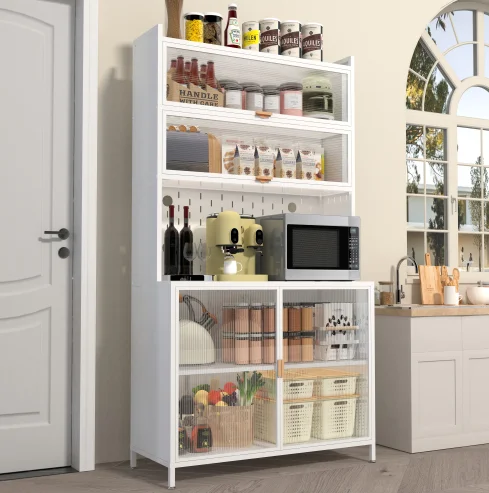
Modern Dustproof Freestanding Kitchen Storage Cabinet Flip Door Iron Sideboard by Manufacturer
For a blend of durability and modern style, consider the Modern Dustproof Freestanding Kitchen Storage Cabinet Flip Door Iron Sideboard by Manufacturer.
Frequently asked questions
Can a freestanding kitchen cabinet be used in a small kitchen?
Yes, absolutely. Choose a narrow or tall design to maximize vertical space without taking up much floor area. Look for cabinets with open shelving to avoid a bulky feel.
How do I secure a freestanding cabinet to the wall?
Many freestanding cabinets come with anti-tip brackets. If not, purchase a universal kit. Attach the bracket to the wall stud using screws, then connect it to the cabinet’s top back edge.
What is the best material for a freestanding kitchen cabinet?
It depends on your needs. Solid wood is durable and timeless but heavy. MDF with veneer offers a good balance of cost and appearance. For high humidity, consider metal or laminate.
Can I paint or refinish my freestanding cabinet?
Yes, if it’s made of solid wood or MDF. Sand lightly, prime, and paint with a durable finish. Avoid painting laminate unless you use special bonding primer.