
Blog
Choosing the Perfect Solid Wood Sideboard for Your Home
Buying Guide
Guide to Finding Your Ideal Solid Wood Sideboard
A solid wood sideboard is more than just storage—it’s a statement piece that adds warmth and character to any room. Whether you’re styling a dining room or living area, the right sideboard can transform your space.
Why Choose a Solid Wood Sideboard?
Solid wood furniture offers durability and timeless appeal that engineered wood simply can’t match. A solid wood sideboard becomes a family heirloom, aging gracefully with a patina that tells your home’s story. Unlike veneers or laminates, solid wood can be refinished if scratched or worn, extending its life for decades. Plus, each piece has unique grain patterns, making your sideboard truly one-of-a-kind.
Wood Types: Which Solid Wood is Right for You?
The type of wood affects both look and longevity. Here are popular choices:
- Oak: Strong, prominent grain, takes stains well. Ideal for traditional or rustic spaces.
- Walnut: Rich, dark brown with straight grain. Adds sophistication to modern interiors.
- Cherry: Warm reddish tones that darken with age. Classic for antique-inspired designs.
- Teak: Naturally oily and water-resistant. Great for high-traffic or humid areas.
- Maple: Light color with subtle grain. Suits contemporary and Scandinavian styles.
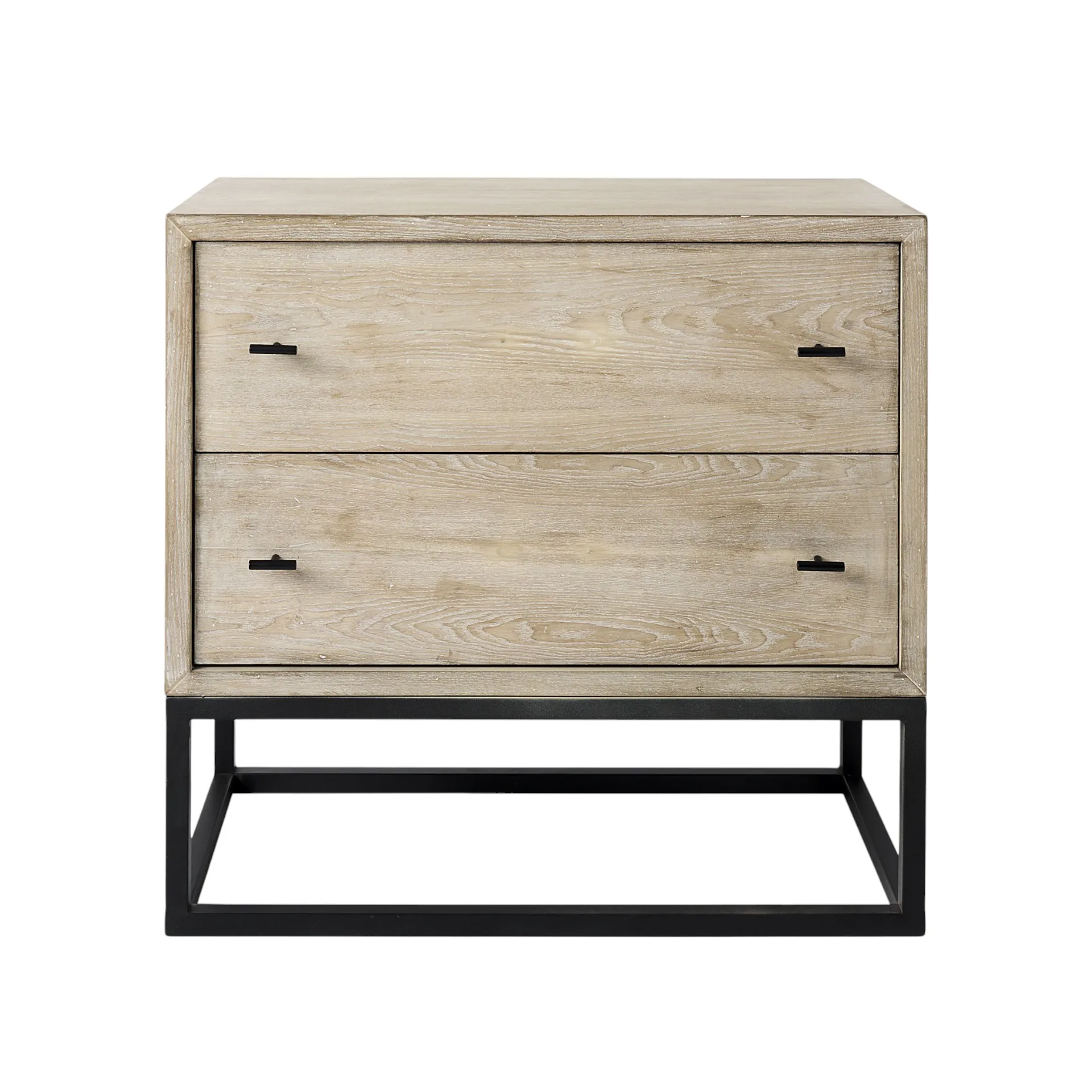
For a balanced option, consider our solid wood sideboard, crafted from premium natural wood with a two-drawer design.
Size and Proportion: Matching Your Space
Measure your wall space before shopping. A sideboard should be at least as long as the seating area it serves (e.g., a 6-foot table pairs well with a 60-inch sideboard). Depth typically ranges from 16 to 20 inches—enough for dinnerware but not protruding into walkways. Height usually falls between 30 and 36 inches, aligning with standard dining tables or acting as a visual anchor in a living room.
Proportion Tips:
- Leave 6–12 inches of wall space on each side for balance.
- For small rooms, choose a narrower model (around 32 inches wide) to avoid overwhelming the area.
- In open-concept spaces, a longer sideboard can define zones.
Style and Design: Modern, Antique, or Traditional?
Your sideboard should complement existing decor. Modern designs feature clean lines, minimal hardware, and often use light woods like oak or maple. Antique or traditional styles showcase ornate carvings, darker finishes, and brass pulls. A transitional piece—like our 32-inch solid wood sideboard—blends elements from both, making it versatile for evolving tastes. Consider the room’s color palette: a natural wood tone adds warmth, while painted finishes can match accent walls.
Storage Solutions: Drawers, Shelves, and Cabinets
Think about what you’ll store. Drawers are perfect for cutlery, napkins, or remote controls. Open shelves display decorative items or books, but require tidiness. Cabinets hide clutter and protect fragile pieces. A combination of storage types offers flexibility. For example, a sideboard with two drawers and lower cabinets provides both hidden and accessible storage. Adjustable shelves add further customization.
Caring for Your Solid Wood Sideboard
Keep your sideboard away from direct sunlight and heat sources to prevent fading or warping. Dust regularly with a soft cloth. Use coasters and placemats to avoid water rings. Every few months, apply a quality wood conditioner or polish to maintain moisture balance. For spills, wipe immediately. With proper care, your solid wood sideboard will last for generations.
Budget and Value: Investing in Quality
Solid wood sideboards cost more upfront than particleboard alternatives, but they offer better durability and resale value. Expect to pay between $500 and $2,000 depending on wood species, craftsmanship, and size. Look for dovetail joinery in drawers and solid backs (not hardboard) as signs of quality. A well-made piece is an investment in your home’s comfort and style.
32″ Solid Natural Wood Two-Drawer Sideboard Modern/Antique/Traditional Design for Living Room Dining Room or Hotel
For a versatile option that fits modern, antique, or traditional settings, consider the 32″ Solid Natural Wood Two-Drawer Sideboard—a compact yet functional piece for living rooms, dining rooms, or hotels.
Frequently asked questions
What size sideboard do I need for a dining room?
For a dining room, choose a sideboard that is at least half the length of your dining table. Standard sizes range from 48 to 72 inches wide, 30 to 36 inches high, and 16 to 20 inches deep.
Can I place a solid wood sideboard in a humid area like a kitchen?
Yes, but choose a wood like teak or oak that naturally resists moisture. Ensure proper ventilation and wipe up spills immediately. Avoid placing it near dishwashers or sinks.
How do I clean a solid wood sideboard?
Dust with a soft, dry cloth. For smudges, use a slightly damp cloth and dry immediately. Avoid harsh chemicals; use a mild soap if needed. Polish occasionally with a wood-specific product.
What is the difference between solid wood and veneer sideboards?
Solid wood is made entirely from natural wood, offering durability and the ability to be refinished. Veneer has a thin layer of wood over plywood or MDF, which is lighter and cheaper but cannot be sanded or refinished.