
Blog
Ultimate Guide to Choosing a Kitchen Sideboard Cabinet
Buying Guide
Find Your Perfect Kitchen Sideboard Cabinet
A kitchen sideboard cabinet can transform your space, offering both storage and style. Whether you need extra counter space or a place to display dinnerware, this guide helps you make the right choice.
Why You Need a Kitchen Sideboard Cabinet
A kitchen sideboard cabinet is more than just a piece of furniture; it’s a practical addition that enhances your home’s organization and aesthetic. From storing bulky cookware to showcasing family heirlooms, a sideboard can adapt to your needs. Unlike traditional cabinets, a sideboard often features a lower height, making it ideal for countertop appliances or decorative items. Its versatility means it can serve as a buffet during gatherings or a coffee station in the morning. With the right choice, you can reduce clutter and create a focal point in your kitchen or dining area.
When selecting a kitchen sideboard cabinet, consider the layout of your room. A narrow sideboard works well in tight spaces, while a wider one can anchor a large wall. Look for features like adjustable shelves, drawers, and cabinets to maximize utility. Many modern designs incorporate open shelving for easy access to frequently used items. Whether your style is rustic, contemporary, or traditional, there’s a sideboard that complements your decor.
Key Features to Look For
When shopping for a kitchen sideboard cabinet, focus on construction quality. Solid wood or high-quality MDF ensures durability. Check the weight capacity of shelves if you plan to store heavy dishes. Drawers should glide smoothly with full-extension slides. Also, consider the finish—a scratch-resistant surface is a plus in busy kitchens.
- Material: Solid wood offers longevity; veneers can be more affordable.
- Size: Measure your space carefully; allow for door and drawer clearance.
- Storage: Mix of cabinets, drawers, and open shelves.
- Style: Match with existing furniture or create a contrast.
Another important factor is the sideboard’s height. Standard heights range from 30 to 36 inches, which aligns with countertops for seamless integration. If you’re using it as a buffet, choose a height that’s comfortable for serving. For more information on furniture dimensions, consult this Wikipedia article on furniture.
How to Choose the Right Size
Measuring your space is crucial before buying a kitchen sideboard cabinet. Start by determining the wall length where the sideboard will go. Leave at least 36 inches of walking space in front for easy access. The depth typically ranges from 15 to 20 inches—shallower for tight hallways, deeper for ample storage. Height should complement your countertops or dining table. A sideboard that’s too tall can feel imposing, while one too short may look out of place.
Consider the scale of the room. In a small kitchen, a slim sideboard with a mirror above can create an illusion of space. In larger rooms, a substantial piece with multiple compartments can anchor the area. Always visualize the sideboard with doors open to ensure it doesn’t block walkways or other furniture.
Material and Finish Options
The material of your kitchen sideboard cabinet affects both appearance and longevity. Solid wood like oak, walnut, or pine offers timeless appeal and can be refinished if damaged. Engineered wood like MDF with a veneer is budget-friendly and resists warping. Metal accents add an industrial touch, while glass doors provide a display option.
Finish choices range from matte to glossy, and from natural wood tones to painted colors. A matte finish hides fingerprints better, while glossy reflects light and makes a room feel brighter. If you have children, consider a wipe-clean surface. For a cohesive look, match the sideboard’s finish to your existing cabinetry or flooring.
Styling Your Sideboard
Once you have your kitchen sideboard cabinet, styling it is key to integrating it into your decor. Start with a focal point—like a large mirror or artwork above. On the sideboard, use trays to corral small items, add plants for freshness, and stack books for height variation. Use baskets for hidden storage of linens or snacks.
For a cohesive look, repeat colors from the room’s palette. In a neutral kitchen, a pop of color through accessories can energize the space. Alternatively, keep it minimalist with a few curated pieces. Remember, the sideboard is both functional and decorative, so balance open display with closed storage to avoid clutter.
Maintenance and Care Tips
To keep your kitchen sideboard cabinet looking its best, dust regularly with a soft cloth. Avoid harsh chemicals; use a mild soap and water for spills. For wood, apply polish occasionally to maintain luster. Check hinges and drawer slides annually and tighten if loose. Avoid placing hot dishes directly on the surface—use trivets or coasters. With proper care, your sideboard will last for years.
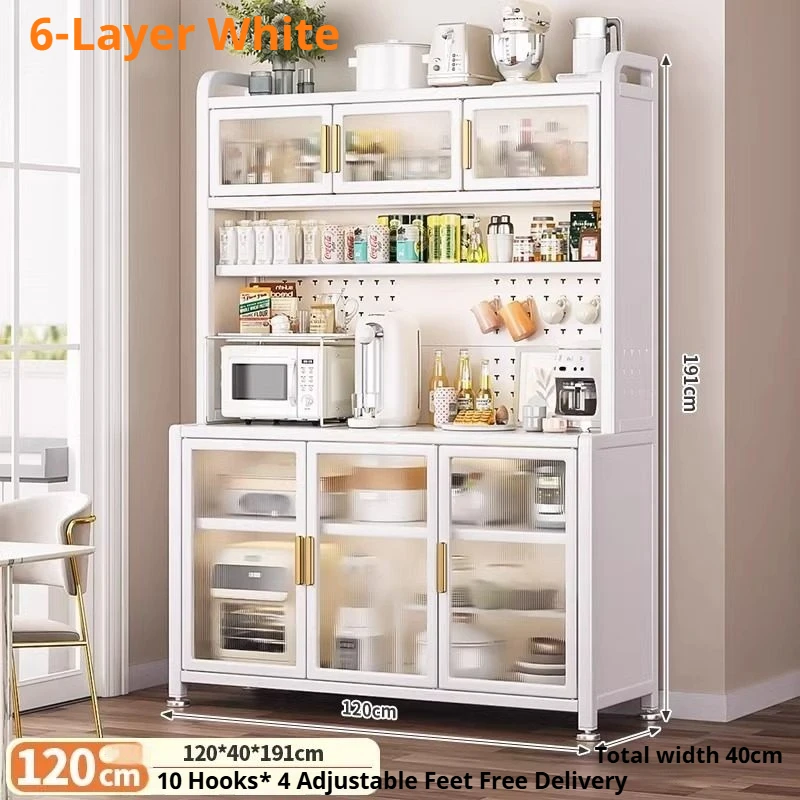
Kitchen Cabinet Sideboard Home Entrance Space Saver Dining Room Mueble Cocina Living Complete Cocina Kitchen Cabinets Storage
For a ready-made option, our Kitchen Cabinet Sideboard Home Entrance Space Saver combines storage and style in a compact design.
Frequently asked questions
What is the standard height of a kitchen sideboard cabinet?
Standard heights range from 30 to 36 inches, similar to countertop height, but custom sizes are available.
Can a kitchen sideboard cabinet be used in a dining room?
Yes, sideboards are versatile and work well in dining rooms for storing tableware and serving food.
What material is best for a kitchen sideboard cabinet?
Solid wood offers durability and timeless appeal, while MDF with veneer is budget-friendly and stable.
How do I style a kitchen sideboard cabinet?
Use trays, plants, and decorative objects on top, and baskets or bins inside for hidden storage. Keep a balance of open and closed storage.