
Blog
The Ultimate Buffet Cabinet Buying Guide
Buying Guide
Your Complete Buffet Cabinet Buying Guide
A buffet cabinet is more than just storage—it’s a statement piece that can transform your dining room or living area. This guide will walk you through everything you need to know to find the right one for your space.
What Is a Buffet Cabinet?
A buffet cabinet is a long, low piece of furniture typically used in dining rooms or living rooms for storage and serving. It often features drawers, cabinets, and shelves to hold dishes, linens, glassware, or decorative items. Historically, buffets were used for serving meals buffet-style, but today they serve as versatile storage solutions.
Key Styles of Buffet Cabinets
When choosing a buffet cabinet, consider the style that best complements your home. Popular styles include:
- Traditional: Ornate details, rich wood tones, and classic hardware.
- Modern: Clean lines, minimal hardware, often in neutral colors or natural wood.
- Rustic: Reclaimed wood, distressed finishes, and a farmhouse feel.
- Industrial: Metal accents, raw wood, and a utilitarian look.
Why Style Matters
Your buffet cabinet should harmonize with existing furniture. A well-chosen style ties the room together.
Materials and Build Quality
The material affects durability, appearance, and price. Common options include:
- Solid Wood: Durable and timeless. Woods like oak, walnut, and maple offer strength and beauty.
- Engineered Wood: More affordable but may not last as long. Look for high-density fiberboard (HDF) with wood veneer.
- Metal: Often used in industrial styles; can be mixed with wood.
For a long-lasting piece, solid wood is best. Check construction—dovetail joints and sturdy hardware signal quality.
Size and Placement
Measure your space before buying. A buffet cabinet should be proportional to the room and other furniture. Standard heights range from 30 to 36 inches, widths from 48 to 72 inches. Leave at least 36 inches of clearance for walking and opening doors.
Consider the depth: shallow cabinets (15–18 inches) save space, while deeper ones (20–24 inches) offer more storage.
Storage and Functionality
Think about what you’ll store. Buffet cabinets typically include:
- Drawers: For silverware, napkins, or small items.
- Cabinets: For larger dishes or barware.
- Shelves: Open or closed for display.
Some have wine racks, glass doors, or adjustable shelves. Prioritize the features that match your needs.
Design Details to Consider
Small details can make a big impact:
- Hardware: Knobs and pulls should be comfortable and match the style.
- Legs: Raised legs give a lighter look; a solid base feels substantial.
- Finish: Matte, gloss, or distressed—choose what suits your decor.
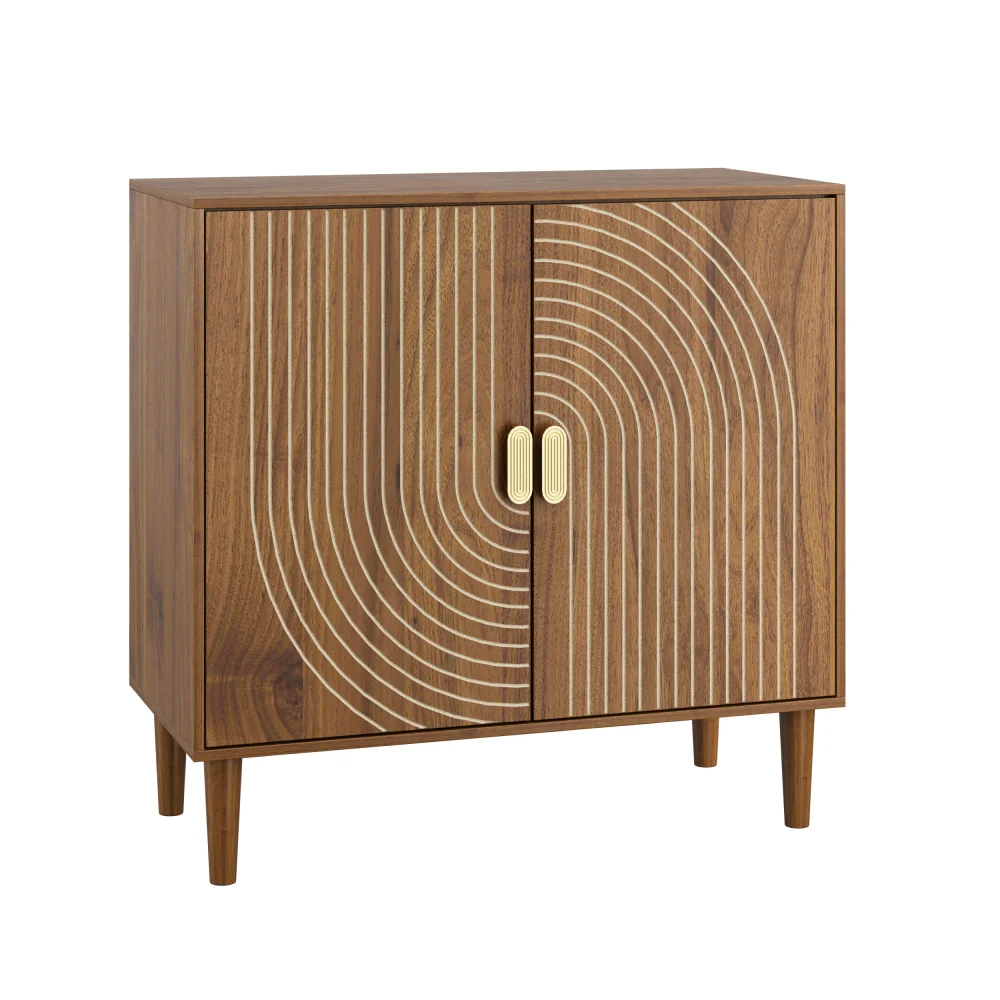
- Line Groove Design: A subtle vertical or horizontal groove pattern adds texture without overwhelming the piece.
For example, a buffet cabinet with line groove design can bring understated elegance to a modern room.
Budget and Value
Prices vary widely. Set a budget based on material and size. Solid wood cabinets cost more but last decades. Mid-range options with veneer offer good value. Remember, a buffet cabinet is an investment in your home’s function and style.
Walnut Wood Multifunctional Buffet Cabinet with Line Groove Design for Home Bar or Home Accent Storage Sideboard Cabinet
For a blend of style and practicality, consider the Walnut Wood Multifunctional Buffet Cabinet with Line Groove Design, which offers ample storage and a sleek look for any room.
Frequently asked questions
What is the standard height of a buffet cabinet?
Standard buffet cabinets are 30 to 36 inches tall, which aligns with dining table height for easy serving.
Can a buffet cabinet be used in a living room?
Absolutely. A buffet cabinet works great in a living room for media storage, displaying decor, or as a bar.
What is the difference between a buffet and a sideboard?
The terms are often used interchangeably, but traditionally a buffet has a taller back and legs, while a sideboard is a single low piece.
How do I clean a wooden buffet cabinet?
Dust regularly with a soft cloth. Use a mild wood cleaner for smudges, and avoid harsh chemicals that can damage the finish.