
Blog
How to Choose the Perfect Mid Century Sideboard for Your Home
Buying Guide
Find Your Ideal Mid Century Sideboard
A mid century sideboard can transform your living space with its blend of form and function. Whether you’re a seasoned collector or a first-time buyer, this guide will help you navigate the key considerations.
Understanding the Mid Century Sideboard
A mid century sideboard is more than just storage; it’s a statement piece that embodies the design ethos of the 1950s and 60s. Characterized by clean lines, organic curves, and a mix of natural materials, these pieces remain popular today for their versatility and timeless appeal. Whether you’re styling a modern apartment or a retro-inspired home, a mid century sideboard can anchor your room with understated elegance.
Key Features to Look For
When shopping for a mid century sideboard, pay attention to these details:
- Material: Solid wood like teak, walnut, or oak is classic. Veneers can be durable but check for quality.
- Hardware: Original brass or aluminum pulls add authenticity, but modern reproductions can be equally charming.
- Legs: Tapered, angled legs are iconic. Ensure they are sturdy and properly attached.
- Doors and Drawers: Look for smooth operation and dovetail joinery in drawers.
Integrating a Mid Century Sideboard into Your Decor
Place your mid century sideboard in a living room, dining room, or hallway. Use it to display art, books, or barware. The flat top is perfect for a lamp or a plant. For a cohesive look, pair it with other mid century pieces, but don’t be afraid to mix with modern or traditional items—the contrast can be striking. According to Wikipedia, the movement emphasized functionality and simplicity.
Size and Proportion Considerations
Measure your space before buying. A mid century sideboard typically ranges from 48 to 72 inches wide and 30 to 36 inches tall. Leave at least 36 inches of clearance around it for traffic flow. Consider the scale relative to your furniture: a large sideboard can overwhelm a small room, while a petite one might get lost in a grand space.
Quality vs. Budget: Making a Smart Investment
You don’t need to spend a fortune. Vintage pieces from thrift stores or online marketplaces can be affordable. For new options, look for solid wood construction and dovetail drawers. Avoid particleboard or MDF if possible. Remember, a well-made mid century sideboard can last for decades, so it’s worth investing in quality.
Caring for Your Mid Century Sideboard
Dust regularly with a soft cloth. Use coasters and placemats to prevent water rings. Avoid direct sunlight to prevent fading. For wood, apply a quality furniture polish occasionally. If the piece has original finish, test any cleaner on an inconspicuous area first.
Where to Find Authentic Mid Century Sideboards
Check local antique shops, estate sales, and online marketplaces like Craigslist or Facebook Marketplace. Reputable online retailers also offer reproductions that capture the spirit of the era. When buying online, ask for detailed photos and measurements. If possible, see the piece in person or ensure a good return policy.
Final Thoughts on Choosing a Mid Century Sideboard
Take your time and choose a piece that speaks to you. A mid century sideboard is not just furniture—it’s a conversation starter. Whether you go vintage or modern, the right sideboard will bring warmth and character to your home for years to come.
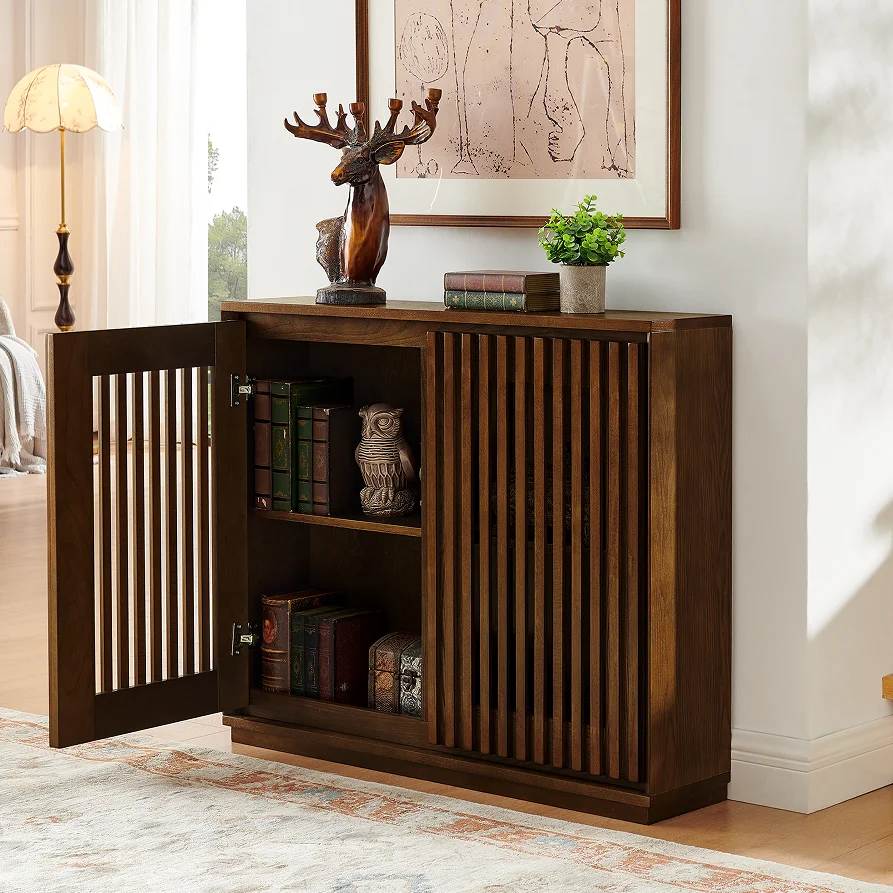
Mid Century Modern Solid Wood Fluted Hollowed Out Sideboard Cabinet 2 Outlet Holes Luxury Living Room Buffet Cabinet Storage
For a modern take, consider the Mid Century Modern Solid Wood Fluted Hollowed Out Sideboard Cabinet with convenient outlet holes, blending classic design with contemporary function.
Frequently asked questions
What is the difference between a mid century sideboard and a credenza?
While often used interchangeably, a sideboard typically has shorter legs and is used in dining rooms for serving, while a credenza has longer legs and is more common in living rooms. Both share similar design elements.
Can I use a mid century sideboard as a TV stand?
Yes, if the sideboard is low enough and has enough depth. Ensure proper ventilation for electronics, and consider the height for comfortable viewing.
How do I identify an authentic mid century sideboard?
Look for clean lines, tapered legs, and natural wood finishes. Check for labels or stamps from manufacturers like Paul McCobb or Lane. Original hardware and joinery are good indicators.
Is it better to buy vintage or new mid century style?
Vintage offers authenticity and potential value, but may require restoration. New reproductions are often more affordable and come with warranties. Consider your budget and DIY skills.