
Blog
Why a Solid Wood Sideboard Belongs in Your Home
Buying Guide
The Ultimate Solid Wood Sideboard Buying Guide
A solid wood sideboard is more than just storage—it’s a statement piece that anchors your dining room or living area. In this guide, we’ll walk you through everything you need to know to find the perfect one for your home.
Why Choose a Solid Wood Sideboard?
A solid wood sideboard brings warmth and character that particleboard or veneer simply can’t match. Each piece has unique grain patterns, and with proper care, it can last for generations. Beyond aesthetics, solid wood is sturdy enough to hold heavy dinnerware, linens, or even a television. If you’re looking for furniture that ages gracefully, solid wood is the clear winner.
Key Features to Look For
When shopping for a solid wood sideboard, consider these features:
- Wood Species: Oak, walnut, and acacia are popular choices. Oak is durable and affordable; walnut offers rich, dark tones; acacia is highly water-resistant.
- Construction: Look for dovetail joinery in drawers and solid wood backs. Avoid pieces with particleboard components disguised as solid wood.
- Finish: A matte or satin finish hides scratches better than high gloss. Natural oils or waxes are easier to touch up over time.
- Size and Storage: Measure your space and think about what you’ll store. Drawers are great for cutlery, while cabinets with shelves work for larger items.
Matching Your Style
Solid wood sideboards come in many styles. For a farmhouse look, choose a piece with a distressed finish and simple hardware. Mid-century modern fans should look for tapered legs and clean lines. A traditional European design, like the sideboard style you’ve likely seen in antique shops, often features ornate carvings and dark wood. The key is to pick a sideboard that complements your existing decor without overwhelming the room.
How to Care for Your Solid Wood Sideboard
To keep your solid wood sideboard looking its best, dust regularly with a soft cloth. Avoid placing it in direct sunlight, which can fade the finish. Use coasters under drinks and wipe spills immediately. Every few months, apply a quality furniture wax or oil to maintain the wood’s luster. With minimal effort, your sideboard will remain beautiful for years.
Where to Place a Solid Wood Sideboard
The dining room is the most common location, but a solid wood sideboard also works well in a living room as a media console, in an entryway for keys and mail, or even in a home office for storage. Ensure there’s enough clearance for doors and drawers to open fully. A sideboard can also serve as a buffet during dinner parties—place it against a wall or use it as a room divider in an open-plan space.
Budgeting for Quality
Solid wood sideboards range from affordable to investment pieces. Set a budget that reflects how often you’ll use it and the quality you want. Remember that a well-made solid wood sideboard can be refinished or repainted if your style changes, making it a sustainable choice. Avoid cheap imitations that use solid wood only on the exterior—always check product descriptions for terms like “solid wood construction.”
Making the Final Decision
Before purchasing, read reviews and check return policies. If possible, see the piece in person to judge the wood’s color and texture. A solid wood sideboard is a long-term addition to your home, so take your time. Whether you prefer a modern minimalist look or a classic European design, the right sideboard will serve you well for decades.
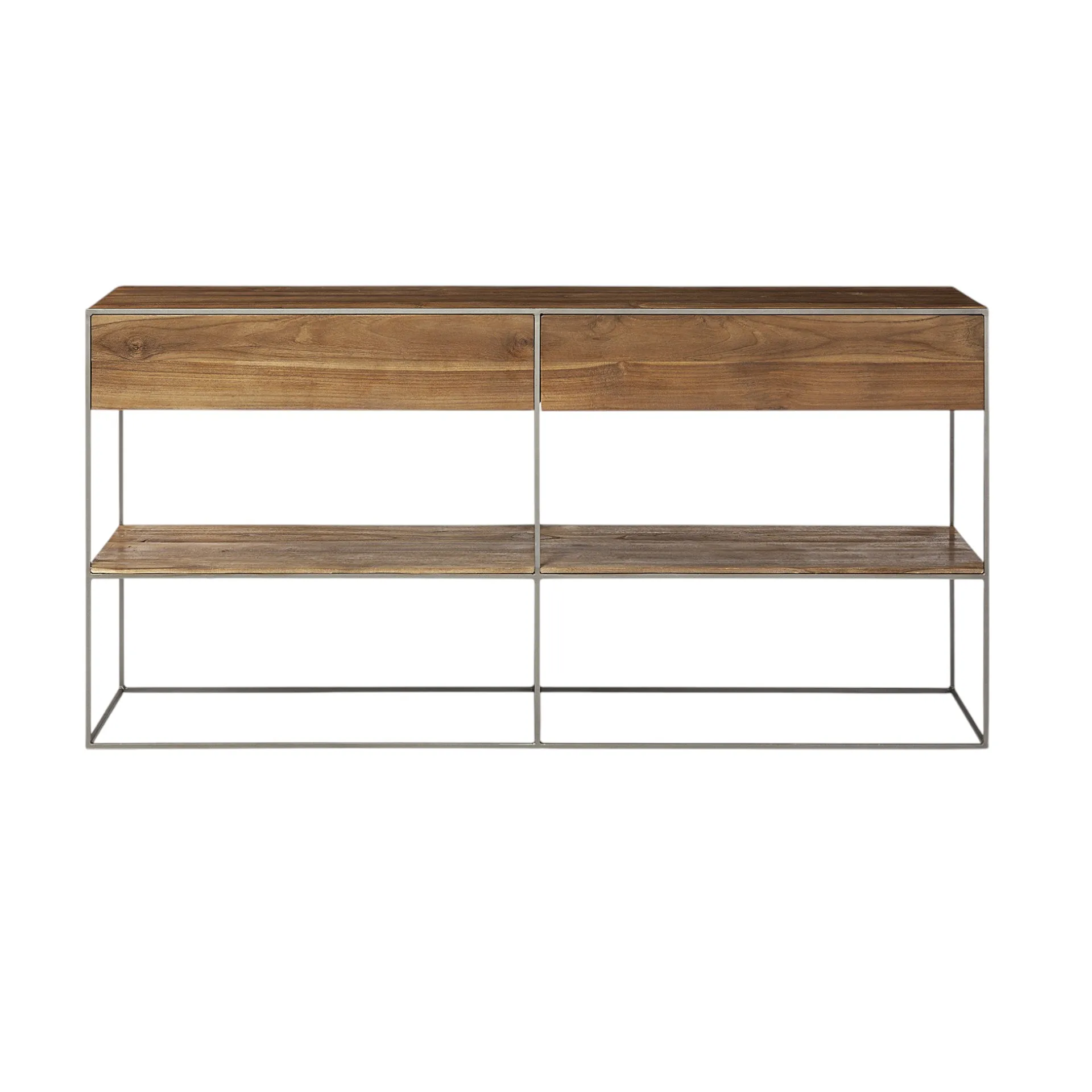
63 Two-Drawer Sideboard Cabinet Brown Solid Wood with Modern & Traditional European Design for Farmhouse & Dining MDF Style
For a blend of modern and traditional European design, consider the 63 Two-Drawer Sideboard Cabinet in brown solid wood—it offers ample storage and a classic look that fits farmhouse and dining spaces.
Frequently asked questions
What is the difference between solid wood and engineered wood sideboards?
Solid wood is made from natural timber throughout, while engineered wood (like MDF or plywood) uses wood fibers bonded with adhesives. Solid wood is more durable, can be refinished, and has unique grain patterns, but it’s also heavier and more expensive.
How do I choose the right size sideboard for my dining room?
Measure the wall where you plan to place it. The sideboard should be roughly the same length as the dining table or slightly shorter. Leave at least 36 inches of walking space around it for easy movement.
Can a solid wood sideboard be painted or stained later?
Yes, solid wood can be sanded and repainted or stained multiple times, which is a major advantage over veneer. However, if the piece has a factory finish, you may need to strip it first. Always test a small area first.
What type of wood is best for a sideboard in a humid climate?
Acacia and teak are naturally moisture-resistant, making them great for humid environments. Oak is also a good choice if properly sealed. Avoid woods like pine, which can warp more easily.
