
Blog
Natural Oak Nightstand Buying Guide: Style & Storage
Bedroom Furniture
Your Perfect Natural Oak Nightstand Awaits
A natural oak nightstand brings warmth and durability to any bedroom. Whether you’re aiming for a rustic farmhouse or modern minimalist look, this guide helps you choose the right piece for your needs and space.
Why Choose a Natural Oak Nightstand?
Natural oak is a hardwood prized for its strength and beautiful grain. A natural oak nightstand offers longevity and a classic appearance that complements many decor styles. Unlike painted finishes, natural oak can be refinished if scratched, extending its life. Oak’s neutral tone pairs well with both cool and warm color palettes, making it a versatile choice for any bedroom.
When you invest in a natural oak nightstand, you’re choosing a piece that ages gracefully. The wood develops a rich patina over time, adding character to your space. Plus, oak is more resistant to dents and moisture than softer woods like pine, so it stands up to daily use.
Key Features to Look For in a Nightstand
Not all nightstands are created equal. Here are the essential features to consider when shopping for a natural oak nightstand:
- Drawer space: A single drawer is great for small items, while two drawers offer more organization. Consider what you need to store—books, glasses, remotes, etc.
- Open shelf: An open shelf provides easy access to frequently used items like books or a water glass. It also adds visual lightness.
- Height: The top of your nightstand should be level with your mattress for convenient reach. Standard height is around 24–28 inches.
- Hardware: Look for smooth-gliding drawer slides and sturdy knobs or handles that match your style.
Size and Placement Tips for Your Nightstand
Measure your bedroom before buying a natural oak nightstand. The ideal width is about 2–3 inches narrower than your bed’s height from the floor to the top of the mattress. Leave at least 2 inches of space between the nightstand and the bed frame to avoid bumps. For small rooms, a narrower nightstand (around 18–20 inches wide) works best. In larger rooms, you can go up to 24–30 inches.
Also consider the depth. A depth of 15–18 inches is standard, but if you have limited floor space, look for a shallower option. Place the nightstand on the side of the bed where you typically reach for items—usually the side where you sleep.
Style and Design Considerations
Natural oak nightstands come in various styles. Mid-century modern designs feature tapered legs and clean lines. Farmhouse styles often include distressed finishes and paneled fronts. Contemporary pieces may have sleek, minimalist silhouettes. Choose a style that complements your existing bedroom furniture.
If your room has other oak pieces, look for a nightstand that matches the grain and color tone. For a mixed-wood look, consider how the oak contrasts with other woods like walnut or maple. The natural oak finish can also be paired with painted or metal accents for an eclectic vibe.
Wood Quality and Construction
Solid oak is the gold standard, but many nightstands use oak veneer over engineered wood. Solid oak is more durable and can be refinished, but it’s heavier and more expensive. Veneer offers a similar look at a lower cost but may not last as long. Check the product description for terms like “solid oak” or “oak veneer.” Also look for dovetail joints on drawers, which indicate quality construction.
Another aspect is the finish. A clear lacquer or oil finish protects the wood while letting the natural grain show. Avoid nightstands with thick, opaque finishes that hide the wood’s character.
Storage Options: Drawer vs. Shelf vs. Both
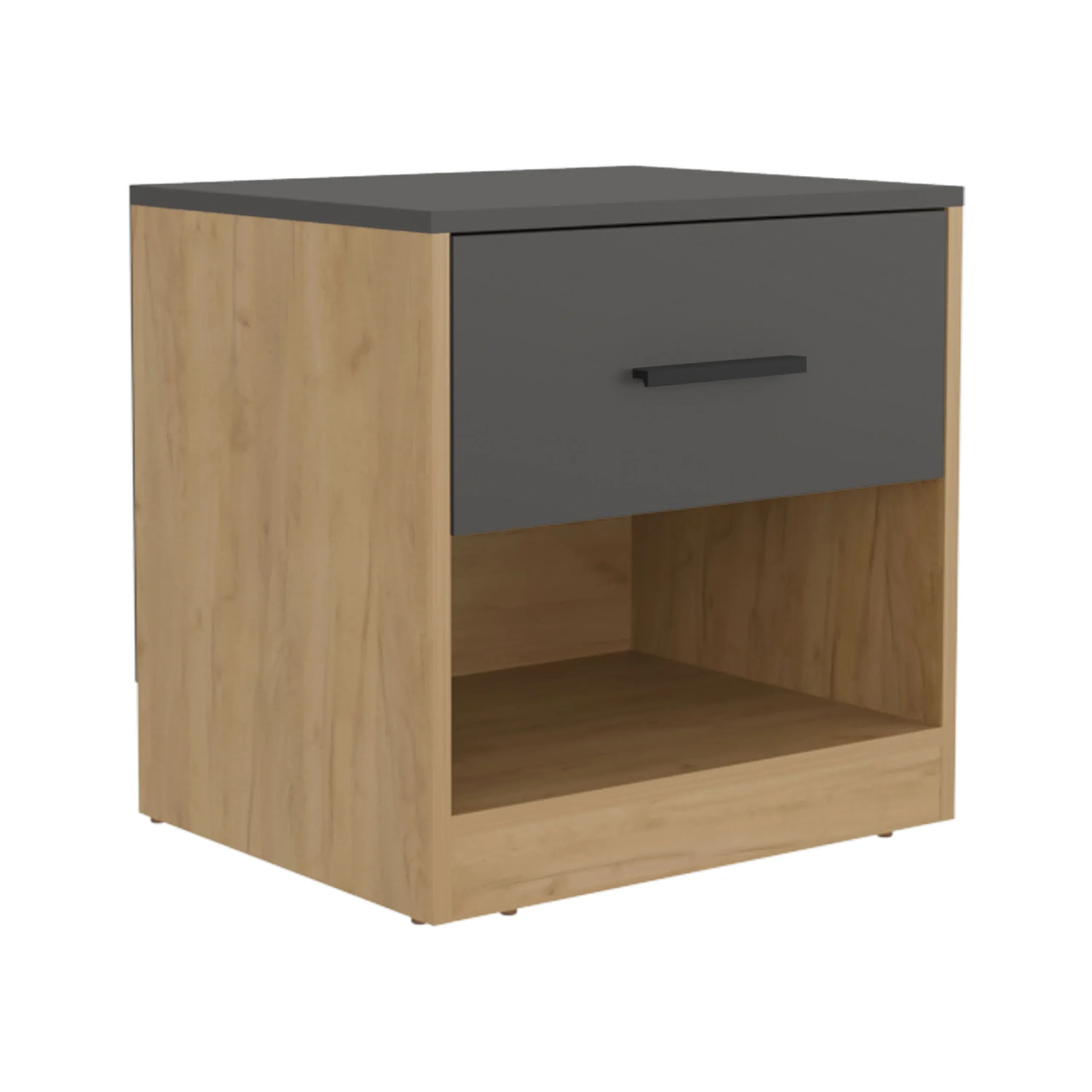
Think about your storage needs. A single drawer is enough for most people, but if you have many small items, consider a two-drawer design. An open shelf is perfect for displaying a lamp or stacking books. Some nightstands combine a drawer with an open shelf, offering the best of both worlds. For example, the Alder 19.7″ High One Drawer Nightstand with Open Shelf – Natural Oak provides a drawer for concealed storage and a shelf for easy-access items.
If you need even more storage, look for nightstands with a cabinet door or additional shelves. Just be mindful of the overall footprint in your room.
Caring for Your Natural Oak Nightstand
To keep your natural oak nightstand looking its best, dust regularly with a soft cloth. Avoid using harsh chemicals; instead, clean with a damp cloth and dry immediately. Use coasters for drinks to prevent water rings, and keep the nightstand out of direct sunlight to prevent fading. If the finish becomes dull, apply a furniture polish designed for wood. For scratches, a touch-up marker in a matching oak shade can help.
Learn more about oak wood properties from Wikipedia’s oak page.
Alder 19.7″ High One Drawer Nightstand with Open Shelf – Natural Oak
For a well-crafted option, consider the Alder 19.7″ High One Drawer Nightstand with Open Shelf – Natural Oak, which combines quality construction with practical storage.
Frequently asked questions
What size nightstand is best for a queen bed?
For a queen bed, a nightstand 20-24 inches wide and 24-28 inches tall is ideal. This provides enough surface area for a lamp and essentials while keeping the top level with your mattress.
Can I use a nightstand with an adjustable bed?
Yes, but ensure the nightstand is at least 2 inches away from the bed frame to avoid interference when the bed moves. Also, choose a sturdy model that won’t tip over.
Is solid oak better than oak veneer?
Solid oak is more durable and can be refinished, but it’s heavier and more expensive. Oak veneer offers a similar look at a lower cost and is lighter, but may not last as long. Both can be good choices depending on your budget.
How do I clean a natural oak nightstand?
Dust with a soft cloth weekly. For smudges, use a slightly damp cloth and dry immediately. Avoid ammonia-based cleaners. Apply furniture polish occasionally to maintain the finish.
