
Blog
The Ultimate Guide to Choosing a Memory Foam Mattress
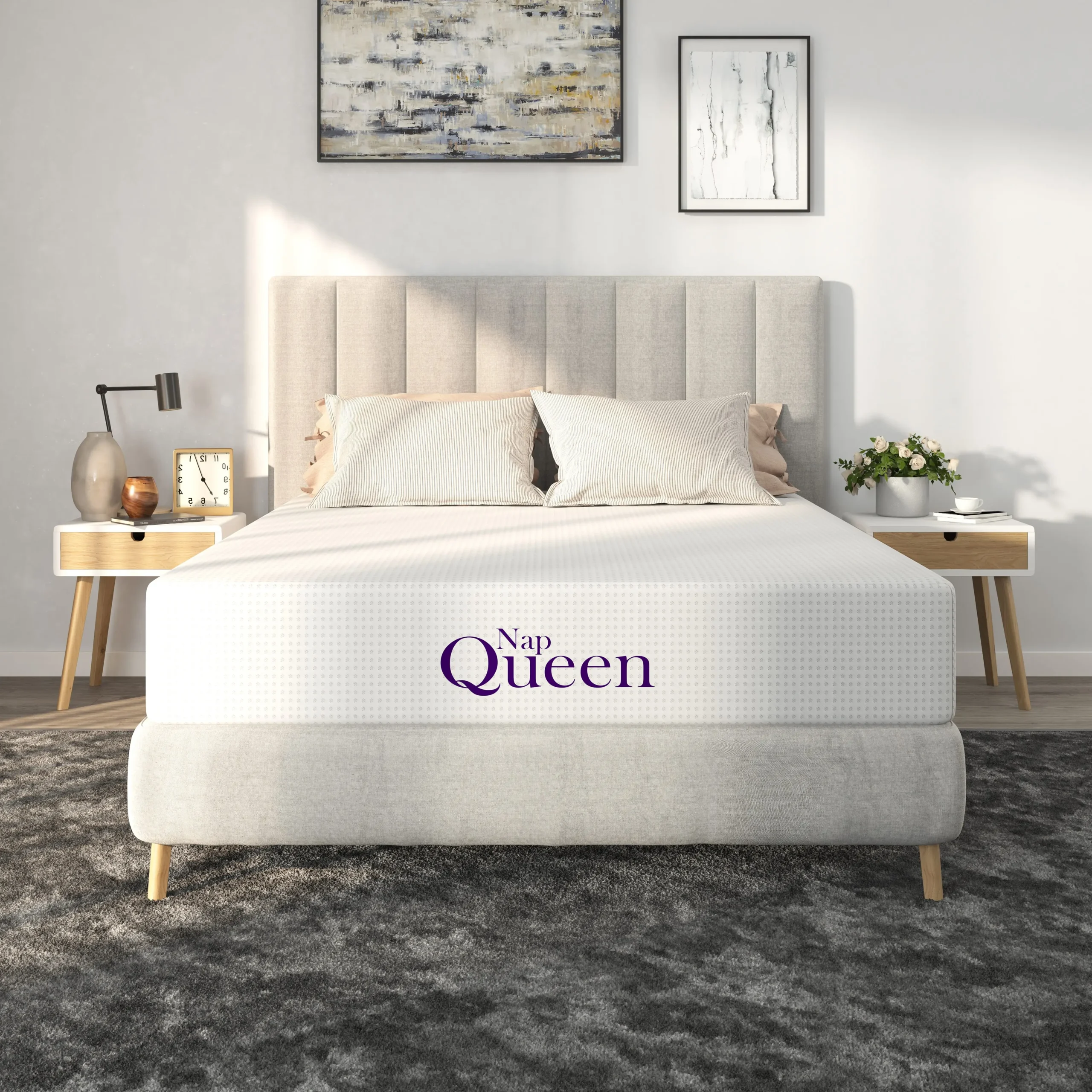
Sleep Better
Your Guide to the Perfect Memory Foam Mattress
A memory foam mattress can transform your sleep, offering personalized support and pressure relief. Whether you’re a side sleeper or prone to back pain, understanding the key factors will help you find the right fit.
What Makes a Memory Foam Mattress Special?
Memory foam is known for its ability to contour to your body, cradling pressure points like shoulders and hips. This material responds to heat and weight, creating a personalized sleep surface. Unlike traditional innerspring mattresses, a memory foam mattress minimizes motion transfer, so you won’t be disturbed by a partner’s movements.
One of the biggest benefits is pressure relief. By distributing weight evenly, memory foam can reduce tossing and turning. Many people find it helps with back and joint pain. If you’re considering a memory foam mattress, you’re investing in comfort that adapts to you.
Key Factors to Consider Before Buying
Not all memory foam mattresses are created equal. Here’s what to look for:
- Density: Higher density foam is more durable and supportive, but may retain more heat. Lower density is softer and cooler, but may sag sooner.
- Firmness: Choose based on your sleep position. Side sleepers often prefer medium-soft to medium; back sleepers medium to medium-firm; stomach sleepers firm.
- Thickness: A 6-inch mattress is ideal for kids, guest rooms, or bunk beds. For adults, 8-12 inches offers more support.
- Cooling features: Look for gel infusions, open-cell foam, or breathable covers to prevent overheating.
For more technical details on foam density, check out this Wikipedia article on memory foam.
Understanding Firmness and Sleep Position
Your sleep position is crucial when selecting a memory foam mattress. Side sleepers need softer foam to relieve shoulder and hip pressure. Back sleepers benefit from medium firmness that supports the spine’s natural curve. Stomach sleepers require firmer support to prevent hips from sinking, which can strain the lower back.
If you change positions often, a medium-firm memory foam mattress is a versatile choice. Many mattresses offer zoned support, with firmer foam in the center and softer edges.
Density and Durability: What to Expect
Memory foam density is measured in pounds per cubic foot (PCF). A density of 3-4 PCF is considered high quality and can last 8-10 years. Lower density foam (1.5-2.5 PCF) may be less expensive but could develop indentations sooner.
For example, a 6-inch memory foam mattress often uses a 2-3 PCF foam core with a comfort layer. While sufficient for occasional use, daily sleepers may prefer a thicker mattress with higher density for long-term durability.
Cooling Technology: Stay Comfortable All Night
Traditional memory foam is known for trapping heat, but modern designs address this. Gel-infused foam absorbs and dissipates heat, while open-cell foam allows better airflow. Some mattresses have breathable covers made from cotton or bamboo.
If you tend to sleep hot, prioritize a memory foam mattress with cooling features. You can also use a breathable mattress protector or cooling sheets.
Motion Isolation: Perfect for Couples
Memory foam excels at absorbing movement. When your partner gets up or shifts, you’re less likely to feel it. This makes a memory foam mattress an excellent choice for couples with different schedules or restless sleepers.
Test this by placing a glass of water on the mattress and pressing nearby—if the water barely ripples, motion isolation is good.
Edge Support and Foundation Requirements
One downside of some memory foam mattresses is weak edge support, which can make sitting on the edge feel unstable. Look for reinforced edges if you frequently sit on the side of the bed.
Memory foam mattresses require a solid, flat foundation. A slatted bed frame with slats no more than 3 inches apart works well, or you can use a bunkie board. Avoid box springs with springs, as they don’t provide enough support.
How to Care for Your Memory Foam Mattress
To extend the life of your memory foam mattress, rotate it every 6 months (if not one-sided). Use a washable mattress protector to shield from spills and dust mites. Vacuum the surface occasionally to remove allergens.
Most memory foam mattresses come with a 10-year warranty. Follow the manufacturer’s guidelines for cleaning—never use harsh chemicals or soak the foam.
6 Inch Memory Foam Mattress – Twin, Full, Queen Sizes
For a reliable and affordable option, consider the 6 Inch Memory Foam Mattress available in twin, full, and queen sizes—ideal for guest rooms or kids.
Frequently asked questions
How long does a memory foam mattress last?
A quality memory foam mattress typically lasts 8-10 years with proper care. Higher density foam tends to be more durable.
Is memory foam good for back pain?
Yes, many people find memory foam helps with back pain because it contours to the spine and relieves pressure points. However, firmness preference matters—medium-firm is often recommended.
Does memory foam sleep hot?
Traditional memory foam can retain heat, but modern versions with gel, open-cell foam, or breathable covers significantly reduce heat buildup.
Can I use a memory foam mattress on an adjustable bed?
Yes, most memory foam mattresses are flexible enough to work with adjustable bases. Check the manufacturer’s specifications to be sure.
