
Blog
The Complete Guide to Choosing a Solid Wood Sideboard
Buying Guide
How to Choose a Solid Wood Sideboard
A solid wood sideboard is more than just storage—it’s a statement piece that anchors your dining room or living area. In this guide, we’ll help you find the perfect one for your space.
Why Choose a Solid Wood Sideboard?
Solid wood sideboards offer durability, timeless beauty, and natural warmth that veneers can’t match. They age gracefully and can be refinished, making them a sustainable investment. Whether your style is mid-century modern or rustic farmhouse, a solid wood sideboard fits seamlessly.
Styles of Solid Wood Sideboards
Mid-Century Modern
Clean lines, tapered legs, and organic shapes define this style. Often made from teak or walnut, it adds a retro touch.
Farmhouse
Reclaimed wood, distressed finishes, and chunky hardware create a cozy, lived-in look. Perfect for country-inspired homes.
Contemporary
Sleek, minimalist designs with flat panels and hidden hardware. Often in lighter woods like oak or maple.
Scandinavian
Functionality meets simplicity with light woods, slim profiles, and clean lines. Focus on craftsmanship and natural textures.
Types of Wood for Sideboards
- Oak: Strong, prominent grain, durable. Ideal for heavy use.
- Walnut: Rich dark color, straight grain, luxurious feel.
- Teak: Water-resistant, golden-brown, often used in mid-century designs.
- Maple: Light, even grain, can be stained to mimic other woods.
- Cherry: Warm reddish tones that darken with age.
Learn more about hardwood types on Wikipedia.
Size and Placement
Measure your wall space. Standard sideboards are 48-60 inches wide and 30-36 inches high. Leave at least 3 feet of clearance for traffic. Consider the room’s proportions: a large sideboard can overwhelm a small space, while a narrow one might look lost in a grand room.
Storage and Functionality
Think about what you’ll store: dinnerware, linens, or electronics. Drawers are great for flatware, cabinets for larger items. Open shelving displays decor but requires tidiness. Some sideboards have adjustable shelves for flexibility.
Caring for Your Solid Wood Sideboard
Dust regularly with a soft cloth. Use coasters and placemats to prevent water rings. Avoid direct sunlight to prevent fading. Apply furniture polish or wax every few months to maintain the finish. With proper care, a solid wood sideboard can last a lifetime.
Budget Considerations
Solid wood sideboards cost more than veneer but offer better longevity. Prices vary by wood type, construction quality, and brand. Expect to pay $800–$2,000 for a well-made piece. Remember, it’s an investment in your home’s style and function.
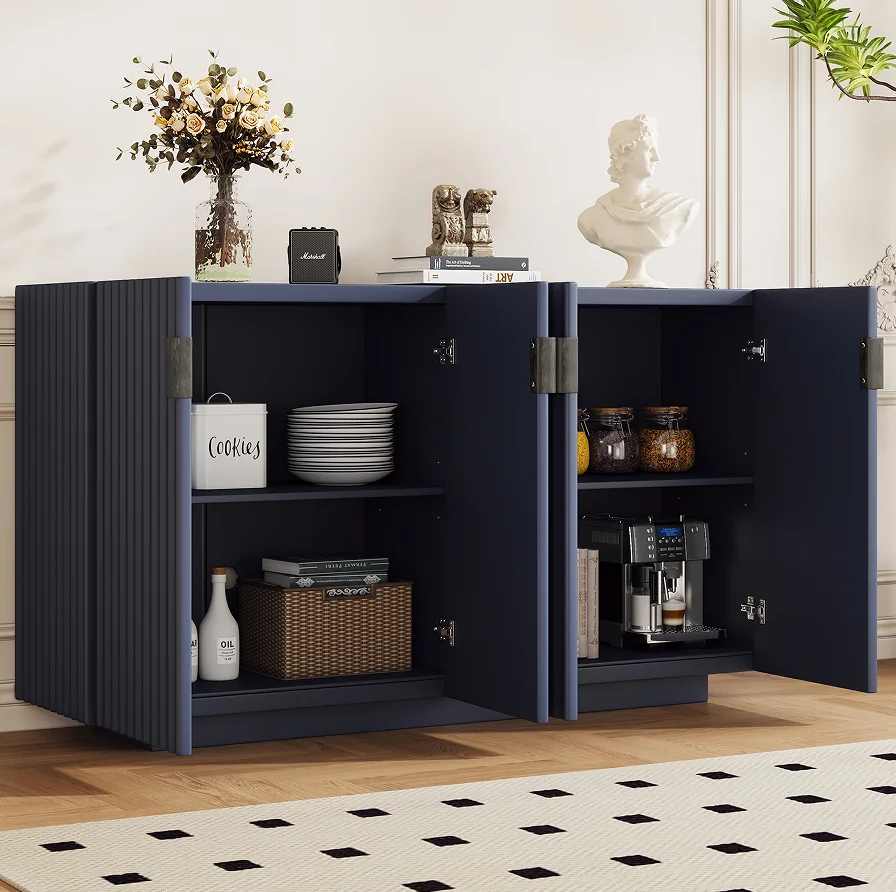
Goldoma Solid Wood Modern Storage Sideboard with 4 Fluted Doors
For a beautifully crafted option, consider the Goldoma Solid Wood Modern Storage Sideboard with 4 Fluted Doors, which combines clean lines with ample storage.
Frequently asked questions
What is the best wood for a solid wood sideboard?
The best wood depends on your style and needs. Oak is durable and affordable, walnut offers rich color, and teak is moisture-resistant. Maple and cherry are also excellent choices.
How do I measure for a sideboard?
Measure the width, height, and depth of the space. Leave at least 36 inches of clearance in front for walking. Consider the sideboard’s scale relative to the room and other furniture.
Can a solid wood sideboard be used in a dining room?
Absolutely. It’s perfect for storing dinnerware, linens, and serving pieces. It also provides a surface for buffets and decor.
How do I clean a solid wood sideboard?
Dust with a soft, dry cloth. For spills, wipe immediately with a slightly damp cloth and dry. Avoid harsh chemicals. Use furniture polish occasionally to maintain the finish.
