
Blog
Find Your Perfect Natural Wood End Table for Any Room
Buying Guide
How to Choose a Natural Wood End Table
A natural wood end table can anchor your seating area with warmth and character. Whether you need a spot for your coffee or a display surface, this guide helps you find the perfect one.
1. Why a Natural Wood End Table?
A natural wood end table brings organic texture and timeless appeal to any room. Unlike mass-produced pieces, each wood table has unique grain patterns. It pairs well with various decor styles—from modern to rustic. If you’re looking for durability and sustainability, wood is a great choice.
2. Types of Wood for Your End Table
Different woods offer different looks and strengths. Here are common options:
- Oak: Hard, prominent grain; classic and sturdy.
- Walnut: Dark, rich tones; elegant.
- Pine: Light, soft; affordable and rustic.
- Acacia: Dense, water-resistant; exotic grain.
Consider where the table will live. For high-traffic areas, harder woods like oak or walnut resist dents. For a light, airy feel, pine works well.
3. Size and Shape: Finding the Right Fit
Measure your space before buying. A typical end table is 20-24 inches tall—similar to your sofa arm height. Width and depth depend on available space: a square table (e.g., 20 inches) fits tight corners; a round one softens angular rooms. Allow at least 18 inches between table and sofa for easy reach.
4. Finish and Color Considerations
Finishes protect the wood and affect its look. Matte finishes show less fingerprints; glossy ones highlight grain. Natural oils or waxes give a raw feel, while polyurethane adds durability. Color should complement your existing furniture. Lighter woods expand a small room; darker ones add coziness.
5. Style and Design Elements
Your end table can be a statement or subtle. Mid-century modern designs feature tapered legs; farmhouse styles may have turned legs or distressed finishes. Industrial tables mix wood with metal accents. For a cohesive look, match the table’s style to your room’s vibe. A natural wood table with iron accents bridges rustic and modern.
6. Functionality and Features
Think about how you’ll use the table. Do you need storage? Drawers or shelves hide remotes and magazines. A lower shelf is great for books or baskets. If you often eat or work at the table, a smooth, easy-to-clean surface is key. Some tables have adjustable heights or casters for flexibility.
7. Care and Maintenance Tips
Keep your natural wood end table looking new with simple care:
- Dust regularly with a soft cloth.
- Clean spills immediately to avoid stains.
- Use coasters for drinks and trivets for hot items.
- Apply wood polish occasionally to maintain luster.
- Avoid direct sunlight to prevent fading.
8. Where to Place Your End Table
End tables shine next to sofas, armchairs, or beds. In a living room, flank the sofa with matching tables for symmetry. In a bedroom, use one as a nightstand. A single table can act as a plant stand or entryway catchall. Don’t overcrowd—leave breathing room around the piece.
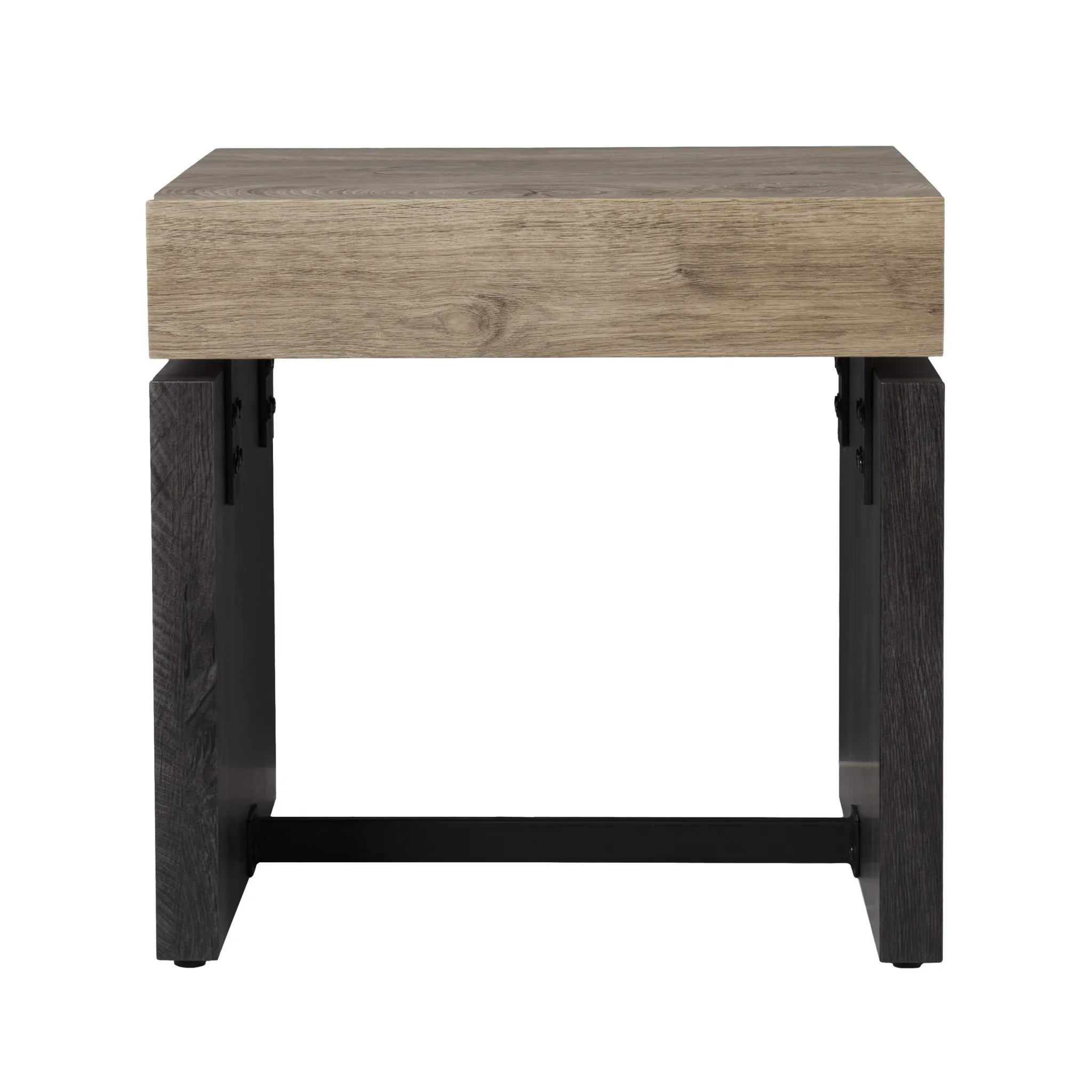
Goldoma 20″ Natural Wood Square End Table with Iron Accents
For a thoughtfully designed option, the Goldoma 20″ Natural Wood Square End Table with Iron Accents combines solid acacia wood with sturdy iron legs—perfect for adding a touch of nature to your space.
Frequently asked questions
What height should a natural wood end table be?
Typically, end tables are 20 to 24 inches tall—about the same height as your sofa arm. This allows easy reach for drinks or items. Measure your sofa arm height and choose a table within an inch or two.
Can I use a natural wood end table outdoors?
Most natural wood end tables are designed for indoor use. If you want to use one outdoors, look for weather-resistant woods like teak or acacia, and apply a protective sealant. Even then, it’s best to keep it covered or in a sheltered area.
How do I match a natural wood end table with my decor?
Consider the wood tone and style. For a cohesive look, match the wood color to other furniture in the room. Alternatively, use contrast—a dark table in a light room creates a focal point. The table’s design should echo your room’s overall aesthetic, whether modern, rustic, or traditional.
What is the best wood for a durable end table?
Hardwoods like oak, walnut, and maple are very durable and resist scratches and dents. Acacia is also strong and water-resistant. Softwoods like pine are less durable but can be protected with a hard finish. Choose based on your budget and how much wear the table will get.