
Blog
How to Choose a Small Dining Table for Your Home
Buying Guide
Your Complete Guide to the Perfect Small Dining Table
Finding the right small dining table can transform a cozy nook into a functional and inviting space. Whether you live in an apartment or have a compact kitchen, a well-chosen small dining table is key to making the most of your home.
Why a Small Dining Table Works for Modern Living
In today’s homes, space is often at a premium. A small dining table offers a dedicated area for meals, work, or hobbies without overwhelming a room. Its compact footprint makes it ideal for apartments, breakfast nooks, or as an accent piece in a living area. Beyond saving space, these tables encourage intimate gatherings and efficient use of square footage.
Key Considerations When Choosing a Small Dining Table
Before you buy, think about your primary use. Will it be for daily meals, occasional dinner parties, or as a desk? Here are factors to weigh:
- Size: Measure your available space, leaving at least 36 inches around the table for chairs and movement.
- Shape: Round tables promote conversation and fit tight corners, while rectangular ones offer more surface area.
- Material: Solid wood is durable and timeless; glass can make a room feel larger; metal offers industrial flair.
- Style: Match your existing decor—modern, rustic, or transitional.
Best Shapes for a Small Dining Table
Round tables are often the best choice for small spaces because they have no sharp corners and can fit into tight spots. They also allow for flexible seating. Square tables work well for two or four people, while rectangular tables provide extra length for serving dishes. Consider a drop-leaf or extendable design if you occasionally need more surface area.
Materials: Solid Wood vs. Alternatives
Solid wood is a popular choice for its strength and natural beauty. Wood can be sanded and refinished, extending the table’s life. Alternatives like MDF or particleboard are lighter and cheaper but less durable. For eco-conscious buyers, look for sustainably sourced wood or reclaimed materials. Metal and glass offer modern aesthetics but may require more maintenance.
Styling Your Small Dining Table
Make your table a focal point with a simple centerpiece, like a vase or a runner. Use chairs that slide under the table to save space. In open-plan rooms, a small dining table can define the dining area without visual clutter. Add a mirror or artwork nearby to create depth. Remember, less is more—keep the table clear when not in use to maintain an airy feel.
Space-Saving Tips and Accessories
Maximize your small dining table’s utility with these ideas:
- Choose stackable or folding chairs that can be stored away.
- Use a tablecloth or placemats that are easy to clean.
- Add a shelf or cart nearby for extra serving space.
- Consider a table with built-in storage, like drawers or shelves.
With the right approach, your small dining table can serve many purposes, from dining to remote work.
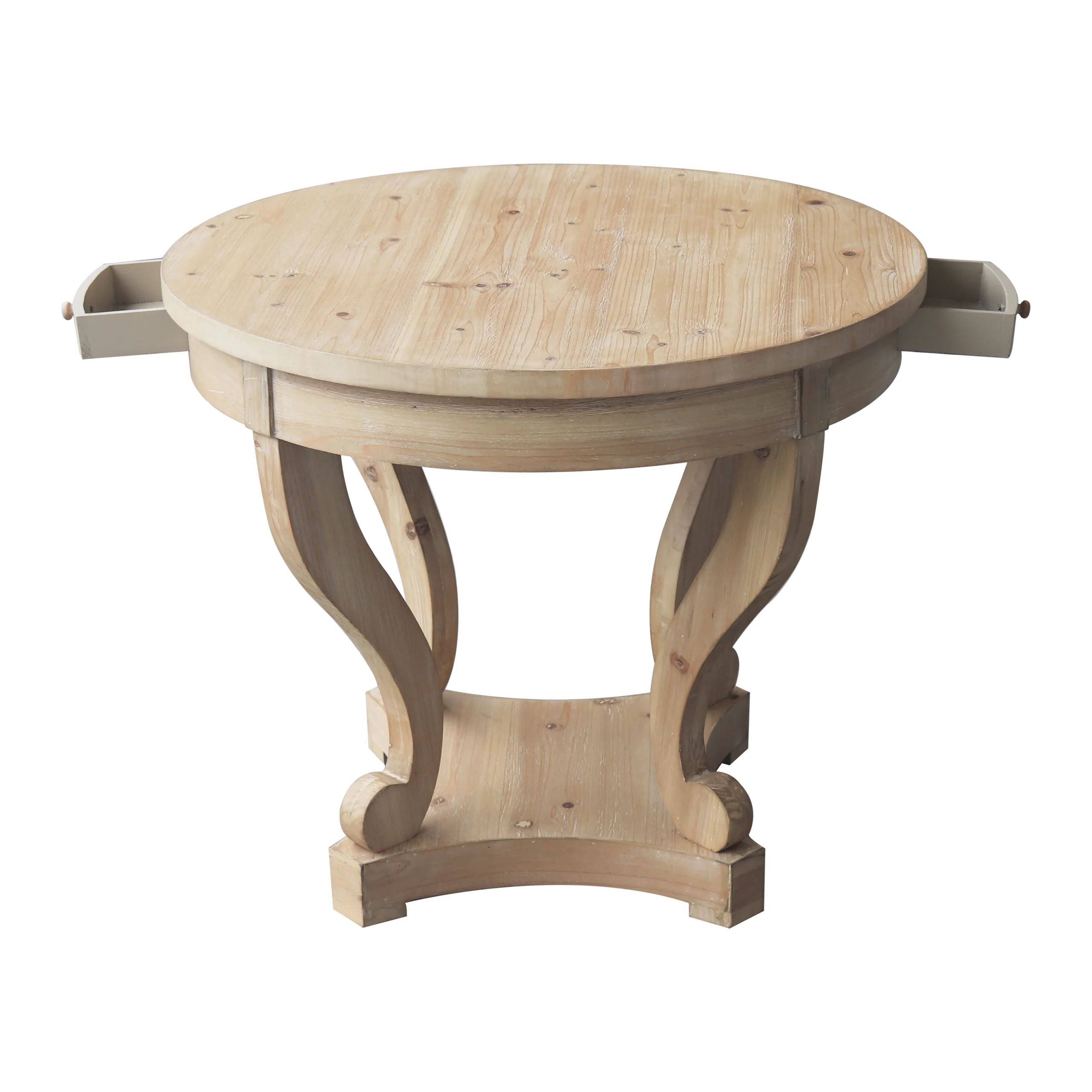
Goldoma Solid Wood Curved Legs Small Dining Table – Eco-Friendly Modern End Table
For a beautifully crafted option, consider the Goldoma Solid Wood Curved Legs Small Dining Table, which combines eco-friendly materials with modern design.
Frequently asked questions
What is the ideal size for a small dining table?
For two people, a 24-30 inch round or square table works. For four, look for a 36-48 inch round or 48×30 inch rectangular table. Always measure your room and leave at least 36 inches of clearance around the table.
Can a small dining table fit in a studio apartment?
Yes, many small dining tables are designed for compact spaces. Consider a drop-leaf or wall-mounted table that folds down when not in use. Round tables also work well in studios.
What materials are best for a small dining table?
Solid wood is durable and classic. Glass tops make a room feel larger but require more cleaning. Metal and laminate are budget-friendly and easy to maintain. Choose based on your style and durability needs.
How do I choose chairs for a small dining table?
Opt for chairs that can tuck completely under the table to save space. Armless chairs or stools are great for tight spots. If possible, choose chairs that match the table’s style and height.