
Blog
Silver Distressed End Table: Style & Buying Guide
Buying Guide
Find Your Perfect Silver Distressed End Table
A silver distressed end table adds vintage charm and modern elegance to any room. In this guide, we’ll help you navigate the options and find the perfect piece for your home.
Why Choose a Silver Distressed End Table?
A silver distressed end table brings a unique blend of rustic character and contemporary shine to your living space. The distressed finish evokes a sense of history, while the silver hue adds a touch of glamour. Whether you’re decorating a cozy reading nook or a formal living room, this versatile piece can anchor the area with understated sophistication. Plus, its compact size makes it ideal for smaller spaces where every inch counts.
Key Features to Look For
When shopping for a silver distressed end table, consider the following features to ensure you get the best value:
- Material Quality: Solid wood or metal frames offer durability. Look for tabletops made of tempered glass or hardwood for longevity.
- Distressing Technique: Hand-distressed finishes tend to look more authentic than machine-made ones. Check for variations in color and texture.
- Size and Proportions: Measure your space. Standard end tables are around 20-26 inches tall and 16-24 inches wide. Ensure it fits comfortably beside your sofa or chair.
- Storage Options: Some models include drawers or lower shelves, perfect for remotes, magazines, or coasters.
- Stability: A sturdy base prevents wobbling. Look for tables with wide legs or a central pedestal.
How to Style Your Silver Distressed End Table
Integrating a silver distressed end table into your existing decor is easier than you might think. Its neutral metallic tone pairs well with various color palettes. For a cohesive look, place it beside a neutral-toned sofa and top it with a ceramic lamp and a small succulent. If you prefer contrast, set it against a dark accent chair to let the silver pop. Layering textures—like a soft throw or a woven basket underneath—adds depth. Remember, the goal is to create visual interest without overcrowding the surface.
Materials and Construction Explained
Understanding the materials used in a silver distressed end table helps you make an informed purchase. Many tables feature a combination of wood and metal. The wood base is often crafted from rubberwood or pine, which are sturdy and sustainable. The silver finish is typically achieved through a multi-step process involving paint, glaze, and sanding to create the worn look. Glass tops are common, adding a modern touch and making the piece feel lighter. For a more traditional feel, opt for a solid wood top. Always check the product details for assembly requirements and weight capacity.
Comparing Styles: Traditional vs. Modern
Silver distressed end tables come in a range of styles. Traditional designs often feature ornate legs, curved edges, and intricate distressing that mimics antique furniture. These work well in classic or cottage-style interiors. On the other hand, modern interpretations have clean lines, simple shapes, and subtle distressing, fitting seamlessly into contemporary or industrial spaces. Consider the overall aesthetic of your room. A traditional table can become a focal point, while a modern one blends in as a subtle accent. For more on design eras, see Wikipedia’s overview of furniture styles.
Care and Maintenance Tips
To keep your silver distressed end table looking its best, follow these simple care guidelines. Dust regularly with a soft, dry cloth. For glass tops, use a glass cleaner and a microfiber cloth to avoid streaks. Avoid placing hot items directly on the surface—use coasters or trivets. If the distressed finish gets scratched, you can gently touch it up with a matching silver paint or wax. Keep the table away from direct sunlight to prevent fading. With proper care, your table will maintain its charm for years.
Where to Place Your End Table
The beauty of a silver distressed end table is its versatility. In the living room, place it beside a sofa or armchair to hold drinks, books, or decorative objects. In a bedroom, use it as a nightstand for a lamp and your phone. It also works well in a hallway as a catchall for keys and mail. For small apartments, consider using it as a compact desk or a plant stand. The key is to position it where it’s both functional and visually balanced. Experiment with different spots until it feels right.
Budgeting for Your Purchase
Silver distressed end tables are available at various price points, typically ranging from $80 to $300. Factors that influence cost include material quality, brand reputation, and craftsmanship. While it’s tempting to go for the cheapest option, investing a little more often yields a piece that lasts longer and looks better. Set a budget before you start shopping, and prioritize features that matter most to you—like solid wood construction or a unique finish. Remember, a well-chosen end table can elevate your entire room’s design.
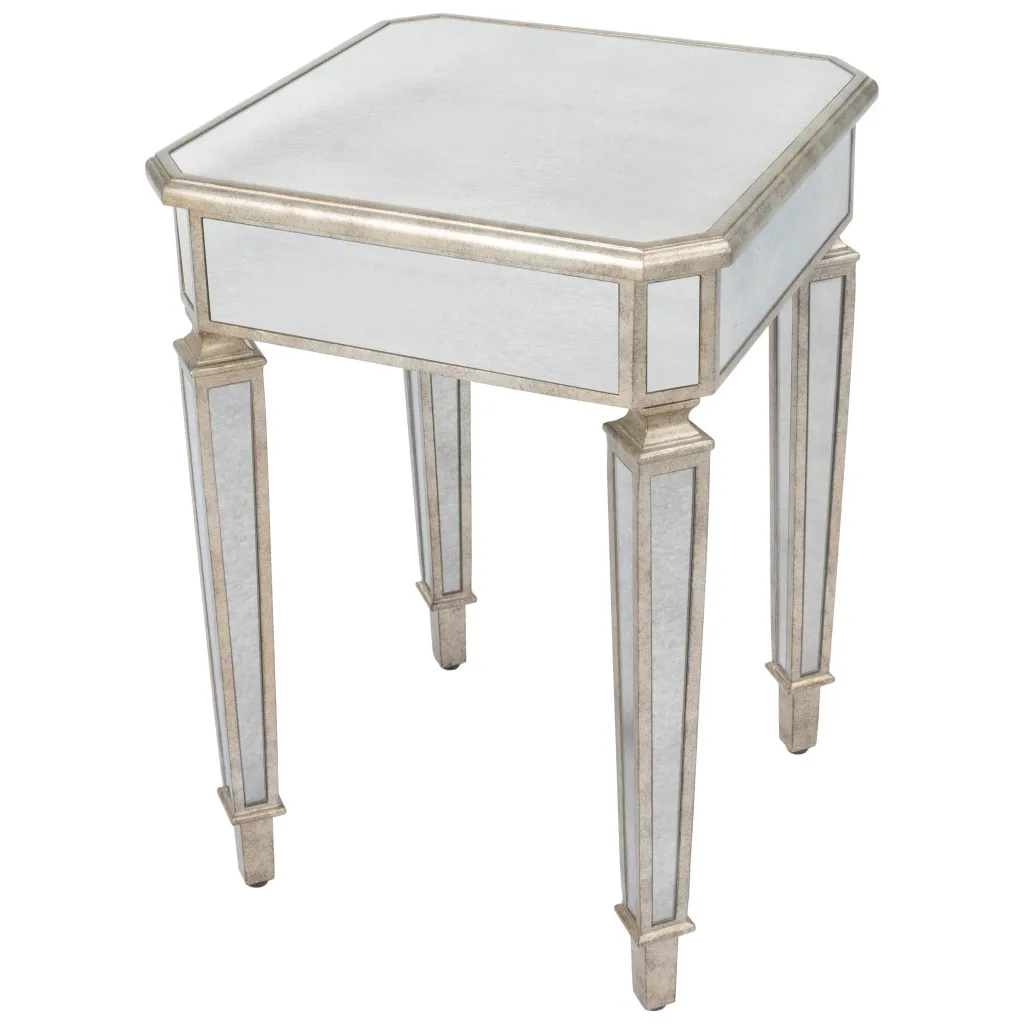
Goldoma 26″ Silver Distressed Glass Square End Table
For a reliable choice, consider the Goldoma 26″ Silver Distressed Glass Square End Table, which combines quality materials and a timeless design.
Frequently asked questions
What is a silver distressed end table?
A silver distressed end table is a small table with a silver-colored finish that has been intentionally aged or worn to create a vintage, rustic look. It typically features a combination of wood and metal, and often includes a glass top.
How do I clean a silver distressed end table?
Dust regularly with a soft cloth. For glass tops, use glass cleaner and a microfiber cloth. Avoid abrasive cleaners that can damage the distressed finish. Wipe spills immediately.
Can I use a silver distressed end table outdoors?
Most silver distressed end tables are designed for indoor use only. Exposure to moisture and sunlight can damage the finish. If you need an outdoor table, look for one specifically rated for outdoor use.
What size end table should I choose?
Measure the height of your sofa or chair arm. Ideally, the table top should be within 2 inches of the arm height. Standard end tables are 20-26 inches tall. Allow at least 16-18 inches of width for functionality.
