
Blog
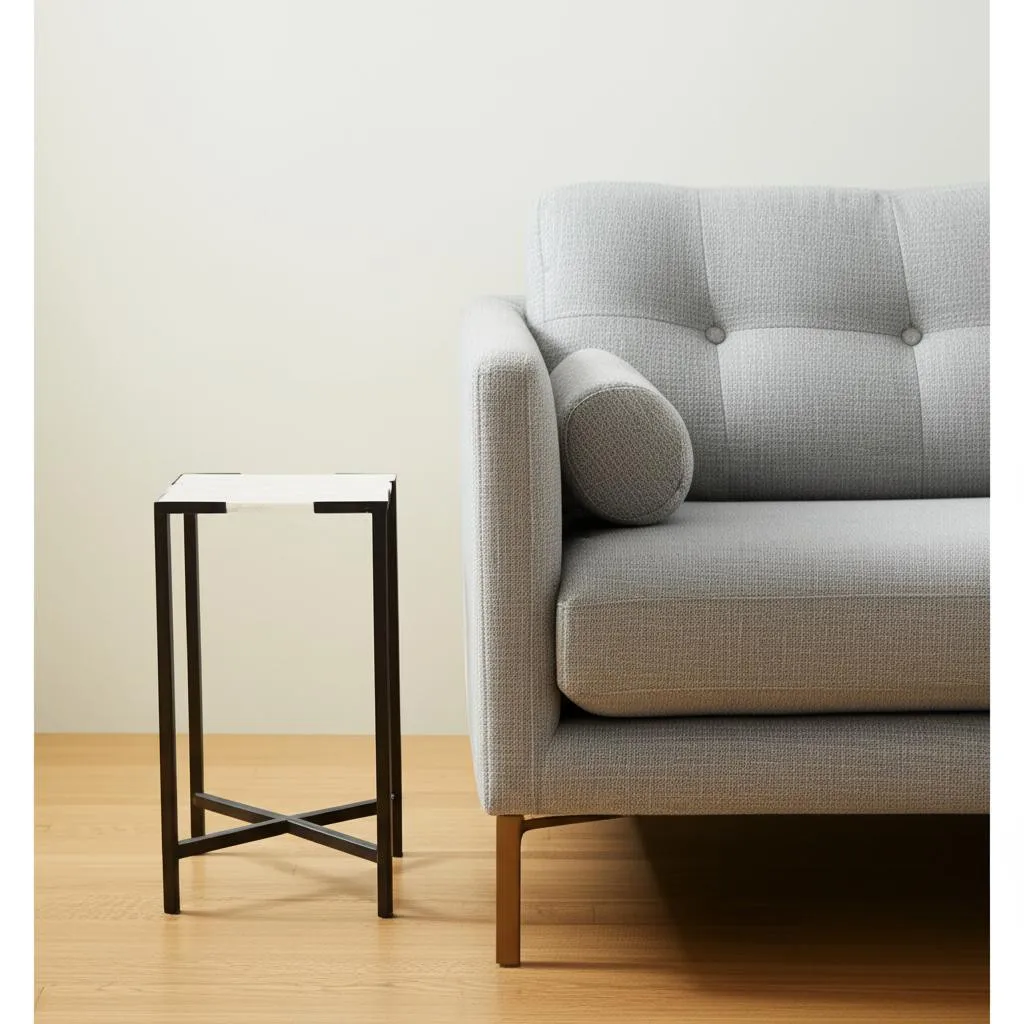
Farmhouse Marble End Table: Style & Durability
Buying Guide
Choose the Perfect Farmhouse Marble End Table
A farmhouse marble end table can anchor your living room with timeless elegance. Whether you’re drawn to rustic charm or modern farmhouse aesthetics, this guide helps you select a piece that balances beauty and practicality.
Why a Farmhouse Marble End Table?
A farmhouse marble end table brings together two beloved design elements: the warmth of farmhouse style and the sophistication of natural stone. Marble offers a cool, smooth surface that contrasts beautifully with reclaimed wood or wrought iron bases. It’s also surprisingly durable when sealed properly, making it suitable for daily use. The key is finding a table that fits your space without overwhelming it.
Key Features to Look For
When shopping for a farmhouse marble end table, consider these factors:
- Marble quality: Look for genuine marble with minimal veining for a consistent look. Carrara and Calacatta are popular choices.
- Base material: Wrought iron or wood bases add farmhouse character. Ensure the base is sturdy and level.
- Size: Standard end tables are 24 inches tall. Measure your sofa arm height to ensure comfortable reach.
- Finish: A honed or matte finish hides fingerprints better than polished marble.
Style Tips: Blending Marble with Farmhouse Decor
Farmhouse style often emphasizes natural materials and simplicity. A marble end table can serve as a neutral anchor. Pair it with a jute rug, linen sofa, and wooden accents. For a cohesive look, choose a table with a base that matches your existing furniture—black iron for industrial farmhouse, or distressed wood for classic farmhouse.
Color Coordination
White marble works with any color scheme. If your room has warm tones, opt for marble with beige or gold veining. Cool gray veining suits blue or gray palettes.
Durability and Maintenance
Marble is porous and can stain. Seal your table every 6-12 months with a quality sealer. Clean spills immediately with a soft cloth and mild soap. Avoid acidic substances like lemon juice or vinegar. With proper care, a farmhouse marble end table can last for decades.
Size and Proportion Guide
Measure the height of your sofa or chair arm. Ideally, the table top should be within 2 inches of the arm height. Width should be proportional—a 24-inch diameter or square top works well for most seating. Leave at least 18 inches of clearance between the table and other furniture for easy movement.
Where to Place Your End Table
End tables are versatile. Use one beside a sofa, between two chairs, or as a nightstand. In a farmhouse setting, consider pairing it with a reading lamp and a stack of books. The marble surface also works well for holding drinks or decorative trays.
Comparing Materials: Marble vs. Alternatives
While marble is elegant, consider alternatives like quartzite (more durable) or travertine (softer look). However, marble remains the classic choice for its unique veining and timeless appeal. A farmhouse marble end table adds value to your home and serves as a conversation piece.
Goldoma 24″ Farmhouse Marble End Table with Abstract Iron Base
For a standout piece, consider the Goldoma 24″ Farmhouse Marble End Table with Abstract Iron Base, which blends classic marble with a modern artistic twist.
Frequently asked questions
Is marble easy to maintain in an end table?
With regular sealing and prompt cleaning, marble is manageable. Avoid abrasive cleaners and acidic spills. Use coasters and placemats to protect the surface.
What size end table should I choose?
For a standard sofa, a 24-inch tall table with a 20-24 inch wide top is ideal. Ensure the height aligns with the armrest for comfortable access.
Can marble end tables work in small spaces?
Yes, a compact farmhouse marble end table can fit in tight corners. Look for slim bases and round tops to maximize floor space.
How do I prevent scratches on marble?
Use felt pads under objects, avoid dragging items across the surface, and clean with a soft cloth. For existing scratches, consult a professional for polishing.
