
Blog
The Best Manual Recliner for Comfort and Style in 2025
Buying Guide
How to Choose the Best Manual Recliner
Finding the best manual recliner for your living space can transform how you relax. Whether you need a cozy reading nook or a family room staple, the right recliner blends comfort, durability, and style.
Why a Manual Recliner Might Be Your Best Choice
Manual recliners offer simplicity and reliability. With no motors or cords, they are often lighter, quieter, and more affordable than power options. You control the recline angle by leaning back or using a side lever, giving you a natural feel that many people prefer. Plus, manual mechanisms tend to last longer because there are fewer parts to break. If you value straightforward functionality and a lower price point, a manual recliner is worth considering.
Key Features to Look For in the Best Manual Recliner
When shopping for the best manual recliner, focus on these aspects:
- Comfort and Support: Look for high-density foam cushions and a sturdy frame. Test the seat depth and back height to ensure they fit your body.
- Recline Mechanism: Smooth operation is crucial. Try the lever or push-back motion to see if it feels natural.
- Upholstery Material: Fabric options like microfiber or linen are durable and easy to clean. Leather or faux leather offers a classic look but may require more maintenance.
- Size and Space: Measure your room and consider how much space the recliner needs in full recline. Some models fit tighter spaces.
- Additional Functions: Features like rocking, gliding, or swivel can enhance relaxation. Think about what you value most.
Manual vs. Power Recliners: Making the Right Choice
Both manual and power recliners have their merits. Manual recliners are typically less expensive, easier to maintain, and do not require an electrical outlet. Power recliners offer infinite positions and often include lumbar support or USB ports. However, they cost more and can fail if the motor breaks. For many, the best manual recliner strikes a balance between cost and convenience. If you prefer simplicity and don’t need advanced features, go manual.
Who Should Choose a Manual Recliner?
Manual recliners are ideal for people who want a straightforward, budget-friendly seating option. They are great for small apartments, home theaters, or as an accent chair. Families with children or pets may appreciate the durability and lack of electrical components. Also, manual recliners are often lighter, making them easier to move when redecorating.
Upholstery Materials: Which One Suits Your Lifestyle?
The material of your recliner affects both comfort and longevity. Here’s a quick breakdown:
- Fabric: Soft, breathable, and available in many colors. It’s a popular choice for living rooms. Look for stain-resistant treatments if you have kids or pets.
- Leather: Elegant and easy to wipe clean, but can be cold in winter and hot in summer. It also shows wear over time.
- Faux Leather: Offers a leather look at a lower cost, but may crack or peel after a few years.
- Microfiber: Extremely durable and stain-resistant, making it a practical choice for high-traffic areas.
For a balance of comfort and durability, a high-quality fabric like the one used in the best manual recliner models is often the safest bet.
Space Considerations: Finding the Right Fit
Before buying, measure your room and the recliner’s footprint. Manual recliners typically need about 3 feet of clearance behind them to recline fully. Some space-saving designs, like wall-hugger recliners, can be placed closer to the wall. If you have a small room, look for a compact model that doesn’t sacrifice comfort. Also, consider the recliner’s height and width to ensure it fits through doorways and complements your existing furniture.
Top Brands and What They Offer
Many furniture brands produce reliable manual recliners. Recliner technology has evolved significantly, with brands focusing on ergonomics and style. While we don’t endorse specific names, look for companies known for solid construction and good warranties. Reading customer reviews can reveal insights about comfort and durability over time. Remember, the best manual recliner for you depends on your personal preferences and needs.
Budgeting for Your Recliner: What to Expect
Manual recliners range from around $200 to $800 or more. At the lower end, you’ll find basic models with simpler mechanisms and less cushioning. Mid-range options ($300–$600) often offer better materials, more comfort, and additional features like rocking or gliding. High-end recliners ($600+) may feature premium upholstery, superior ergonomics, and longer warranties. Set a budget that aligns with how often you’ll use the chair and the importance of long-term durability.
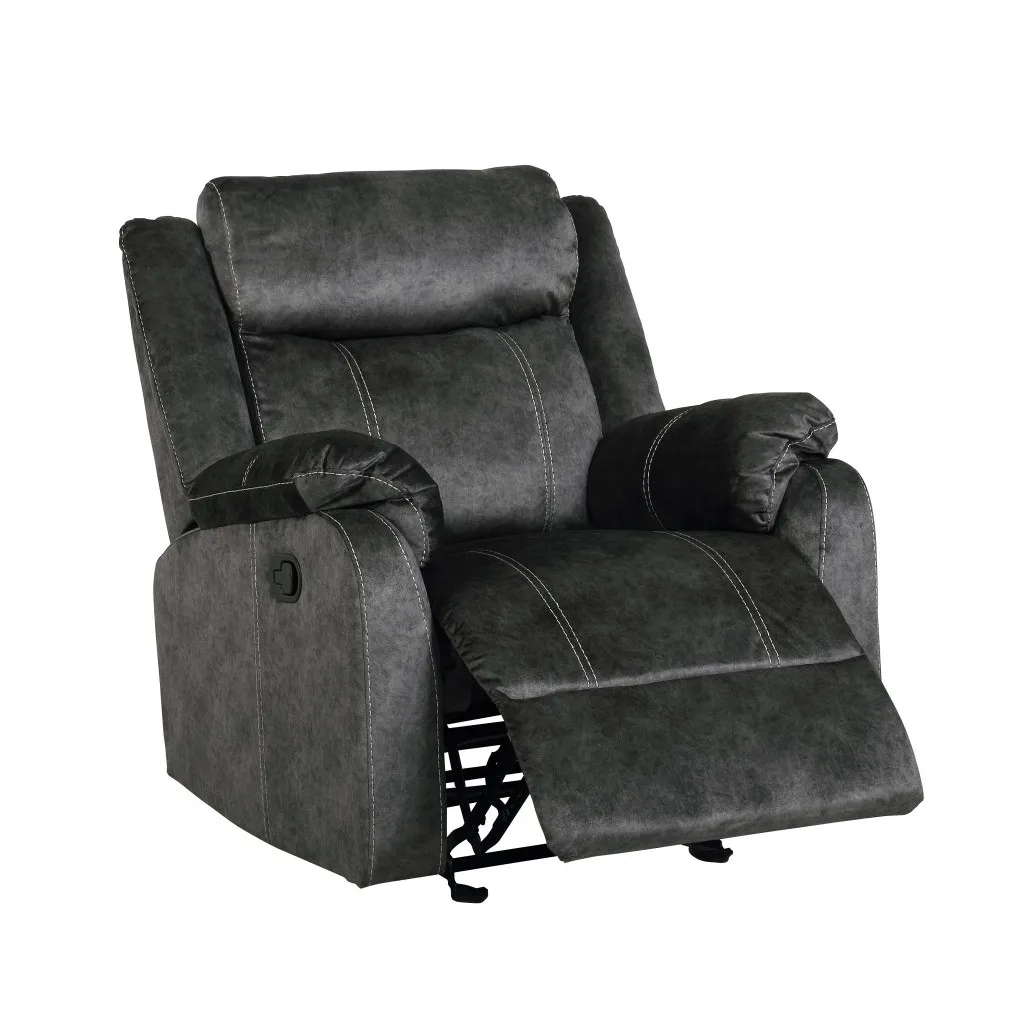
Goldoma 35 Inch Granite Gray Manual Recliner with Rocking Glider Function – Fabric Upholstery
For a reliable choice, consider the Goldoma 35 Inch Granite Gray Manual Recliner with Rocking Glider Function – Fabric Upholstery, which combines durability with a smooth gliding motion.
Frequently asked questions
What is the best manual recliner for small spaces?
Look for a wall-hugger or compact design that requires less clearance. Measure your room and check the recliner’s dimensions when fully reclined. Many manual recliners with a rocking or gliding function also save space by not needing extra room for a footrest extension.
How do I clean a fabric manual recliner?
Regularly vacuum the fabric to remove dust and debris. For spills, blot immediately with a clean cloth. Use a mild upholstery cleaner or a mixture of water and vinegar for deeper cleaning. Always check the manufacturer’s care instructions first.
Are manual recliners comfortable for tall people?
Yes, if you choose a model with a taller backrest and deeper seat. Look for recliners with extended footrests and adequate lumbar support. Trying the chair in person or checking detailed dimensions online can help ensure a good fit.
How long does a manual recliner typically last?
With proper care, a well-built manual recliner can last 5–10 years or more. The frame material (hardwood or metal), cushion density, and upholstery quality all affect longevity. Regular maintenance, like tightening bolts and cleaning, can extend its life.