
Blog
The Ultimate Guide to Choosing a Corduroy Sectional Sofa
Buying Guide
How to Pick the Perfect Corduroy Sectional Sofa
A corduroy sectional sofa brings warmth, texture, and a touch of retro charm to any living room. Whether you’re furnishing a spacious family room or a cozy apartment, this guide will help you make the right choice.
Why Choose a Corduroy Sectional Sofa?
Corduroy is a durable, soft fabric with distinctive vertical ribs (called wales). It offers a cozy, tactile experience that stands up to daily use. A corduroy sectional sofa combines this material with the flexibility of a sectional, allowing you to configure seating for conversation, lounging, or entertaining. The fabric’s natural depth adds visual interest without being loud, making it a versatile choice for minimalist, bohemian, or modern interiors.
Understanding Corduroy: Weight, Width, and Care
Not all corduroy is created equal. The fabric’s weight (lightweight vs. heavyweight) affects durability and feel. For a sofa, medium to heavyweight corduroy (8–14 wales per inch) is ideal—it’s sturdy yet soft. Wider wales create a more casual, chunky look, while narrower wales appear refined. Always check the care label: most corduroy is spot-clean only, but some are machine-washable. Regular vacuuming with a brush attachment prevents dust from settling in the ribs. Learn more about corduroy’s history and production on Wikipedia.
Sectional Configurations: L-Shaped, U-Shaped, and Modular
When shopping for a corduroy sectional sofa, consider the layout that fits your room. L-shaped sectionals are great for anchoring a corner, while U-shaped designs create a conversational pit or a cozy movie-watching nook. Modular sectionals offer the most flexibility—you can rearrange pieces as your needs change. Measure your space carefully, leaving at least 18 inches of walking room around the sofa. Don’t forget to account for chaise lengths: some extend 60–70 inches, which can overwhelm a small room.
Color and Style: Making Corduroy Work in Your Decor
Corduroy comes in a spectrum of colors, from earthy neutrals like beige, olive, and rust to bold jewel tones. A neutral corduroy sectional sofa blends seamlessly with most palettes, while a vibrant shade becomes a statement piece. The texture adds depth, so you can keep other furniture simple. For a modern minimalist look, pair a corduroy sectional with clean-lined coffee tables and matte finishes. In bohemian spaces, layer with patterned pillows and chunky throws. The fabric’s slight sheen catches light beautifully, making the sofa feel alive.
Tips for Styling
- Use pillows in contrasting textures (e.g., linen, faux fur) to break up the corduroy’s uniformity.
- Choose a rug that complements the sofa’s color—try a low-pile wool or jute for a natural look.
- Add a floor lamp with a warm bulb to enhance the corduroy’s cozy glow.
Durability and Maintenance: What to Expect
Corduroy is surprisingly resilient. The ribbed construction hides minor wear and pet hair better than smooth fabrics. However, high-traffic areas may show flattening over time. To prolong the life of your corduroy sectional sofa, rotate cushions regularly and avoid direct sunlight to prevent fading. For spills, blot immediately with a clean cloth—never rub, as this can crush the nap. Professional cleaning every 12–18 months keeps the fabric fresh. Some manufacturers offer removable cushion covers, which simplify deep cleaning.
Size and Scale: Fitting Your Space
Before buying, measure your doorways, hallways, and stairwells to ensure the sofa can be delivered. Sectionals often come in boxes that need to fit through standard 30-inch doors. Consider the depth: a deeper seat (24+ inches) is more lounging-friendly, while a shallower seat (21 inches) encourages upright sitting. For a corduroy sectional sofa, a depth of 22–24 inches balances comfort and posture. If you have a small living room, look for a compact design with a chaise that can be reversed.
Budget and Value: Investing in Quality
Corduroy sectionals range from budget-friendly to high-end, depending on the frame, fill, and fabric quality. A well-constructed piece with a hardwood frame, high-density foam cushions, and medium-weight corduroy can last 10–15 years. Don’t skimp on the base: kiln-dried hardwood with reinforced corner blocks is a sign of durability. For a balance of style and longevity, consider mid-range options. Remember that a corduroy sectional sofa is an investment in daily comfort—choose one that brings you joy every time you sit down.
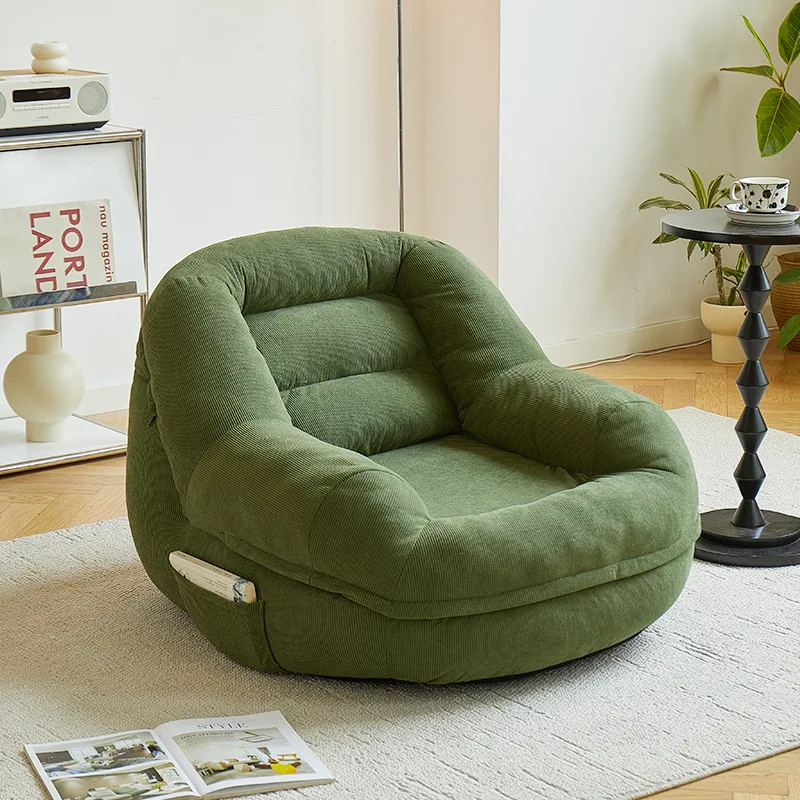
Goldoma Corduroy U-Shaped Sectional Sofa with Ottoman – Modern Minimalist Japanese Green Design, Convertible Lounger for Living Room
For a well-made option, consider the Goldoma Corduroy U-Shaped Sectional Sofa with Ottoman in Japanese Green—its minimalist design and convertible lounger fit seamlessly into modern living rooms.
Frequently asked questions
Is corduroy a good fabric for a sofa?
Yes, corduroy is durable, soft, and hides wear well. Its ribbed texture adds warmth and resists pilling better than many other fabrics. It’s a great choice for high-use living rooms.
How do I clean a corduroy sectional sofa?
Vacuum regularly with a brush attachment to remove dust and debris. For spills, blot immediately with a clean cloth—do not rub. Most corduroy is spot-clean only; check the care tag. Professional cleaning every 12–18 months is recommended.
What size sectional should I get for my living room?
Measure your room and leave at least 18 inches of walking space around the sofa. For a small room, an L-shaped sectional with a chaise under 60 inches works well. For larger spaces, a U-shaped or modular design offers ample seating.
Does corduroy attract pet hair?
Corduroy’s ribbed texture can trap pet hair, but it’s also easy to remove with a lint roller or vacuum. The fabric is more forgiving than smooth materials like velvet. Choose a color that matches your pet’s fur to minimize visibility.