
Blog
The Ultimate Modular Sofa Buying Guide
Buying Guide
Find Your Perfect Modular Sofa Layout
A modular sofa is a versatile seating solution that adapts to your changing needs, offering endless configuration possibilities for any room size.
Why Choose a Modular Sofa?
Modular sofas have revolutionized modern living by offering flexibility and customization. Unlike traditional fixed sofas, modular designs consist of individual sections—like seats, armless units, and chaises—that can be rearranged to fit your space and lifestyle. Whether you need a cozy two-seater for a small apartment or a sprawling U-shape for entertaining, a modular sofa grows with you. Plus, they’re easier to move through doorways and stairs, making them ideal for urban dwellers.
Key Factors to Consider Before Buying
Before investing in a modular sofa, think about your room’s dimensions, traffic flow, and how you use the space. Measure your room carefully, including doorways and hallways for delivery. Consider the sofa’s depth: deeper seats are great for lounging, while shallower ones suit formal settings. Also, decide on the number of seats and whether you want add-ons like chaise lounges, ottomans, or sleeper units. A modular sofa should complement your existing decor, so choose a color and fabric that blends or contrasts tastefully.
Understanding Modular Sofa Configurations
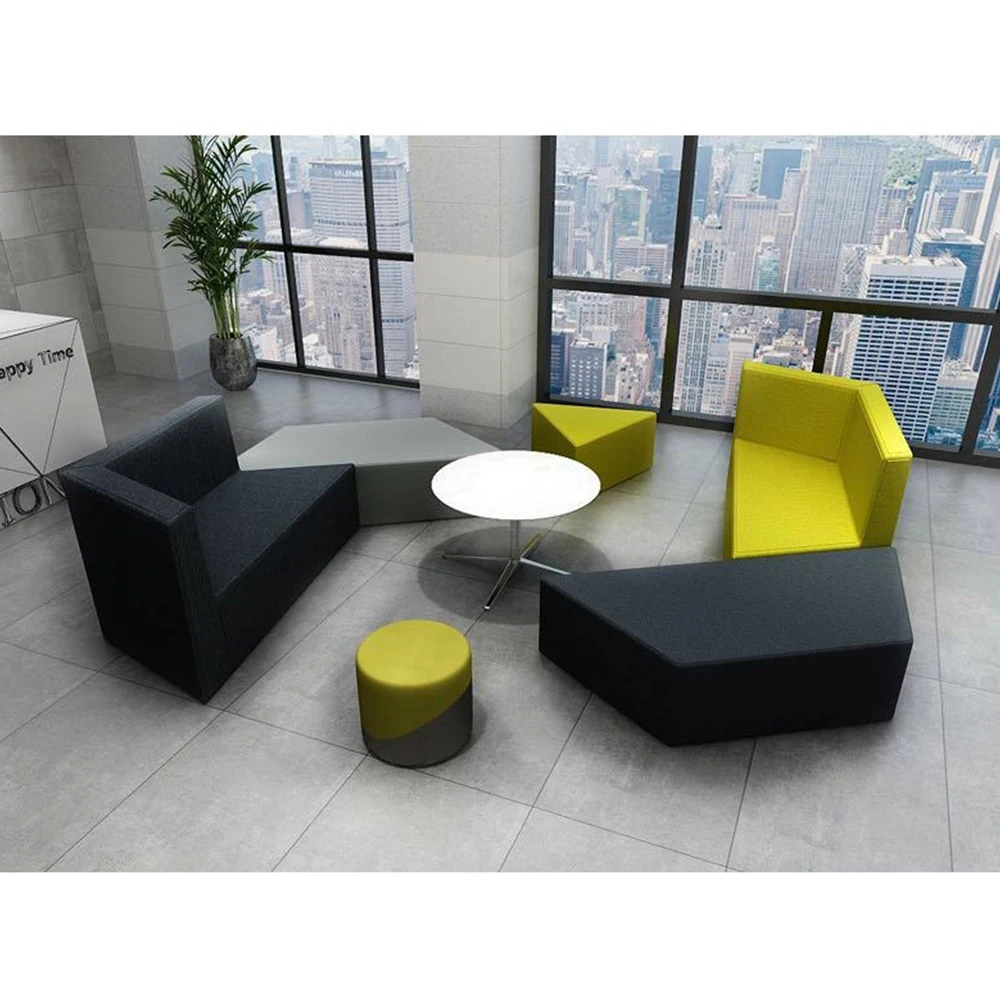
Modular sofas come in a variety of configurations. The most common is the L-shape, which fits corners and defines zones. U-shapes are perfect for large rooms or home theaters, providing ample seating. Linear arrangements work well along walls, while curved modules add a soft, organic feel. Some systems allow you to add or remove sections over time, so think about future needs. For example, a four-seat sofa can later be expanded with a chaise if you move to a bigger space.
Materials and Durability: What to Look For
The frame should be kiln-dried hardwood or plywood for longevity. Suspension systems with sinuous springs or webbing offer good support. Cushions vary: foam is firm and affordable, while down-feather blends are softer but require fluffing. For upholstery, performance fabrics like crypton or microfiber resist stains and wear. Leather develops a patina but needs maintenance. Check the density of foam (higher density = longer life). Removable covers are a bonus for cleaning. Always look for a warranty that covers frame and cushions.
Style and Design: Matching Your Aesthetic
Modular sofas come in countless styles, from mid-century modern with tapered legs to sleek contemporary designs with clean lines. Choose a style that echoes your room’s personality. Color-wise, neutrals like gray, beige, and navy are timeless, while bold hues make a statement. Some modular sofas offer reversible backrests or adjustable headrests for added comfort. Don’t forget the legs: metal legs give an industrial look, while wooden adds warmth. For a cohesive look, coordinate with your existing furniture.
Space Planning with a Modular Sofa
Use your modular sofa to define zones in an open-plan layout. For instance, an L-shape can separate the living area from the dining space. Leave at least 18 inches between the sofa and coffee table for easy movement. In small rooms, opt for a compact two-seater with a chaise that can be moved to the opposite side. Corner configurations maximize seating without blocking walkways. Online room planners or paper cutouts can help visualize the layout before you buy.
Maintenance and Care Tips
Regular vacuuming with an upholstery attachment prevents dust and dirt from settling. Rotate cushions weekly to ensure even wear. For spills, blot immediately with a clean cloth—never rub. Check the manufacturer’s cleaning code: W (water-based cleaner), S (solvent), or W/S. For fabric sofas, consider a fabric protector spray. Leather requires conditioning every 6-12 months. If sections are rearranged often, use felt pads on the feet to protect floors.
Top Features to Look For
Look for modular sofas with hidden storage in ottomans or under-seat compartments—great for stashing blankets. Reversible chaise options offer flexibility. Some models have USB ports or built-in cup holders for convenience. Adjustable headrests and lumbar support enhance comfort. If you have kids or pets, choose removable, machine-washable covers and durable fabrics. Also, check the weight capacity per seat, especially if you entertain heavy guests.
For more on sofa construction standards, see this Wikipedia article on sofas.
Goldoma Modular Break Out Office Sofa
For a reliable, customizable option, consider the Goldoma Modular Break Out Office Sofa, which combines durable materials with flexible configurations.
Frequently asked questions
Can a modular sofa be separated into individual seats?
Yes, most modular sofas are designed as independent sections that can be used separately or combined. This allows you to create multiple seating arrangements or even use pieces in different rooms.
How do I clean a modular sofa with removable covers?
Remove the covers and check the care label. Most can be machine washed on a gentle cycle with cold water and air dried. Avoid bleach and high heat to prevent shrinkage.
What is the best configuration for a small living room?
A two-seat sofa with a chaise lounge (L-shape) works well. Place the chaise on the side that doesn’t block pathways. Alternatively, a loveseat with an ottoman offers flexibility.
Are modular sofas more expensive than traditional sofas?
Modular sofas can vary widely in price. While some high-end models are costly, many affordable options exist. The ability to buy pieces incrementally can also spread out the cost.