
Blog
Best Anti-Aging Face Cream: Expert Guide for Youthful Skin
Skincare Guide
Your Ultimate Anti-Aging Face Cream Buying Guide
Finding the right anti-aging face cream can feel overwhelming, but it doesn’t have to be. This guide will help you navigate ingredients, skin types, and routines so you can make a confident choice.
What Makes an Effective Anti-Aging Face Cream?
An effective anti-aging face cream targets visible signs of aging like fine lines, wrinkles, and loss of firmness. Look for ingredients such as retinoids, vitamin C, peptides, and hyaluronic acid. These compounds work by boosting collagen production, protecting against environmental damage, and hydrating the skin.
Beyond ingredients, consistency matters. A cream that feels good on your skin and fits your daily routine will yield better results than a powerful formula you rarely use. Consider texture: richer creams suit dry skin, while lighter gels work for oily types.
Key Ingredients to Look For
When shopping for an anti-aging face cream, scan the label for these proven components:
- Retinoids (retinol, tretinoin): Stimulate cell turnover and collagen.
- Vitamin C: Antioxidant that brightens and protects.
- Peptides: Signal skin to produce more collagen.
- Hyaluronic Acid: Holds moisture, plumping skin.
- Niacinamide: Improves texture and reduces redness.
For sensitive skin, start with lower concentrations and patch test. Avoid harsh additives like fragrance or alcohol.
How to Choose the Right Formula for Your Skin Type
Your skin type determines which anti-aging face cream will work best. Dry skin benefits from creamy, oil-based formulas with ceramides and shea butter. Oily or acne-prone skin should opt for gel-based, non-comedogenic creams with salicylic acid or niacinamide. Combination skin can use a balanced lotion or apply different products to different zones.
Sensitive skin requires extra care. Look for soothing ingredients like centella asiatica, aloe, and green tea. Avoid retinoids if irritation occurs; consider bakuchiol as a gentler alternative.
Building an Anti-Aging Routine
An anti-aging face cream works best as part of a complete routine. Start with a gentle cleanser, then apply a serum (vitamin C in the morning, retinol at night). Follow with your face cream to lock in moisture. During the day, always finish with sunscreen—SPF 30 or higher—as UV exposure is the primary cause of premature aging.
Consistency is key. Use products as directed, and give them at least 4-6 weeks to show results. Avoid switching products too often.
Common Mistakes to Avoid
Many people sabotage their anti-aging efforts by making these errors:
- Skipping sunscreen: UV damage accelerates aging.
- Over-exfoliating: Weakens the skin barrier.
- Using too many active ingredients: Can cause irritation.
- Expecting overnight results: Patience is essential.
Stick to a simple, consistent routine and adjust based on your skin’s response.
When to Start Using Anti-Aging Cream
Prevention is easier than correction. Start using an anti-aging face cream in your mid-20s to early 30s, when collagen production begins to decline. However, it’s never too late to begin. Even mature skin can benefit from hydrating and firming ingredients.
If you have specific concerns like deep wrinkles or hyperpigmentation, consult a dermatologist for prescription options.
For more science-backed information on skin aging, visit Wikipedia’s page on skin aging.
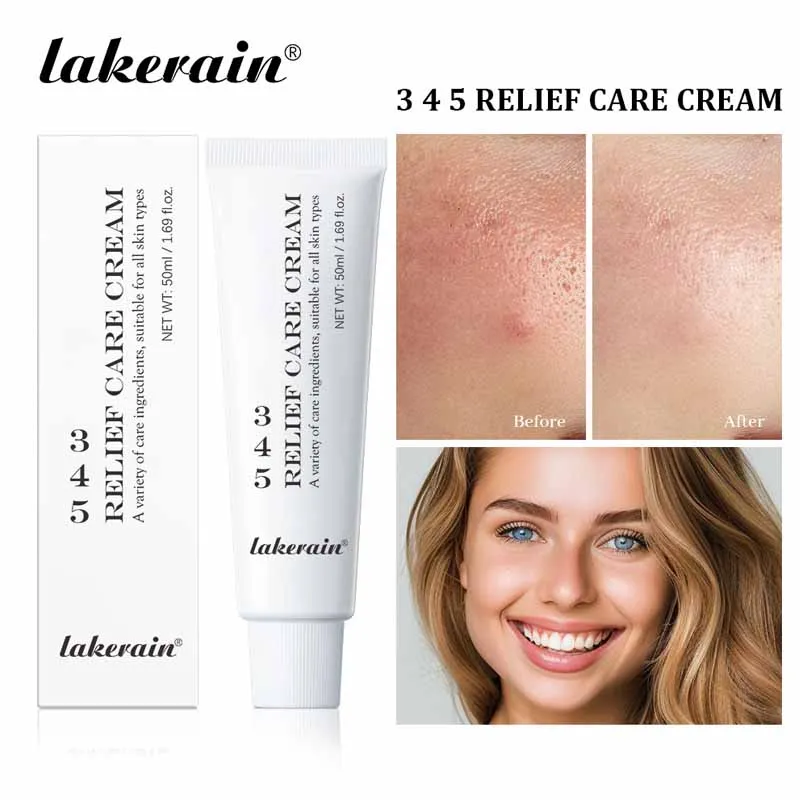
Face Relief Cream Comprehensively Repair Sensitive Skin Anti-sugar and antioxidant Brighten Moisturizer Fade Acne Mark Cream
For a comprehensive option that repairs sensitive skin while fighting signs of aging, consider Face Relief Cream—it combines anti-sugar and antioxidant benefits to brighten and moisturize, even helping fade acne marks.
Frequently asked questions
What is the best anti-aging face cream for sensitive skin?
For sensitive skin, look for a fragrance-free, hypoallergenic anti-aging face cream with soothing ingredients like ceramides, niacinamide, and peptides. Avoid retinoids if they cause irritation; consider bakuchiol instead.
How often should I apply anti-aging face cream?
Most anti-aging face creams are designed for daily use, typically once or twice a day after cleansing. Follow the product instructions. If using retinol, start with 2-3 times a week and increase gradually.
Can I use anti-aging face cream under makeup?
Yes, but allow the cream to absorb fully for a few minutes before applying makeup. Choose a lightweight formula that won’t pill or feel greasy under foundation.
Do anti-aging face creams really work?
Yes, when formulated with proven ingredients like retinoids, vitamin C, and peptides, anti-aging face creams can improve skin texture, reduce fine lines, and boost hydration. Results vary based on consistency and skin type.