
Blog
The Ultimate Guide to Choosing an Oil Control Concealer
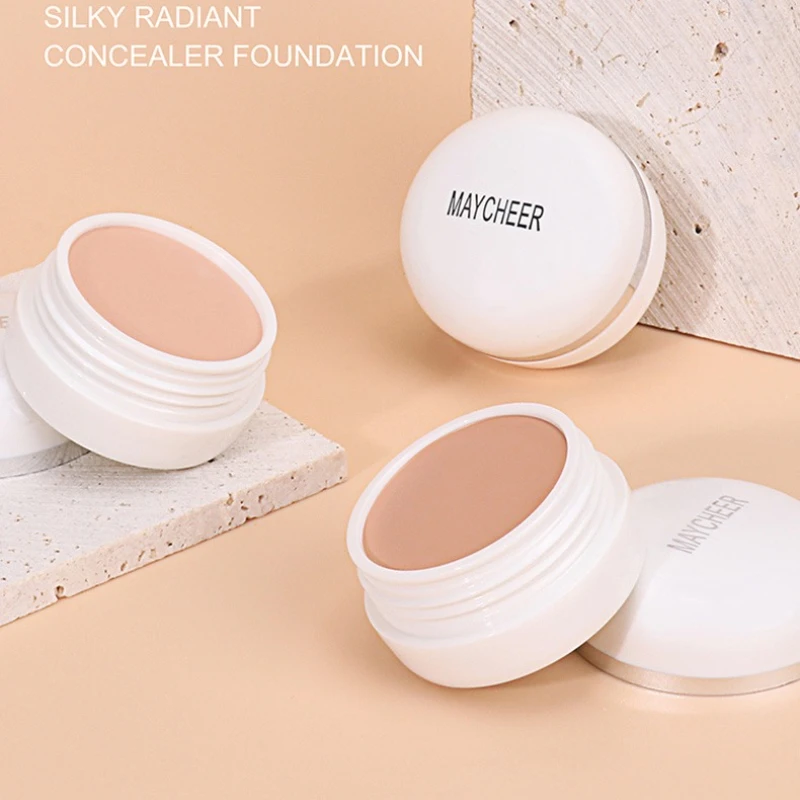
Beauty Guide
Your Go-To Oil Control Concealer Guide
Finding an effective oil control concealer can be a game-changer for anyone with combination or oily skin. The right formula not only hides imperfections but also keeps shine at bay throughout the day.
Why You Need an Oil Control Concealer
If you struggle with shine and breakouts, a regular concealer might slide off or clog pores. An oil control concealer is designed to absorb excess sebum, mattify the skin, and stay put for hours. It’s a multitasker that covers blemishes, dark circles, and redness while controlling oil.
Look for keywords like “oil-free,” “mattifying,” or “long-wear” on the label. Ingredients like silica, kaolin clay, or salicylic acid can help manage oil without drying out your skin.
Key Ingredients in the Best Oil Control Concealers
Not all oil control concealers are created equal. Here are some ingredients to look for:
- Salicylic Acid: Exfoliates pores and reduces breakouts.
- Kaolin Clay: Absorbs oil without stripping moisture.
- Silica: Creates a smooth, matte finish.
- Niacinamide: Calms inflammation and regulates sebum.
Avoid heavy oils or silicones that can exacerbate shine. Check the ingredient list for “dimethicone” or “cyclomethicone” – while they give a silky feel, they can sometimes trap oil.
How to Apply Oil Control Concealer for Best Results
Application technique matters. Start with a mattifying primer, then use a small amount of concealer on areas that need coverage. Dab with a sponge or brush – don’t rub, as that can disturb the oil control properties. Set with a translucent powder to lock in the concealer and absorb any residual oil.
For blemishes, apply concealer directly onto the spot and blend outward. For under-eye circles, use a shade slightly lighter than your skin and pat gently. Remember, less is more with oil control formulas – they are often highly pigmented.
Pro Tips for Long-Lasting Wear
- Prep skin with an oil-free moisturizer.
- Use a setting spray designed for oily skin.
- Blot excess oil with a tissue before reapplying.
Common Mistakes to Avoid with Oil Control Concealer
Even the best oil control concealer can fail if you make these errors:
- Skipping primer: Primer creates a barrier that helps concealer adhere.
- Using too much product: Heavy layers can cake and crease.
- Not blending properly: Harsh lines draw attention to imperfections.
- Choosing the wrong shade: Too light or too dark will look unnatural.
Take time to test shades on your jawline in natural light. Also, consider your skin type – if you have dry patches, an oil control concealer might emphasize them, so moisturize well.
Oil Control Concealer vs. Regular Concealer: What’s the Difference?
Regular concealers are often hydrating and dewy, which can cause shine on oily skin. An oil control concealer is formulated with mattifying agents and is typically free of oils. It also tends to be more long-wearing and resistant to humidity.
However, if you have combination skin, you might need both: a hydrating concealer for dry areas and an oil control formula for the T-zone. For more on skin types, see this Wikipedia article on human skin.
Who Should Use an Oil Control Concealer?
This product is ideal for those with oily or acne-prone skin, especially in humid climates. It’s also great for people who wear makeup for long hours and need it to stay matte. If you have dry skin, you can still use it on specific areas like the nose or chin where you get shiny.
Teens and adults dealing with breakouts often find oil control concealers helpful because they cover blemishes without adding more oil. Always patch test first to ensure it doesn’t irritate your skin.
Our Top Pick for an Oil Control Concealer
After testing numerous formulas, we recommend the Pro Perfect Flawless Face Concealer Moisturizer Oil-control Scars Freckles Black Eye Concealer SPF30 Natural Makeup Primer #. It combines oil control with moisturizing ingredients and SPF protection, making it a versatile choice for daily wear.
Remember, no single product works for everyone. Consider your skin’s unique needs and don’t be afraid to try samples before committing.
Pro Perfect Flawless Face Concealer Moisturizer Oil-control Scars Freckles Black Eye Concealer SPF30 Natural Makeup Primer #
For a reliable everyday option, consider the Pro Perfect Flawless Face Concealer Moisturizer Oil-control Scars Freckles Black Eye Concealer SPF30 Natural Makeup Primer #, which balances coverage with oil control.
Frequently asked questions
Can oil control concealer be used on dry skin?
Yes, but you should moisturize well first. Apply the concealer only to areas that get oily, like the T-zone, and use a hydrating concealer for dry spots.
How do I remove oil control concealer without irritating my skin?
Use an oil-based makeup remover or micellar water, followed by a gentle cleanser. Avoid harsh scrubbing.
Will oil control concealer clog my pores?
Look for non-comedogenic formulas. Many oil control concealers are designed to be pore-friendly, but always check the label if you’re prone to breakouts.
How often should I replace my oil control concealer?
Typically every 6-12 months. If the texture changes or it starts to smell off, toss it. Also, avoid sharing to prevent bacterial contamination.