
Blog
How to Choose the Perfect Bathroom Vanity Cabinet
Buying Guide
Your Complete Guide to a Bathroom Vanity Cabinet
Choosing a bathroom vanity cabinet can transform your morning routine and the overall look of your space. This guide walks you through the key factors to ensure you pick the perfect fit for your needs.
Why the Right Bathroom Vanity Cabinet Matters
A bathroom vanity cabinet is more than just a place to store toiletries—it’s the centerpiece of your bathroom. The right choice balances aesthetics, functionality, and durability. Think about how you use your bathroom daily: Do you need extra counter space for makeup? More drawers for small items? A cabinet that hides clutter? Answering these questions will guide your decision.
Key Factors to Consider
Size and Layout
Measure your bathroom carefully. A standard vanity depth is 21 inches, but you can find slimmer options for tight spaces. Allow at least 15 inches of clearance in front for comfortable use. Consider the door swing—will it hit the toilet or tub? For double sinks, a 60-inch width is common, but 48-inch vanities work well for single sinks.
Material and Construction
Solid wood (like oak or maple) offers longevity, while plywood is moisture-resistant and budget-friendly. MDF can swell with humidity, so look for waterproof seals. Learn more about cabinetry materials on Wikipedia. Countertops: quartz and granite are durable; marble requires more care. The finish should resist water and stains.
Storage Solutions: Drawers vs. Shelves
Drawers are excellent for organizing small items like makeup and razors, while shelves accommodate larger bottles. A mix of both is ideal. Look for soft-close hinges and full-extension drawers—they prevent slamming and provide easy access to the back. Some vanities include built-in outlets or USB ports, which add convenience.
Style and Design Trends
From modern floating vanities to classic Shaker styles, your bathroom vanity cabinet sets the tone. Floating designs create a spacious feel and are easier to clean under. Vessel sinks sit on top for a bold look, while undermount sinks offer a seamless countertop. Color trends lean toward navy, forest green, and warm wood tones, but white remains timeless.
Installation and Plumbing Considerations
Check if the vanity accommodates your plumbing configuration. Wall-mounted vanities require reinforced walls, while freestanding ones are simpler to install. Ensure the cutout for the sink matches your chosen basin. If you’re not handy, professional installation is worth the cost—especially for complex setups like double sinks or custom plumbing.
Budgeting for Your Vanity
Prices vary widely: basic models start around $200, while custom designs can exceed $2,000. Factor in the cost of the countertop, sink, faucet, and installation. A mid-range bathroom vanity cabinet often offers the best balance of quality and price. Don’t forget to account for shipping and potential restocking fees if you order online.
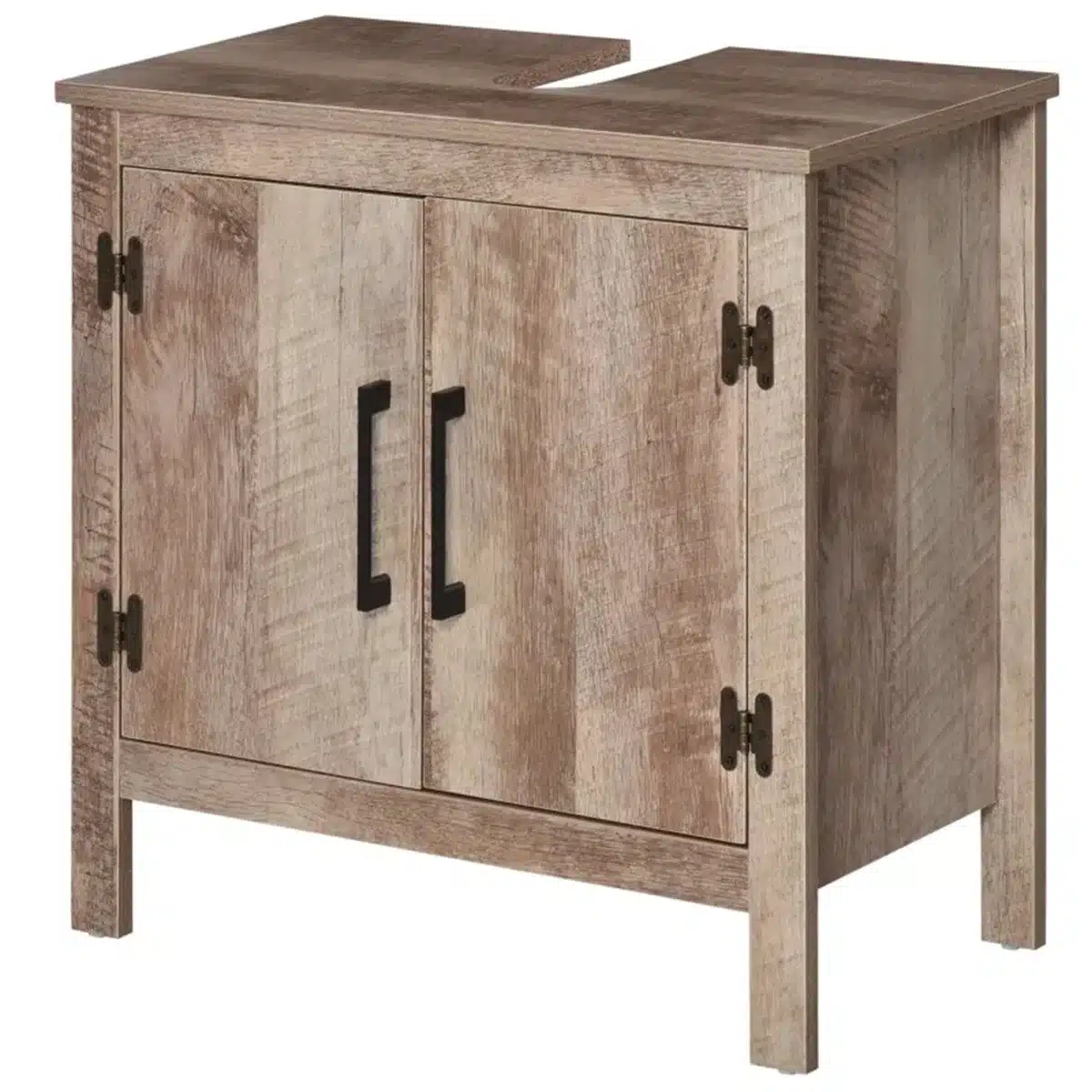
Bathroom Vanity Cabinet with Double Door
For a reliable option, consider our Bathroom Vanity Cabinet with Double Door, which combines sturdy construction with ample storage.
Frequently asked questions
What is the standard height of a bathroom vanity cabinet?
Standard height is 30 to 36 inches, with 34 inches being common for comfort. Taller vanities (36 inches) are popular for taller users, while shorter ones (30 inches) suit bathrooms with low windows or for children.
How do I choose between a single and double sink vanity?
A single sink vanity works for small bathrooms or solo users. Double sinks are ideal for shared bathrooms and couples, requiring at least 60 inches of width. Consider your daily routine and available space.
What is the best material for a bathroom vanity cabinet?
Solid wood (teak, oak, maple) is durable and moisture-resistant. Plywood is a good mid-range option. Avoid particleboard or MDF in high-humidity areas unless sealed properly. Waterproof finishes extend lifespan.
How do I measure for a bathroom vanity cabinet?
Measure the width, depth, and height of the space. Account for door swings, toe kicks, and plumbing. Leave at least 2 inches of clearance on each side for easy installation. Mark the location of water and drain lines.