
Blog
Brass Pendant Light Buying Guide: Style & Function
Lighting Guide
Find Your Perfect Brass Pendant Light
A brass pendant light can transform any room, adding warmth and character. But with so many options, how do you choose the right one?
Why Choose a Brass Pendant Light?
Brass pendant lights are more than just fixtures; they are statements. Their warm, golden tones bring a touch of elegance to both modern and traditional interiors. Unlike other metals, brass develops a beautiful patina over time, giving your lighting a unique, lived-in feel.
Moreover, brass is incredibly versatile. It pairs well with wood, marble, concrete, and even velvet. Whether you’re going for an industrial loft look or a cozy farmhouse vibe, a brass pendant can anchor your design. Its reflective surface also helps bounce light around the room, making spaces feel larger and more inviting.
Key Styles of Brass Pendants
From sleek and minimal to ornate and vintage, brass pendants come in many shapes. Here are some popular styles to consider:
- Mid-Century Modern: Clean lines, often with a conical or globe shade.
- Industrial: Exposed bulbs and cage designs, perfect for a raw, edgy look.
- Art Deco: Geometric patterns and layered details for a touch of glamour.
- Farmhouse: Simple, often with a lantern or barn light shape.
Think about your existing décor. A brass pendant light can either blend in or stand out as a focal point. For a cohesive look, match the brass finish to other hardware in the room, like faucets or cabinet handles.
Sizing and Proportion: Getting It Right
Size matters when it comes to pendant lighting. A fixture that’s too small gets lost, while one that’s too large can overwhelm the space. As a rule of thumb, add the room’s length and width (in feet) to get the ideal diameter in inches. For example, a 12×12 room would suit a 24-inch pendant.
When hanging over a dining table, the pendant should be about 30-36 inches above the tabletop. For kitchen islands, aim for 32-40 inches. Make sure to consider the scale of the room and the furniture. A large pendant can make a bold statement in a high-ceilinged hallway, while a small cluster might be better for a cozy corner.
Lighting Quality and Bulb Choice
The bulb you choose dramatically affects the ambiance. Warm white bulbs (2700K-3000K) create a cozy, inviting glow, while cool white (4000K+) is more energizing and task-oriented. Consider a dimmer switch to adjust the mood easily.
LED bulbs are energy-efficient and long-lasting. They come in various color temperatures and are available in dimmable versions. When using a brass pendant with an open design, consider Edison bulbs for a vintage touch—they emit a warm, amber light that enhances the brass’s glow.
Understanding Lumens and Watts
Lumens measure brightness, while watts measure energy use. For a living space, you might want around 400-800 lumens per fixture, depending on the room’s size and other light sources. Check the bulb’s specifications to ensure it provides the right amount of light.
Installation Tips and Safety
Installing a pendant light is a straightforward DIY project if you’re comfortable with electrical work. Always turn off the power at the circuit breaker before starting. Use a voltage tester to ensure no current is flowing.
If you’re not experienced, hire a licensed electrician. Proper installation is crucial for safety and to ensure the fixture is securely mounted. Also, consider the weight of the pendant—some require extra support if the ceiling box isn’t sturdy enough.
Adjusting the Height
Most brass pendants come with adjustable cords or chains. Before installing, decide on the desired height. For vaulted ceilings, you might want to hang them lower to create intimacy. In rooms with standard 8-foot ceilings, keep the bottom of the pendant at least 7 feet above the floor to avoid head bumps.
Maintenance and Care
Brass is relatively low-maintenance. To keep its shine, dust regularly with a soft, dry cloth. Avoid harsh chemicals that can strip the finish. For tarnished brass, use a mixture of lemon juice and baking soda to gently polish, then rinse and dry thoroughly.
If you prefer the aged look, let the patina develop naturally. Over time, brass will darken and take on a richer tone, which many find appealing. To prevent water spots, avoid touching the fixture with wet hands.
Where to Place Brass Pendants for Maximum Impact
Brass pendants are perfect for entryways, above kitchen islands, bedside tables, and reading nooks. They also work beautifully in bathrooms, as long as they’re rated for damp locations.
In open-plan spaces, use multiple pendants in a row over a long counter or table. For a dramatic effect, cluster them at different heights in a stairwell or two-story foyer. The warm glow of brass can make any area feel more welcoming.
For more on lighting design principles, see this overview.
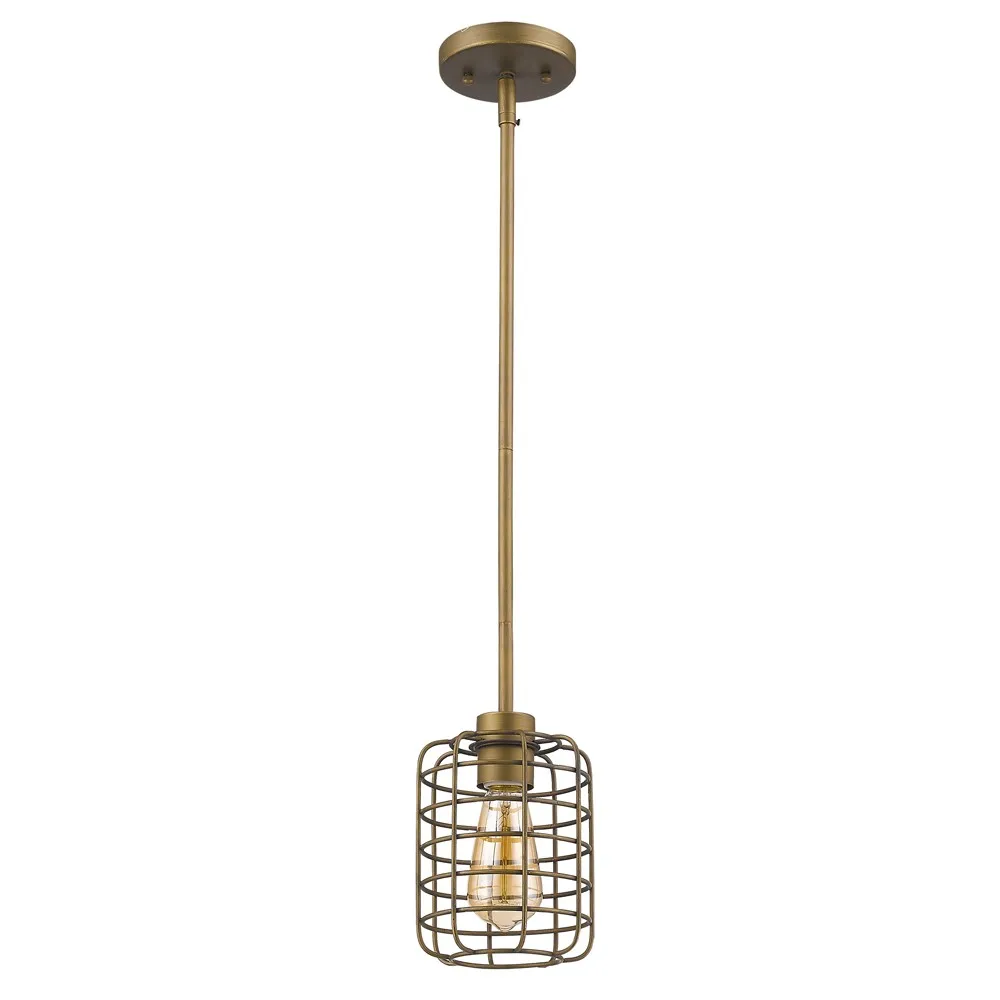
Modern Simple Brass Hanging Light Brushed Gold Metal Cage Warm White for Room Restaurant Home Villa Indoor Hotel Use
For a versatile and durable option, consider the Modern Simple Brass Hanging Light, which features a brushed gold metal cage and warm white glow, suitable for various settings.
Frequently asked questions
How do I clean a brass pendant light?
Dust regularly with a soft cloth. For tarnish, use a mixture of lemon juice and baking soda, apply gently, rinse, and dry thoroughly. Avoid abrasive cleaners.
Can I use a brass pendant light in a bathroom?
Yes, if it’s rated for damp locations. Check the IP rating or manufacturer’s instructions. Always ensure proper ventilation to avoid corrosion.
What bulb color temperature is best for a brass pendant?
Warm white (2700K-3000K) is recommended for a cozy, inviting glow that complements the brass’s golden tones. Dimmable LEDs offer flexibility.
How high should a brass pendant light hang above a dining table?
Typically 30-36 inches from the tabletop to the bottom of the fixture. Adjust based on your ceiling height and personal preference.
