
Blog
Walnut Pendant Light: A Buyer’s Guide
Buying Guide
Walnut Pendant Light: Warmth & Style
A walnut pendant light brings natural warmth and timeless appeal to any room, but choosing the right one requires consideration. This guide will help you navigate the options and find a piece you’ll love for years.
Why Choose a Walnut Pendant Light?
Walnut is a hardwood prized for its rich, chocolate-brown color and striking grain patterns. Unlike lighter woods, walnut adds a sense of depth and coziness to interiors. A walnut pendant light serves as both a functional light source and a sculptural element, anchoring a dining table or illuminating a kitchen island with understated elegance. Its natural tones complement a range of design styles, from industrial to Scandinavian, making it a versatile choice for modern homes.
Understanding Wood Quality and Finish
Not all walnut is created equal. Look for solid wood construction rather than veneers, as solid pieces age beautifully and can be refinished. Pay attention to the finish: a matte or low-gloss finish showcases the wood’s texture, while a high-gloss finish offers a more polished look. Some pendants feature a natural oil finish that enhances the grain, while others use a lacquer for added durability. Consider how the finish will interact with your existing decor—do you prefer a rustic feel or something more refined?
Grading and Sourcing
Walnut is often graded by appearance, with higher grades having fewer knots and more consistent color. Sustainably sourced walnut is an ethical choice; look for certifications like FSC (Forest Stewardship Council) when possible. A well-crafted walnut pendant light is an investment, so understanding these nuances ensures you get a piece that will last.
Sizing and Proportion: Getting It Right
The size of your pendant light should be proportional to the space it illuminates. As a general rule, for a dining table, the fixture’s diameter should be about one-half to two-thirds the width of the table. For a kitchen island, multiple smaller pendants are often used, spaced evenly. Ceiling height also matters: hang the bottom of the fixture about 30 to 36 inches above a tabletop, or higher for vaulted ceilings. A walnut pendant light that is too small gets lost, while one that is too large overwhelms the room.
Measuring Your Space
Before shopping, measure the length and width of your table or island, ceiling height, and note any obstructions. Visualize the light’s footprint: if you have a 72-inch table, a 36-inch wide pendant would be ideal. For taller ceilings, you may need to adjust hanging height or consider a longer cord.
Style Variations: From Industrial to Modern
Walnut pendant lights come in many styles. Industrial designs often feature metal accents like black steel or brass, combined with the natural wood for a rugged look. Farmhouse styles might incorporate rustic elements like visible screws and a distressed finish. Modern designs are sleek and minimalist, with clean lines and a focus on the wood’s natural beauty. Consider the overall aesthetic of your home: do you prefer a cohesive look or a contrast? A walnut pendant light can either blend in with other wood tones or stand out as a statement piece.
Mixing Materials
Don’t be afraid to mix materials. Walnut pairs beautifully with glass shades (clear or seeded), fabric shades, or even exposed bulbs for an industrial touch. The combination of wood and metal is particularly popular in transitional spaces. Think about how the light will look when turned on: the shade material affects the quality and color of light.
Lighting Needs: Brightness and Bulb Compatibility
Consider the function of the room. For task lighting (like reading nooks or kitchen prep areas), you’ll want brighter, more focused light. For ambient lighting (like living rooms or bedrooms), softer, diffused light is preferable. Check the maximum wattage and bulb type each fixture supports. Many walnut pendants are compatible with LED bulbs, which are energy-efficient and last longer. Some fixtures are ‘no bulbs included’, meaning you can choose the bulbs that suit your needs—this is actually a benefit as it gives you flexibility.
Color Temperature
Bulb color temperature affects the mood: warm white (2700K-3000K) enhances the warm tones of walnut, while cool white (4000K+) can make the wood look dull. Aim for warm or soft white bulbs to complement the wood’s natural warmth.
Installation and Maintenance
Installing a pendant light can be a DIY project if you have basic electrical knowledge, but hiring a licensed electrician is safer, especially for heavier fixtures. Always turn off the power at the circuit breaker before installation. Most pendants come with mounting hardware and instructions. For maintenance, dust the wood regularly with a soft, dry cloth. Avoid harsh chemicals that can strip the finish. Periodically check that the fixture is secure and that bulbs are functioning properly.
Caring for Walnut
Walnut is relatively durable but can be sensitive to moisture and direct sunlight. Use coasters under glasses, and place the light away from windows with intense sun to prevent fading. If the finish becomes dull, you can apply a furniture polish designed for wood, but test in an inconspicuous area first.
Where to Place a Walnut Pendant Light
Walnut pendant lights are incredibly versatile. They are a classic choice over dining tables and kitchen islands, where they become a focal point. They also work well in entryways, stairwells, or above a reading chair. In a bedroom, a pair of small walnut pendants can serve as bedside lighting, freeing up nightstand space. For a dramatic effect, hang a large walnut pendant in a two-story foyer. The key is to align the placement with your lighting needs and the visual flow of the room.
When choosing a location, consider the sightlines: the light should not obstruct views or doorways. Also, think about how the light will appear from other rooms—a beautiful walnut pendant can be a design element that ties spaces together.
Budgeting and Value
Walnut pendant lights range in price from affordable to high-end. Your budget will influence the size, brand, and complexity of the design. Remember that a well-made walnut light is a long-term investment; it can outlast trends and remain a cherished part of your home. When comparing options, look at the quality of the wood, the craftsmanship of the joinery, and the reputation of the manufacturer. Sometimes, spending a bit more upfront saves you from replacement costs later.
For more on wood types and their uses, see this Wikipedia article on walnut.
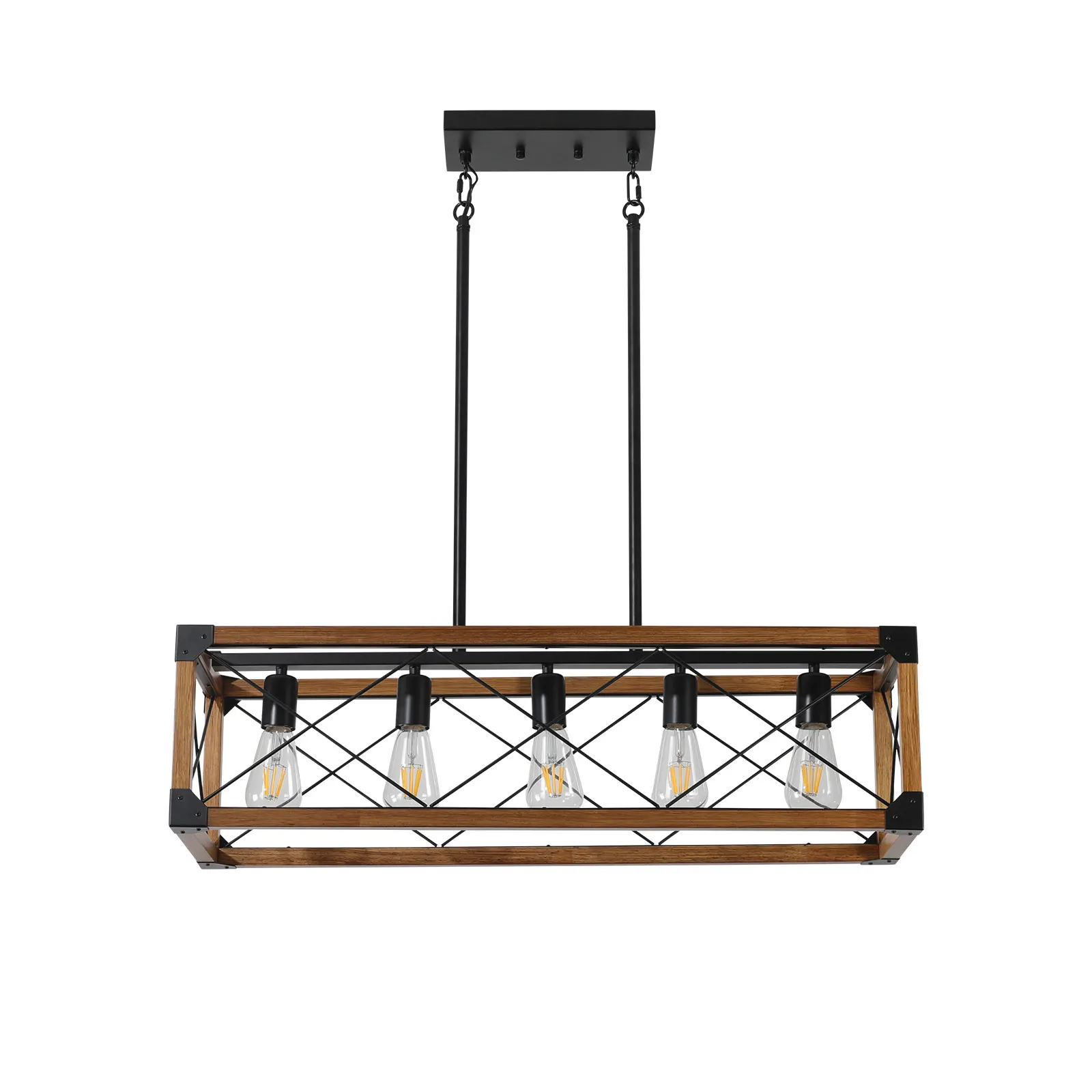
32″ Walnut Industrial Farmhouse Rectangle Pendant Light, 5-Light Chandelier (No Bulbs)
For a beautifully crafted option that embodies these principles, consider the 32″ Walnut Industrial Farmhouse Rectangle Pendant Light, 5-Light Chandelier (No Bulbs) from Goldoma.
Frequently asked questions
What is the ideal hanging height for a walnut pendant light?
For a dining table, hang the bottom of the pendant about 30 to 36 inches above the tabletop. For a kitchen island, 32 to 40 inches is typical. Adjust based on your ceiling height and personal preference, ensuring the light is not in your line of sight when seated.
Can a walnut pendant light be used in a bathroom or humid area?
Yes, but ensure the fixture is rated for damp locations. Walnut is sensitive to moisture, so it’s crucial to choose a light with a protective finish and proper ventilation. Always check the manufacturer’s specifications.
What type of bulbs should I use with a walnut pendant light?
LED bulbs are recommended for energy efficiency and longevity. Choose a warm white bulb (2700K-3000K) to enhance the natural warmth of the walnut. Ensure the bulb shape and wattage are compatible with the fixture’s socket and rating.
How do I clean and maintain a walnut pendant light?
Dust regularly with a soft, dry cloth. For smudges, use a slightly damp cloth and dry immediately. Avoid abrasive cleaners. Periodically, you can apply a wood polish designed for finished wood, but test in an inconspicuous area first. Keep it away from excessive sunlight to prevent fading.
