
Blog
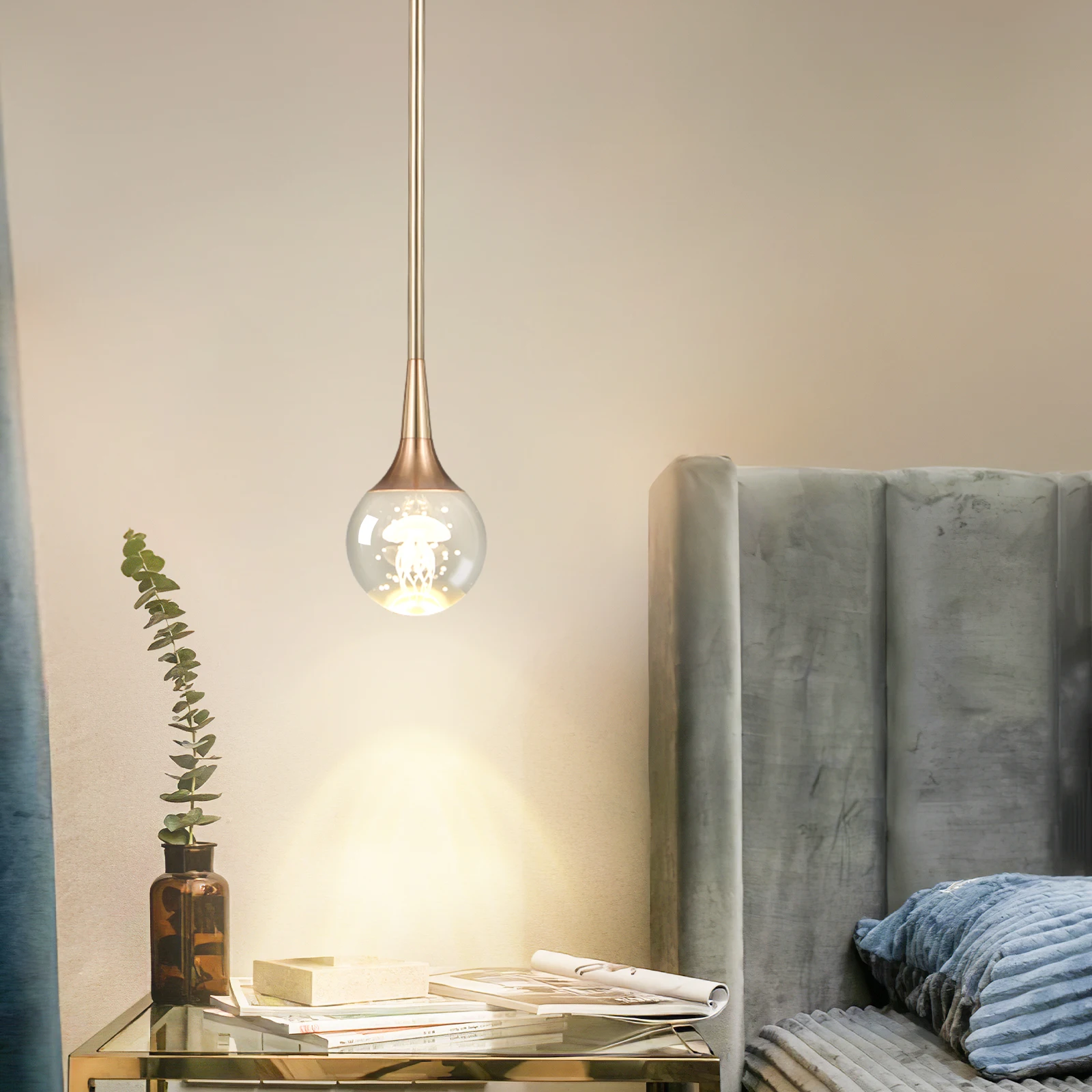
Jellyfish Pendant Light: A Dreamy Glow for Any Room
Lighting Guide
Jellyfish Pendant Light: Ethereal Illumination for Modern Homes
The jellyfish pendant light has become a favorite among design enthusiasts, and for good reason—its organic, flowing form brings a touch of the ocean’s magic indoors. Whether you’re looking to create a calming focal point or simply add a unique layer of light, these fixtures offer something truly special.
Why the Jellyfish Pendant Light Captivates
There’s something almost hypnotic about a jellyfish pendant light. Its translucent, bell-shaped shade seems to float in mid-air, casting a soft, diffused glow that transforms a room. Unlike standard pendant lamps, the jellyfish design plays with light and shadow in unexpected ways, creating a living, breathing atmosphere. It’s no wonder these fixtures have become a staple in contemporary interiors, from cozy reading nooks to chic restaurant spaces.
The appeal goes beyond looks. The design often incorporates flexible tentacles or a wavy rim that catches light from different angles, making the lamp feel dynamic even when still. For those who love nature-inspired decor, it’s a subtle nod to the ocean’s grace without being kitschy. But before you dive in, it’s important to understand the different styles and what to look for to ensure you pick the right one for your space.
Understanding Jellyfish Pendant Light Designs
Jellyfish pendant lights come in a variety of shapes, sizes, and materials, each offering a distinct personality. The most common design features a dome or bell-shaped shade with a wavy or rippled edge, reminiscent of a jellyfish’s bell. Some have long, dangling strands that mimic tentacles, while others keep it simple with a clean, minimal silhouette.
Material Matters
The choice of material affects both the look and the light quality. Acrylic shades are popular for their lightweight and durability, offering a clear or frosted finish that diffuses light evenly. Glass shades provide a more premium feel and can create beautiful refractions, but they are heavier and more fragile. Metal frames, often in brass or black, add a touch of sophistication and help define the lamp’s shape.
- Acrylic: Lightweight, shatter-resistant, and budget-friendly. Ideal for casual spaces.
- Glass: Elegant and crystal-clear, but requires careful handling and installation.
- Metal: Provides structure and a modern edge, often used in combination with other materials.
Color and Finish
While classic white and clear shades are versatile, you’ll also find jellyfish lights in pastel hues, smoky tones, or even iridescent finishes that shift color with the light. The finish on the metal parts—whether polished chrome, matte black, or antique brass—can dramatically change the overall vibe. Consider the existing color palette of your room and choose a finish that complements it.
How to Choose the Right Size and Scale
Size is crucial when selecting a jellyfish pendant light. A lamp that’s too large can overwhelm a small room, while one that’s too small might get lost in a spacious area. As a rule of thumb, measure the width of your room in feet and convert that number to inches to get an approximate diameter for the pendant. For example, a 10-foot-wide room would suit a pendant around 10 inches in diameter.
Also, consider the height of your ceiling. For standard 8-foot ceilings, hang the bottom of the fixture about 30 to 36 inches above a table or counter. For higher ceilings, you can hang it higher, but make sure it doesn’t feel disconnected from the space below. If you’re placing multiple jellyfish pendants in a row, space them about 24 to 30 inches apart to maintain a balanced look.
Placement Ideas: Where to Hang Your Jellyfish Pendant Light
One of the best things about a jellyfish pendant light is its versatility. Here are some popular spots:
- Kitchen Island: A single pendant or a cluster of three can serve as a striking focal point while providing task lighting for meal prep.
- Dining Area: Hang it low over the table to create an intimate, warm ambiance for dinner parties.
- Bedroom: Place one on each side of the bed as an alternative to table lamps, adding a soft, dreamy glow.
- Entryway: Make a memorable first impression with a statement jellyfish pendant that welcomes guests.
- Reading Nook: A small pendant can define a cozy corner without taking up floor space.
When placing your light, think about the visual weight. A jellyfish pendant light often has a light, airy appearance, so it works well in rooms with minimal decor. In more eclectic spaces, it can add an unexpected touch of whimsy.
Lighting Effects and Bulb Selection
The type of bulb you choose significantly affects the mood. LED bulbs are energy-efficient and come in various color temperatures. A warm white (2700K-3000K) creates a cozy, inviting atmosphere, while a cool white (4000K-5000K) is better for task-oriented areas like a kitchen. Dimmable bulbs offer even more flexibility, allowing you to adjust the brightness to suit different occasions.
Many jellyfish pendants are designed to work with standard E26 or E27 bulbs, but some use smaller bases like E12 or GU10. Always check the maximum wattage and bulb type recommended by the manufacturer. If the shade is made of acrylic or glass, consider using LED bulbs that emit less heat to prevent any potential damage.
Installation Tips and Safety
Installing a pendant light can be a straightforward DIY project if you have basic electrical knowledge. However, if you’re not comfortable working with wiring, it’s best to hire a licensed electrician. Here are a few tips:
- Turn off the power at the circuit breaker before starting.
- Use a voltage tester to ensure the wires are not live.
- Follow the manufacturer’s instructions for mounting the canopy and connecting wires.
- Ensure the fixture is securely attached and properly grounded.
Also, consider the weight of the fixture. If it’s particularly heavy, you may need to install a ceiling support brace. Always use a ceiling box that is rated for the weight of the light.
Caring for Your Jellyfish Pendant Light
To keep your jellyfish pendant light looking its best, regular cleaning is essential. Dust can accumulate on the shade and reduce the light output. Use a soft, dry microfiber cloth to gently wipe the shade and metal parts. For acrylic shades, you can use a mild soap and water solution, but avoid harsh chemicals that could damage the finish. Glass shades may require a glass cleaner, but make sure to dry them thoroughly to prevent streaks.
Periodically check the connections and tighten any loose screws. If you notice any flickering, it could be a sign of a loose bulb or a wiring issue—address it promptly to avoid safety hazards.
Where to Find Inspiration
If you’re still unsure about incorporating a jellyfish pendant light into your home, browsing interior design blogs, Pinterest, or even visiting showrooms can spark ideas. You can also look at how lighting designers use these fixtures in commercial spaces like restaurants and hotels for inspiration. Remember, the goal is to create a space that feels uniquely yours.
For a deeper dive into the principles of ambient lighting, you might find this Wikipedia article on lighting design helpful. It explains the science and art behind creating effective lighting schemes.
5W Mini LED Jellyfish Pendant Light, Adjustable Metal Lamp with Acrylic Shade, Warm Glow for Kitchen Island
For a reliable and beautiful choice, consider the 5W Mini LED Jellyfish Pendant Light—an adjustable metal lamp with an acrylic shade that casts a warm, inviting glow, perfect for a kitchen island or cozy corner.
Frequently asked questions
What is a jellyfish pendant light?
A jellyfish pendant light is a ceiling-hung fixture designed to resemble a jellyfish, typically featuring a bell-shaped or dome-like shade with wavy edges, and sometimes accompanied by hanging strands or tentacles. It creates a soft, diffused glow that adds a whimsical and elegant touch to a room.
How do I clean a jellyfish pendant light?
To clean, first ensure the light is turned off and cool. Gently wipe the shade with a soft, dry cloth to remove dust. For acrylic or glass shades, use a damp cloth with mild soap, then dry thoroughly. Avoid abrasive cleaners that could scratch the surface.
Can I install a jellyfish pendant light on a sloped ceiling?
Yes, many pendant lights are adaptable to sloped ceilings, but you may need additional mounting hardware, such as a sloped ceiling adapter. Check the manufacturer’s specifications or consult a professional electrician to ensure safe installation.
What bulb type does a jellyfish pendant light use?
It varies by model. Common types include E26/E27 (standard medium base), E12 (candelabra), or GU10. Always refer to the product specifications for the recommended bulb type and maximum wattage to ensure safety and optimal lighting.
